Muddy Waters: Biography, Albums and Best Songs
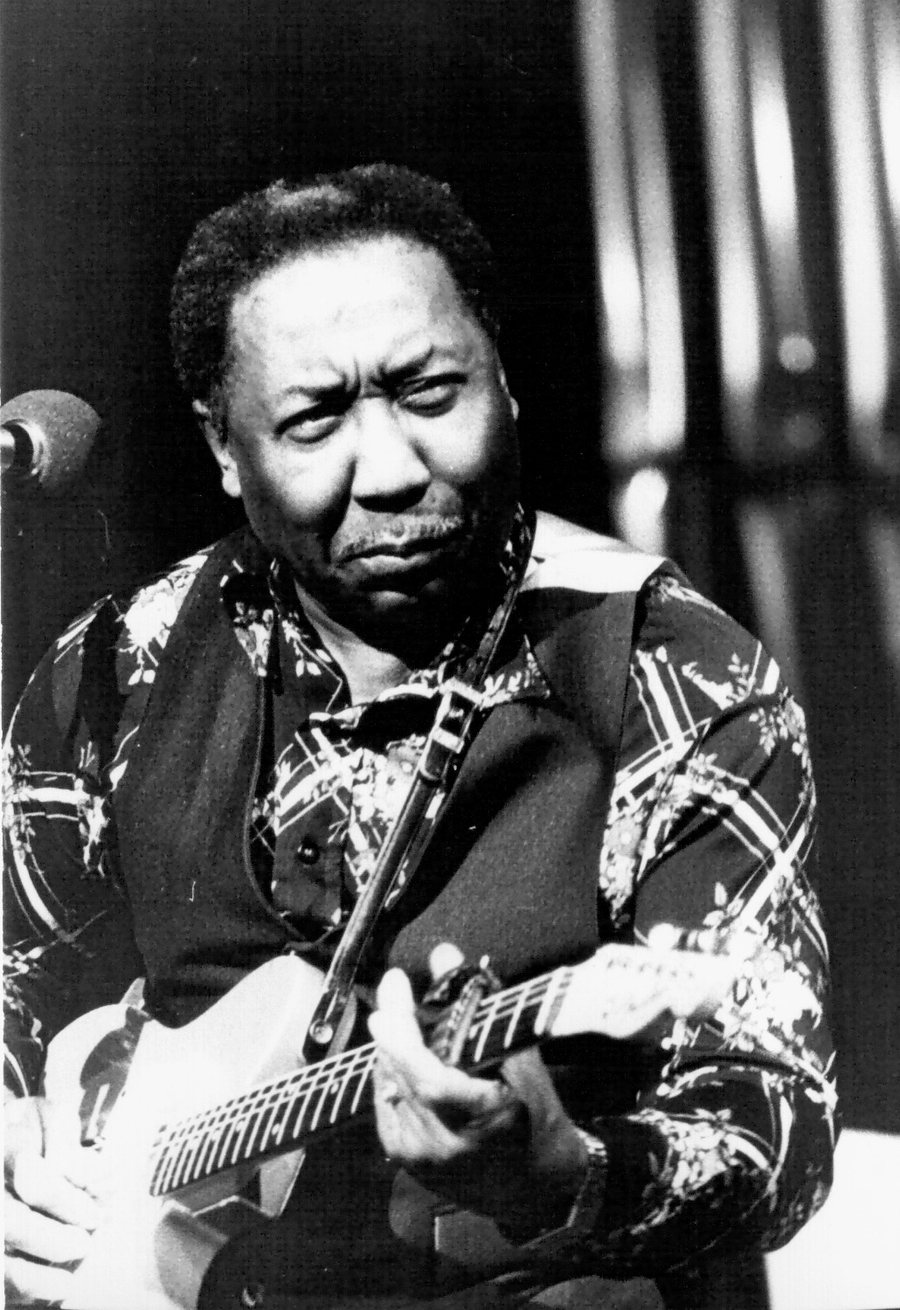
Muddy Waters was an American blues singer, songwriter and guitarist who became one of the most important figures of the post-war blues scene. Born on a Mississippi plantation, he moved to Chicago in 1943 and is often called the father of modern Chicago blues.
Listen to Muddy Waters now
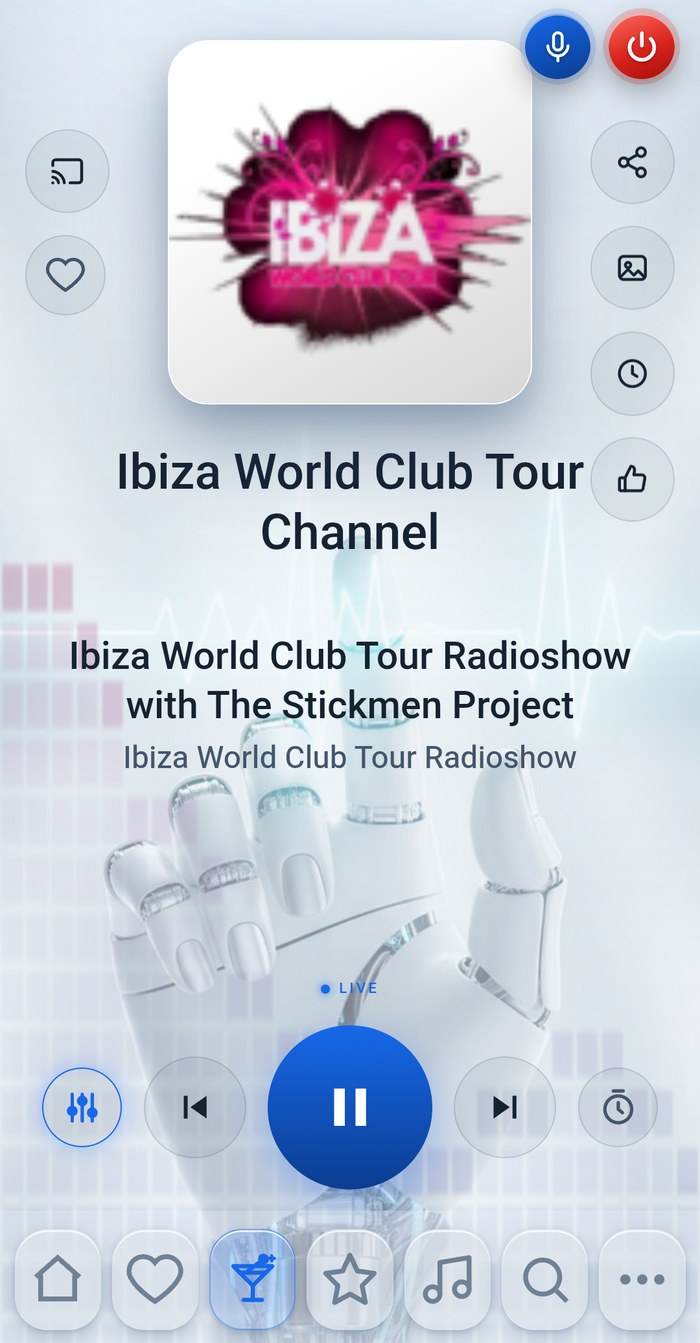
Kalisha has a dedicated Muddy Waters station called Exclusively Muddy Waters: one continuous channel with his music, free to start, with nothing to install. It is one of the 312 exclusive single-artist channels in the app.
The short version
Muddy Waters grew up on Stovall Plantation near Clarksdale, Mississippi, and learned to play guitar and harmonica by copying local blues artists. In 1943 he moved to Chicago to become a full-time professional musician, and in the early 1950s his band recorded blues classics for Chess Records.
His songs laid the foundation for later American music, from rock and roll to British blues. He died in 1983, but his electric Chicago sound remains one of the most influential in the history of blues.
The story in 4 chapters
Mississippi and the first recordings
McKinley Morganfield, better known as Muddy Waters, was born in 1913 and grew up on Stovall Plantation near Clarksdale, Mississippi. By the age of seventeen he was playing guitar and harmonica, copying the blues artists Son House and Robert Johnson.
In 1941 Alan Lomax and John W. Work III recorded him for the Library of Congress in Mississippi, one of the most important early recordings of the Delta blues.
Chicago, Chess Records and the classics
In 1943 he moved to Chicago to become a full-time professional musician. In 1946 he recorded for Columbia and then for Aristocrat Records, the label run by the Chess brothers.
In the early 1950s his band recorded blues classics with the bassist and songwriter Willie Dixon, including “Hoochie Coochie Man”, “I Just Want to Make Love to You” and “I’m Ready”.
England, Newport and the rock generation
In 1958 he travelled to England, which helped lay the foundations of the revival of interest in the blues there. His 1960 performance at the Newport Jazz Festival was released as the live album At Newport 1960.
In the 1960s and 1970s his music influenced a new generation of British and American rock musicians, and Electric Mud (1968) and Fathers and Sons (1969) showed his experimental side.
Late albums and the last years
Hard Again (1977) was a major comeback album, produced with Johnny Winter, and it won a Grammy Award.
Waters continued to tour and record until his death on 30 April 1983, and he is buried near Chicago.
Band members
Willie Dixon
The songwriter and bassist who wrote and produced many of Waters’ classic Chess recordings.
Little Walter
The harmonica player in Waters’ early Chicago band, known for his powerful sound.
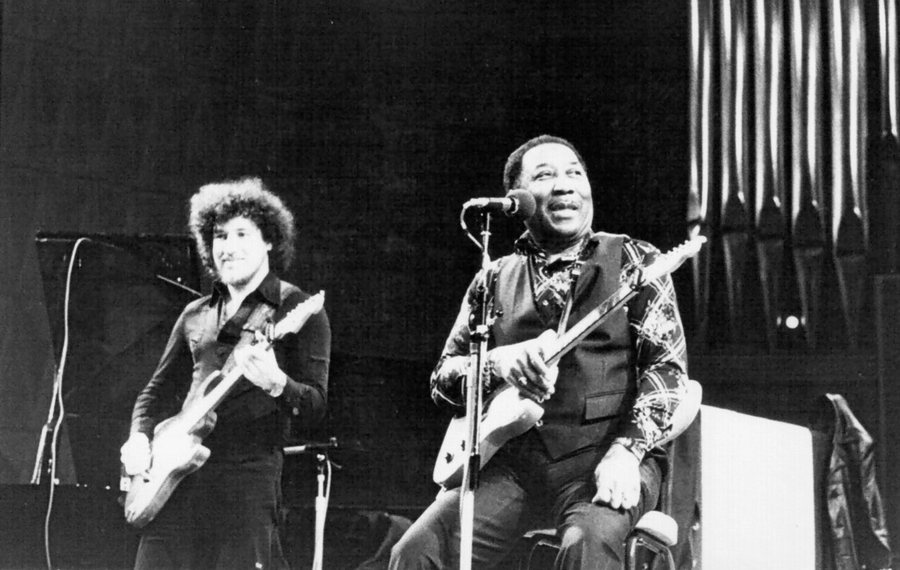
Bob Margolin
A guitarist who played with Waters in his later years and toured with him.
Albums in order
| Year | Album | In a sentence |
|---|---|---|
| 1960 | At Newport 1960 | A live recording from the Newport Jazz Festival, his first live album. |
| 1968 | Electric Mud | An experimental album with a bold electric sound. |
| 1969 | Fathers and Sons | A collaboration with younger Chicago blues musicians. |
| 1977 | Hard Again | A comeback album that won a Grammy Award. |
| 1978 | I’m Ready | A late album with a classic blues sound. |
| 1981 | King Bee | A later album with a strong band sound. |
6 songs that tell the story
Hoochie Coochie Man
A blues classic written by Willie Dixon, and one of his signature songs.
I Just Want to Make Love to You
A classic Chess recording, later covered by many artists.
I’m Ready
A blues standard with a driving rhythm.
Mannish Boy
A bold blues song with a famous boast.
Got My Mojo Working
A blues classic that many later artists have recorded.
Rollin’ Stone
The song that gave The Rolling Stones their name.
Things you may not know
The band took its name from the Muddy Waters song “Rollin’ Stone”.
He is often cited as the father of modern Chicago blues.
Alan Lomax recorded him in Mississippi in 1941 for the Library of Congress.
The Chess brothers ran the label that released his classic recordings.
His 1960 Newport performance became his first live album.
His 1958 visit to England helped revive interest in the blues there.
Hard Again (1977) won a Grammy Award.
The city where he worked from 1943 gave its name to the modern Chicago blues sound he shaped.
Where to start
Start with At Newport 1960 and the Chess singles.
Try Hard Again (1977) and I’m Ready (1978).
Listen to Hoochie Coochie Man and I Just Want to Make Love to You.
Go for Fathers and Sons (1969).
Frequently asked questions
Who was Muddy Waters?
An American blues singer and guitarist, born in Mississippi in 1913, often called the father of modern Chicago blues.
When did Muddy Waters die?
On 30 April 1983.
Why are The Rolling Stones named after Muddy Waters?
The band took its name from the Muddy Waters song “Rollin’ Stone”.
What is Muddy Waters’ most famous song?
“Hoochie Coochie Man” is among his most famous songs.
Where did Muddy Waters move to?
He moved from Mississippi to Chicago in 1943.
Which Muddy Waters album should a beginner hear?
At Newport 1960 and Hard Again (1977) are good starting points.
Did Muddy Waters win a Grammy?
Yes. Hard Again (1977) won a Grammy Award.
Where can I listen to Muddy Waters for free?
Open the Kalisha web radio, choose Muddy Waters, and the exclusive station plays his music without installing anything.
What was Muddy Waters' real name?
He was born McKinley Morganfield.
Where was Muddy Waters born?
He was born on 4 April 1913 in Mississippi and grew up on Stovall Plantation near Clarksdale.
Where is Muddy Waters buried?
He is buried near Chicago.
How did Muddy Waters learn guitar?
He learned by copying local blues artists, and by the age of seventeen he was playing guitar and harmonica, copying Son House and Robert Johnson.
More from Kalisha

Enjoyed this? The app is free to start.
Works on iPhone and Android — nothing to install