The Clash: Biography, Albums and Best Songs
The Clash formed in London in 1976 and became one of the most influential bands of the British punk wave. They mixed punk with reggae, dub, funk and rockabilly, and their albums London Calling and Combat Rock still rank among the best of their decades.
Listen to The Clash now
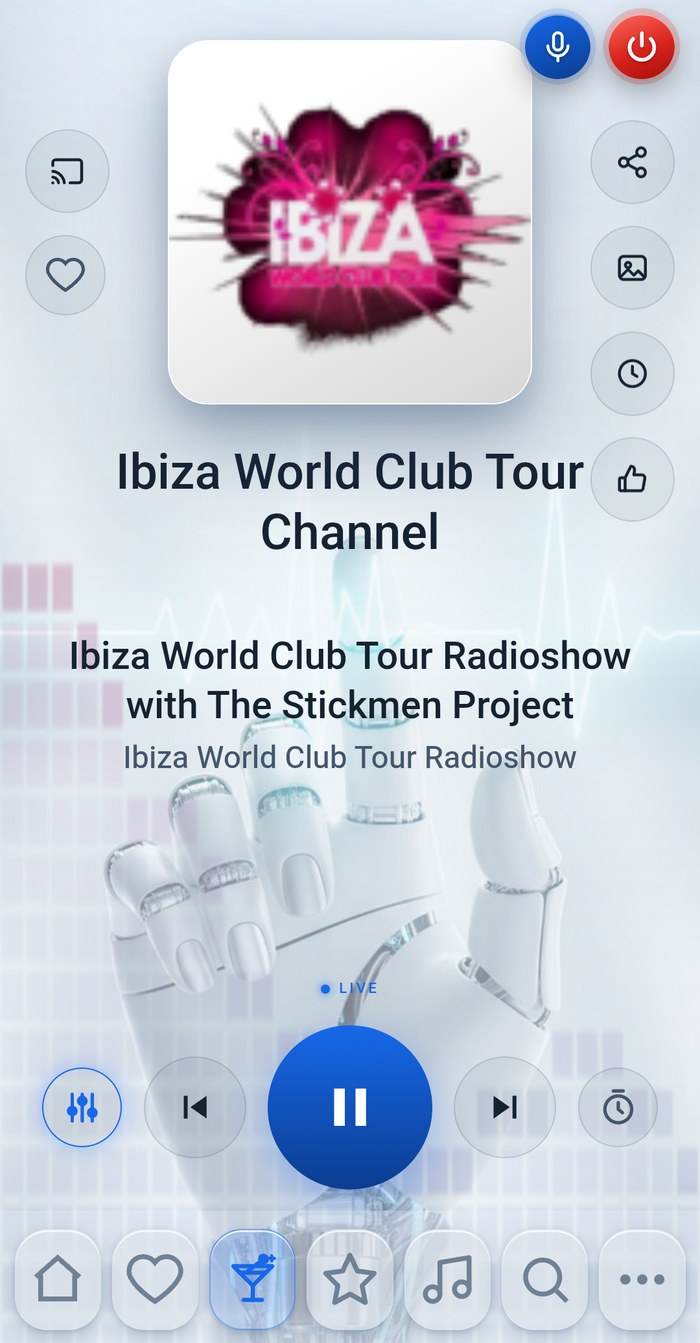
Kalisha has a dedicated The Clash station called Exclusively The Clash: one continuous channel with the band’s songs, free to start, with nothing to install. It is one of the 312 exclusive single-artist channels in the app.
The short version
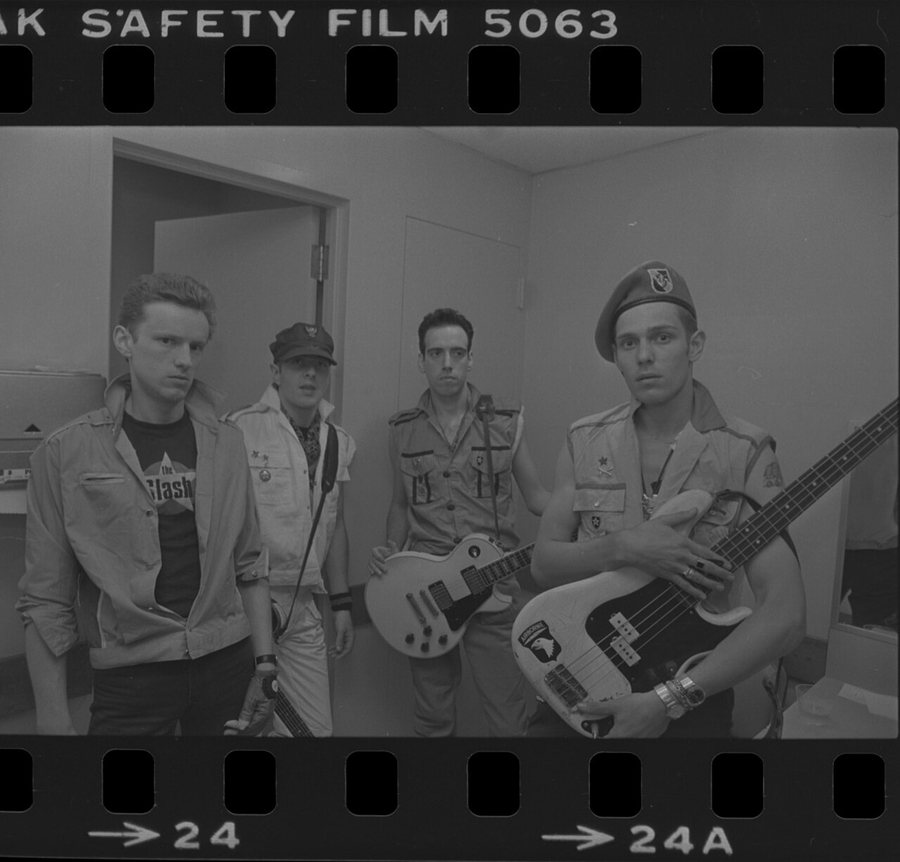
The Clash were Joe Strummer, Mick Jones, Paul Simonon and Nicky “Topper” Headon. They started in London in 1976 and quickly became the most political and most musical band of the punk movement, with a sound that also borrowed from reggae and dub.
Their third album, London Calling (1979), made them famous in the United States. Their later records, such as Sandinista! and Combat Rock, were bolder and more experimental, and the band split in 1985 after a long run of changes in its lineup.
The story in 4 chapters
London, punk and the first album
The Clash formed in London in 1976, when punk was just taking off. Their early gigs were short and loud, and they built a following in the clubs of the capital. Their name was a nod to the punk scene, as their ideas were built around the idea of a clash of styles.
Their self-titled debut album, The Clash (1977), was released in the UK and became a critical and commercial success there, with its fast songs and street politics.
Give ’Em Enough Rope and London Calling
Give ’Em Enough Rope (1978) was a polished album that gave the band its second strong UK release. The following year, London Calling (December 1979) brought in reggae, rockabilly and jazz influences and became a landmark of the decade.
A decade later, Rolling Stone named London Calling the best album of the 1980s. The record also made the band popular in the United States, where it came out the following month.
Sandinista! and Combat Rock
Sandinista! (1980) was a triple album that ranged from dub to country. It was a bold experiment, and the band followed it with Combat Rock (1982).
Combat Rock included the US top-ten hit “Rock the Casbah”, and the album reached platinum status in the United States. In 1982 Headon left the band because of his heroin addiction, and Jones left the following year.
The end and the Hall of Fame
After Jones left, the band continued with a new lineup and released the final album, Cut the Crap (1985). The group split a few weeks later.
Shortly after the death of Joe Strummer in 2002, the band were inducted into the Rock and Roll Hall of Fame in January 2003. In 2004 Rolling Stone ranked them number 28 on its list of the 100 greatest artists of all time.
Band members
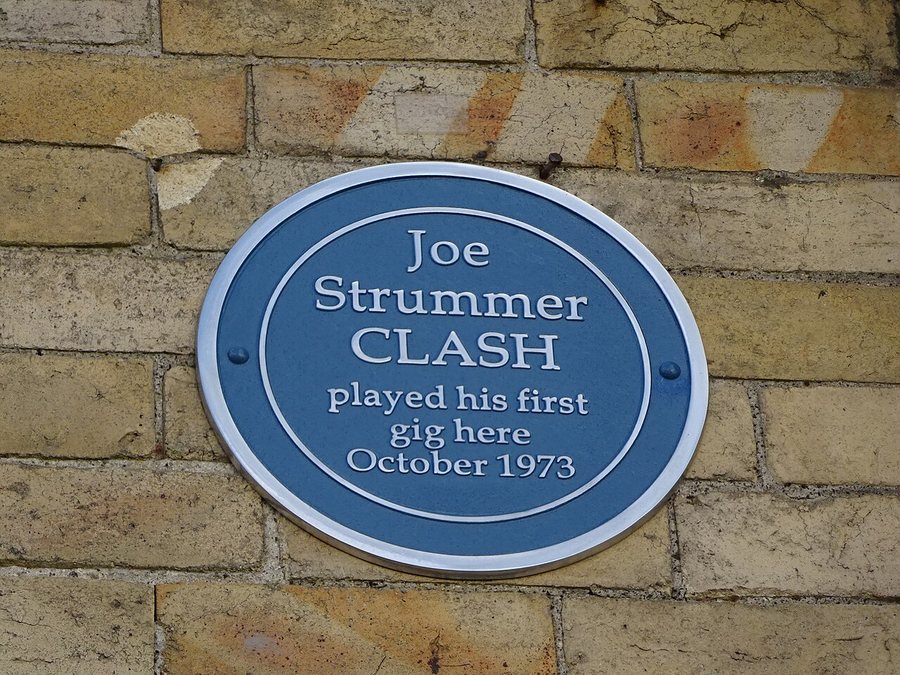
Joe Strummer
The band’s frontman and main lyricist, known for his fierce voice and his politics. He died in 2002.
Mick Jones
The lead guitarist and co-writer of many of the band’s best songs, including the music of “London Calling”.
Paul Simonon
The bassist whose image of smashing his bass guitar on stage became one of the iconic punk photographs.
Nicky “Topper” Headon
The drummer of the classic years. He left in 1982 because of heroin addiction.
Albums in order
| Year | Album | In a sentence |
|---|---|---|
| 1977 | The Clash | The debut album, fast and raw, with the first punk anthems. |
| 1978 | Give ’Em Enough Rope | A more polished record that gave the band its UK success. |
| 1979 | London Calling | The landmark album with reggae, rockabilly and jazz influences. |
| 1980 | Sandinista! | A triple album that ranged from dub to country. |
| 1982 | Combat Rock | The album with the US top-ten hit “Rock the Casbah”. |
| 1985 | Cut the Crap | The last album, recorded with a new lineup. |
10 songs that tell the story
London Calling
A warning about a city on the edge, and the title track of the landmark album.
White Riot
A short, angry anthem from the first album.
Complete Control
A fast protest song about control and the music industry.
Clampdown
A song about the pressures on young people, from London Calling.
Train in Vain
A hit about a relationship, which closed the album.
Spanish Bombs
A song about the Spanish Civil War, from London Calling.
Should I Stay or Should I Go
A tense rock song with a famous hook, from Combat Rock.
Rock the Casbah
The US top-ten hit with its loose, funky groove.
Straight to Hell
A slow, bitter song from Combat Rock.
Career Opportunities
A sharp song about the lack of jobs for young people.
Things you may not know
The band called themselves “The Only Band That Matters” in their early publicity.
Rolling Stone named London Calling the best album of the 1980s.
“Rock the Casbah” was the band’s biggest US hit, in the top ten.
The Clash were inducted into the Rock and Roll Hall of Fame in 2003.
In 2004 Rolling Stone ranked them number 28 among the 100 greatest artists.
Sandinista! (1980) was a three-record set, a bold move for a punk band.
A famous photo shows Paul Simonon smashing his bass guitar on stage.
Headon left in 1982 and Jones in 1983, and the band finished with a new lineup.
Where to start
Start with The Clash (1977) and White Riot.
Listen to London Calling (1979), the album that defines the band.
Try Combat Rock (1982) with Rock the Casbah.
Go for Sandinista! (1980).
Frequently asked questions
Who were The Clash?
A London punk band formed in 1976, known for mixing punk with reggae, dub and rockabilly.
What is The Clash’s best album?
London Calling (1979) is the one most critics name as their finest record.
What is their most famous song?
“London Calling” and “Rock the Casbah” are the two best-known songs.
Who were the members of The Clash?
Joe Strummer, Mick Jones, Paul Simonon and Nicky Headon, with later members in the last years.
When did The Clash break up?
They disbanded in 1985, a few weeks after releasing their last album.
Were The Clash in the Rock and Roll Hall of Fame?
Yes. They were inducted in January 2003.
Did The Clash have a US hit?
Yes, “Rock the Casbah” was a top-ten hit in the United States in 1982.
Where can I listen to The Clash for free?
Open the Kalisha web radio, choose The Clash, and the exclusive station plays their music without installing anything.
Who was the lead singer of The Clash?
Joe Strummer was the band's frontman and main lyricist. He died in 2002.
Who was the drummer of The Clash?
Nicky "Topper" Headon was the drummer of the classic years, and he left the band in 1982 because of his heroin addiction.
Who was the guitarist of The Clash?
Mick Jones was the lead guitarist and co-writer of many of the band's best songs.
How did The Clash form?
The Clash formed in London in 1976, when punk was just taking off.
What was the first album by The Clash?
Their debut album, released in 1977, was self-titled The Clash.
More from Kalisha

Enjoyed this? The app is free to start.
Works on iPhone and Android — nothing to install