Exclusively Bob Marley: Shot Two Days Before He Refused Not to Play
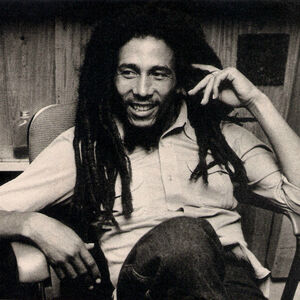
On the evening of 3 December 1976, seven armed men climbed the fence at 56 Hope Road in Kingston while Marley and his band were on a break from rehearsal. His wife, Rita, was shot in the head sitting in her car in the driveway — she survived. His manager Don Taylor took bullets to the legs and torso. Marley himself was hit in the chest and arm, the bullet in his arm lodging too close to his heart to safely remove. Nobody died that night, which in hindsight looks less like luck and more like a miracle.
The motive was Jamaica's election-season violence: Marley had agreed to headline the Smile Jamaica concert, a free show widely read as a show of support for the sitting prime minister, and someone decided the surest way to stop that message was to stop the man carrying it. It didn't work. Two days later, with his arm still in a sling, Marley played a 90-minute set to 80,000 people. He never explained why. He just walked out and played.
Five years after he was shot and lived, something far quieter killed him. In 1977 a dark spot turned up under his big toenail. Marley, a devout Rastafarian, told doctors amputation was against his faith and had only the nail and surrounding tissue removed instead. It was acral lentiginous melanoma — a skin cancer that doesn't need much sun exposure to start, and by the time anyone took it seriously, it hadn't stayed under his toe. He collapsed while jogging in Central Park in 1980; doctors found it had already reached his lungs, his liver, his brain.
Bob Marley died on 11 May 1981, in Miami. He was 36. The gunmen who tried to kill him in his own front yard never managed it. The thing that did was something he could have had treated years earlier, if he'd let anyone touch his foot.
— Kalisha 🎧
Enjoyed this? The app is free to start.
Get the app