Bob Dylan: History, Albums and Best Songs
Bob Dylan, born Robert Allen Zimmerman in Duluth, Minnesota, in 1941, is an American singer-songwriter often named as the most influential lyricist in popular music. He began as a folk singer in New York, turned heads by going electric in 1965, and has kept writing and touring for more than sixty years. In 2016 he was awarded the Nobel Prize in Literature. This page is the plain-English guide: who he is, what he made, and where to begin.
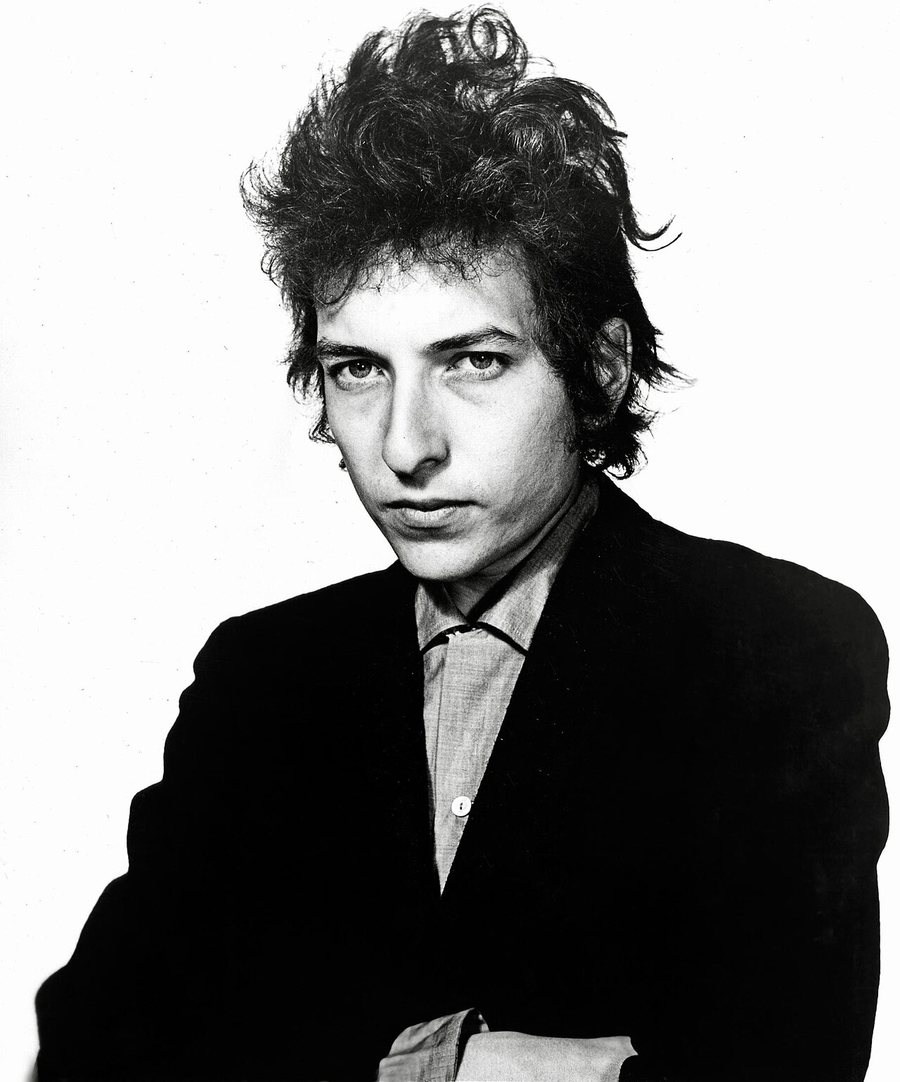
Listen to Bob Dylan now
Kalisha has a dedicated Bob Dylan station called Exclusively Bob Dylan: one continuous channel with his songs, free to start, with nothing to install. It is one of the 312 exclusive single-artist channels in the app.
The short version
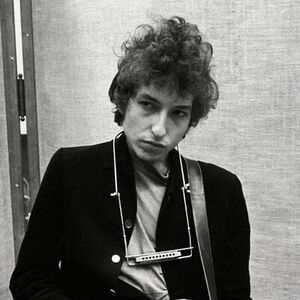
Dylan arrived in New York in January 1961 as a young folk singer, visiting his hero Woody Guthrie, and quickly became the voice of the early-1960s folk revival with songs like Blowin’ in the Wind and The Times They Are a-Changin’.
In 1965 he plugged in, made Bringing It All Back Home, Highway 61 Revisited and Blonde on Blonde, and changed rock lyrics forever. He has reinvented himself again and again, and still tours widely.
The story in 5 chapters
From Minnesota to Greenwich Village
Robert Zimmerman grew up in Minnesota, fell for rock and roll as a teenager and then for folk music. He moved to New York in January 1961 and legally changed his name to Bob Dylan in 1962.
His debut Bob Dylan (1962) was mostly folk covers, but The Freewheelin’ Bob Dylan (1963) held his own songs, including Blowin’ in the Wind and A Hard Rain’s A-Gonna Fall.
Going electric
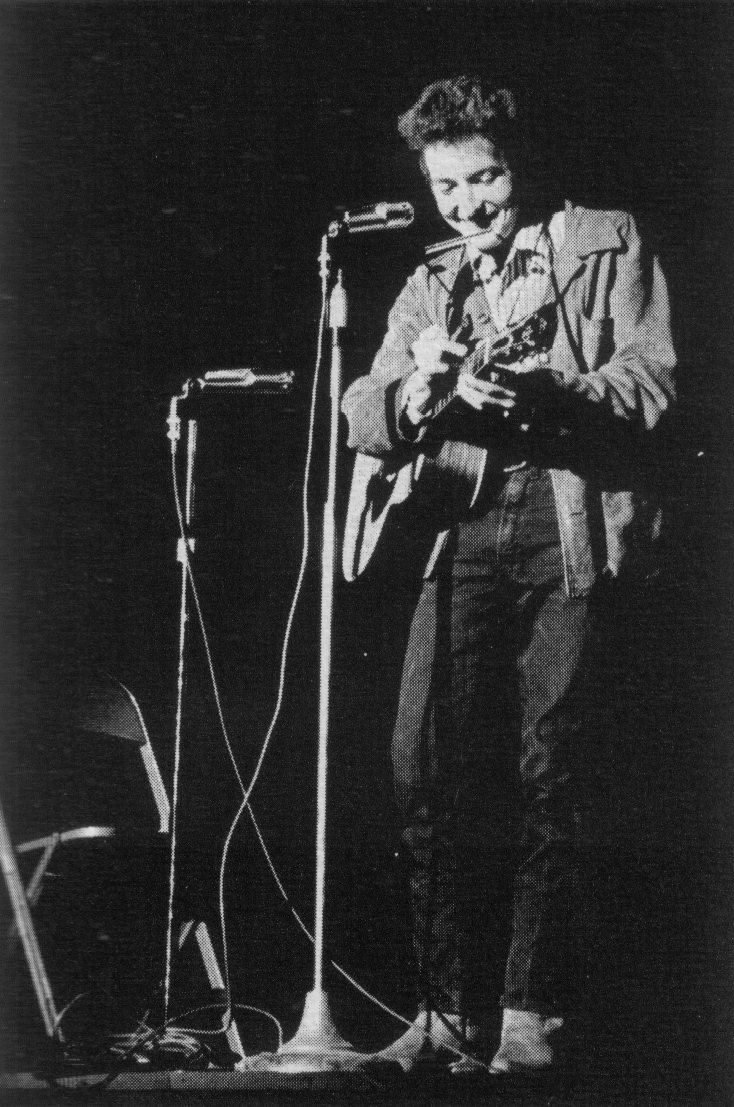
The Times They Are a-Changin’ and Another Side of Bob Dylan came out in 1964. Then in 1965 he recorded with electric guitars on Bringing It All Back Home and Highway 61 Revisited, which opened with Like a Rolling Stone.
On 25 July 1965 he played an electric set at the Newport Folk Festival and got both cheers and boos. Blonde on Blonde followed in 1966. After a motorcycle accident in July 1966 near his home in Woodstock, New York, he stopped touring for several years.
Country, heartbreak and faith
After the accident he recorded the quiet John Wesley Harding (1967) and the country-flavoured Nashville Skyline (1969). Blood on the Tracks (1975), full of songs about love and loss, is a fan favourite.
Desire (1976) was another big seller, and in 1979 Slow Train Coming began a period of Christian-themed albums.
The Never Ending Tour
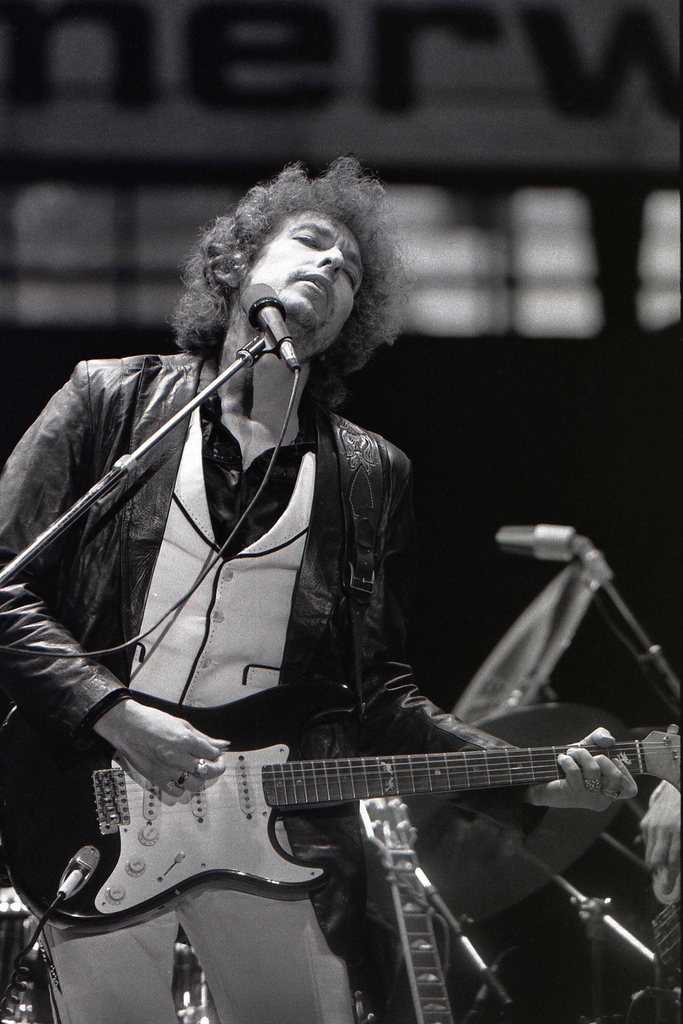
Through the 1980s his albums were uneven, but he found a new rhythm on the road: from the late 1980s he toured almost constantly in what became known as the Never Ending Tour.
Oh Mercy (1989) was well liked, and Time Out of Mind (1997) won the Grammy for Album of the Year.
Late works and the Nobel Prize
Albums such as “Love and Theft” (2001), Modern Times (2006), Tempest (2012) and Rough and Rowdy Ways (2020) won warm reviews. He also recorded albums of standards made famous by Frank Sinatra.
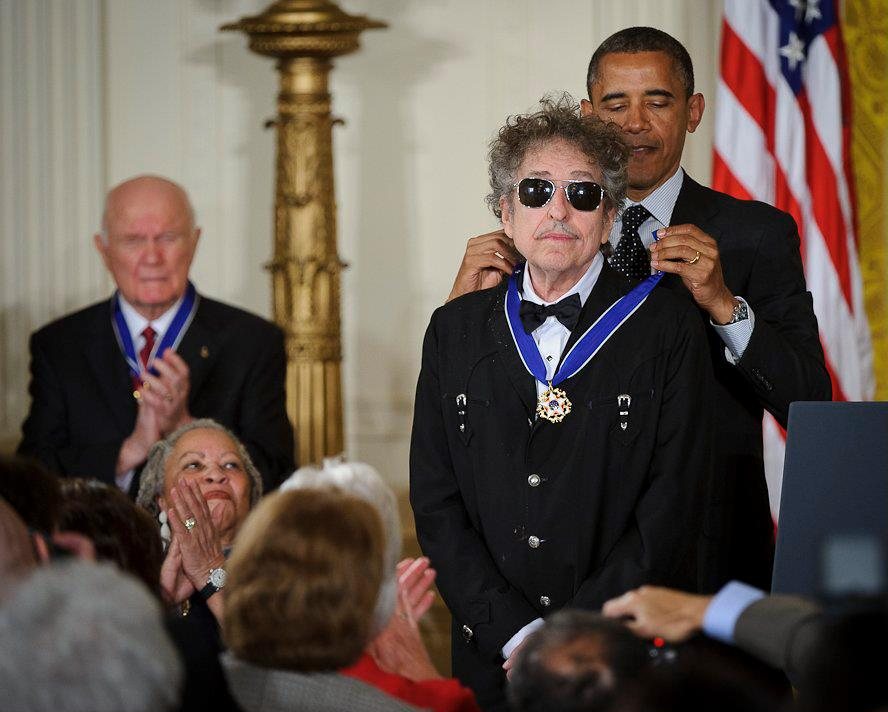
In 2012 he received the Presidential Medal of Freedom, and in 2016 the Nobel Prize in Literature “for having created new poetic expressions within the great American song tradition”.
Band members
Woody Guthrie
The American folk singer whom Dylan came to New York to visit; his story songs were a major early influence.
Joan Baez
A star of the folk revival who helped bring Dylan to a wider audience in the early 1960s.
The Band
A group of musicians who backed him on tour and on the Basement Tapes sessions, and later made their own albums.
Producers and sidemen
Dylan has worked with many producers, including Daniel Lanois on Oh Mercy and Time Out of Mind, and has led a changing touring band.
Albums in order
| Year | Album | In a sentence |
|---|---|---|
| 1962 | Bob Dylan | His debut, mostly folk covers. |
| 1963 | The Freewheelin’ Bob Dylan | The first album full of his own songs. |
| 1964 | The Times They Are a-Changin’ | Protest songs and the title anthem. |
| 1965 | Bringing It All Back Home | Half acoustic, half electric. |
| 1965 | Highway 61 Revisited | Includes Like a Rolling Stone. |
| 1966 | Blonde on Blonde | A double album, often named his best. |
| 1967 | John Wesley Harding | A quiet, biblical, stripped-down record. |
| 1969 | Nashville Skyline | Country songs and a gentler voice. |
| 1975 | Blood on the Tracks | Emotional songs of love and loss. |
| 1976 | Desire | Includes Hurricane. |
| 1979 | Slow Train Coming | His first gospel-themed album. |
| 1989 | Oh Mercy | A critical comeback. |
| 1997 | Time Out of Mind | Won the Grammy for Album of the Year. |
| 2001 | “Love and Theft” | Blues, swing and rockabilly. |
| 2006 | Modern Times | A US number-one album. |
| 2012 | Tempest | Includes a long song about the Titanic. |
| 2020 | Rough and Rowdy Ways | A well-reviewed late work. |
12 songs that tell the story
Blowin’ in the Wind
The early anthem of questions, covered by many singers.
The Times They Are a-Changin’
A call for change that became an anthem.
Mr. Tambourine Man
A dreamy song that the Byrds turned into a hit.
Subterranean Homesick Blues
A fast, wordy rock song.
Like a Rolling Stone
His biggest single, which peaked at number two in the US.
Positively 4th Street
A bitter single.
Just Like a Woman
A poignant song from the double album.
All Along the Watchtower
A short, mysterious song that Jimi Hendrix covered.
Lay Lady Lay
A warm, low-voiced country ballad.
Tangled Up in Blue
A story song with shifting time and perspective.
Knockin’ on Heaven’s Door
A short, quiet ballad written for a film.
Not Dark Yet
A dark, slow, late-career song.
Things you may not know
He legally changed his name to Bob Dylan in 1962.
He went electric at the Newport Folk Festival in July 1965 and was met with cheers and boos.
In 2004 Rolling Stone named Like a Rolling Stone the greatest song of all time.
A 1966 accident near Woodstock led to a long break from touring.
He has toured almost constantly since the late 1980s.
He also won an Academy Award for the song Things Have Changed.
The 1997 album won Album of the Year.
He received the Presidential Medal of Freedom in 2012.
In 2016 he received the Nobel Prize in Literature.
Many of his songs became hits for other artists, including the Byrds and Jimi Hendrix.
Where to start
Start with Like a Rolling Stone, Blowin’ in the Wind and Mr. Tambourine Man.
Play Highway 61 Revisited and Blonde on Blonde.
Try Blood on the Tracks.
Go to Nashville Skyline and Time Out of Mind.
Frequently asked questions
Who is Bob Dylan?
An American singer-songwriter born in Duluth, Minnesota, in 1941, widely seen as one of the greatest songwriters in popular music.
What is Bob Dylan’s real name?
Robert Allen Zimmerman. He legally became Bob Dylan in 1962.
What is his most famous song?
Like a Rolling Stone (1965) is often named as his best-known song; Blowin’ in the Wind is the early classic.
Did Bob Dylan win the Nobel Prize?
Yes, the Nobel Prize in Literature in 2016.
Why did Dylan go electric?
In 1965 he began recording with electric guitars and a band, which surprised folk fans at the Newport Folk Festival.
What is the Never Ending Tour?
The name given to Dylan’s near-constant touring since the late 1980s.
Which Bob Dylan album should I start with?
Highway 61 Revisited, Blood on the Tracks or The Freewheelin’ Bob Dylan.
Where can I listen to Bob Dylan online?
You can listen to a continuous Bob Dylan station on Kalisha Radio, on your phone, tablet or computer, with nothing to install.
When and where was Bob Dylan born?
He was born Robert Allen Zimmerman in Duluth, Minnesota, on 24 May 1941.
How did Bob Dylan get his name?
He legally changed his name from Robert Zimmerman to Bob Dylan in 1962.
How did Bob Dylan become famous?
He moved to New York in January 1961 as a young folk singer and became the voice of the early-1960s folk revival with songs like “Blowin' in the Wind” and “The Times They Are a-Changin'”.
More from Kalisha

Enjoyed this? The app is free to start.
Works on iPhone and Android — nothing to install