David Bowie: History, Albums and Best Songs
David Bowie was a British singer, songwriter and performer who spent more than fifty years reinventing himself: spaceman, glam-rock alien, soul singer, experimental artist in Berlin, pop star, and grey-haired elder statesman. He sold an estimated 100 million records and left behind some of the most influential rock albums ever made. This page is the plain-English guide: who he was, what he recorded, and where to begin.

Listen to David Bowie now
Kalisha has a dedicated David Bowie station called Exclusively David Bowie: one continuous channel with his songs, free to start, with nothing to install. It is one of the 312 exclusive single-artist channels in the app.
The short version
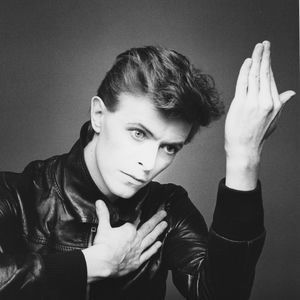
David Bowie was born David Jones in Brixton, south London, in 1947. After several years of trying, he had his first hit with Space Oddity in 1969, then became a star in 1972 as Ziggy Stardust, a glam-rock visitor from space, on the album The Rise and Fall of Ziggy Stardust and the Spiders from Mars.
He never stood still. He moved to American soul with Young Americans, made the experimental Berlin albums Low and “Heroes”, topped the charts with Let’s Dance in 1983, and kept exploring until his last album, Blackstar, in 2016. He died on 10 January 2016, two days after it came out.
The story in 5 chapters
From David Jones to Bowie
David Jones was born on 8 January 1947 in Brixton, London. He played in several bands in the 1960s and took the name Bowie to avoid confusion with another singer called Davy Jones. His first album came out in 1967 and did not sell.
Space Oddity (1969), a song about an astronaut lost in space, finally gave him a hit. After The Man Who Sold the World (1970), he made Hunky Dory (1971), an album of piano-led songs that included Changes and Life on Mars?
Ziggy Stardust and glam rock
The Rise and Fall of Ziggy Stardust and the Spiders from Mars (1972) told the story of a rock star from another world. Bowie played Ziggy on stage with bright hair, bold costumes and his band, the Spiders from Mars, with guitarist Mick Ronson. It included Starman and Ziggy Stardust.
Aladdin Sane (1973) reached number one in the UK, and Diamond Dogs (1974) brought Rebel Rebel.
Soul, Berlin and experiments
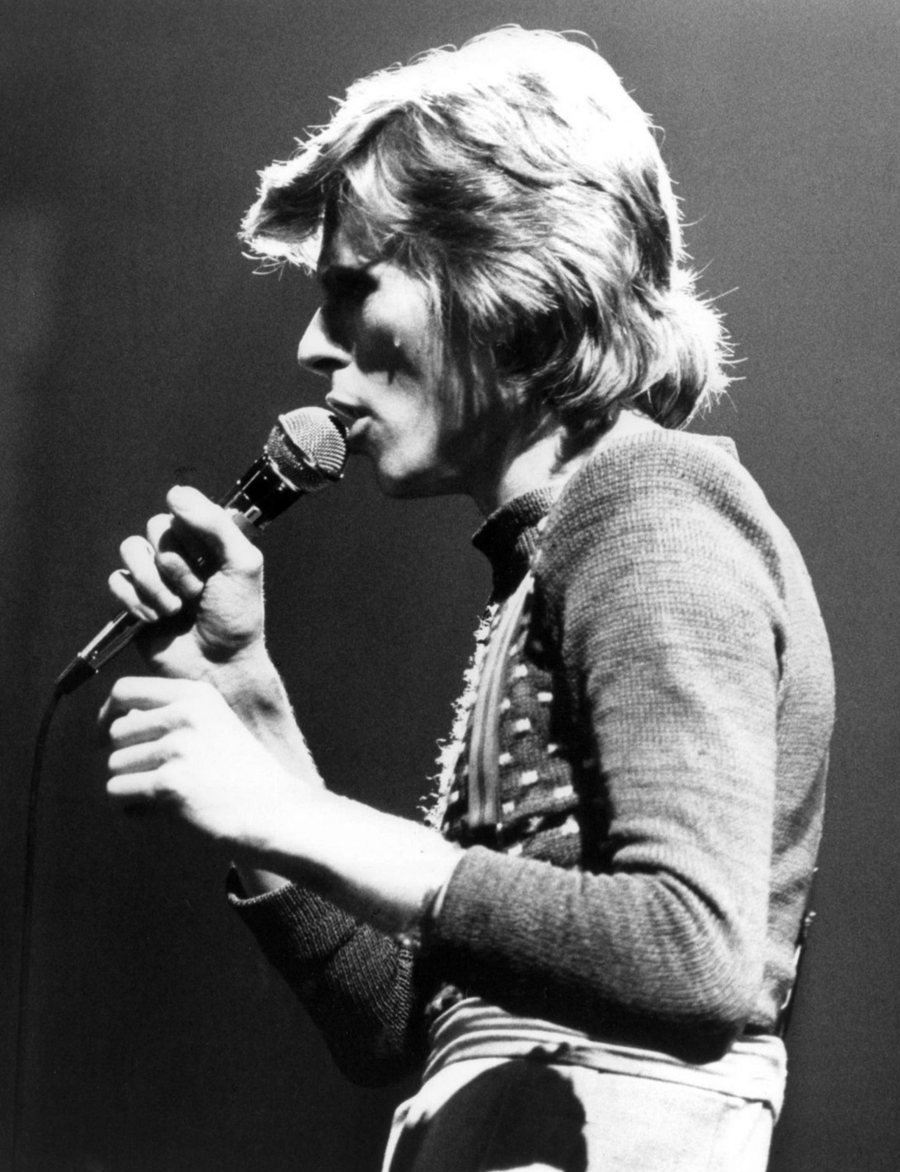
In 1975 Bowie moved to American soul and funk with Young Americans. Its song Fame, written with John Lennon, was his first number one in the US.
He then worked in Berlin with Brian Eno and producer Tony Visconti on Low and “Heroes” (both 1977) and Lodger (1979), often called the Berlin trilogy. They mixed rock with electronic sounds and are among the most admired albums of the period.
Scary Monsters and a pop peak
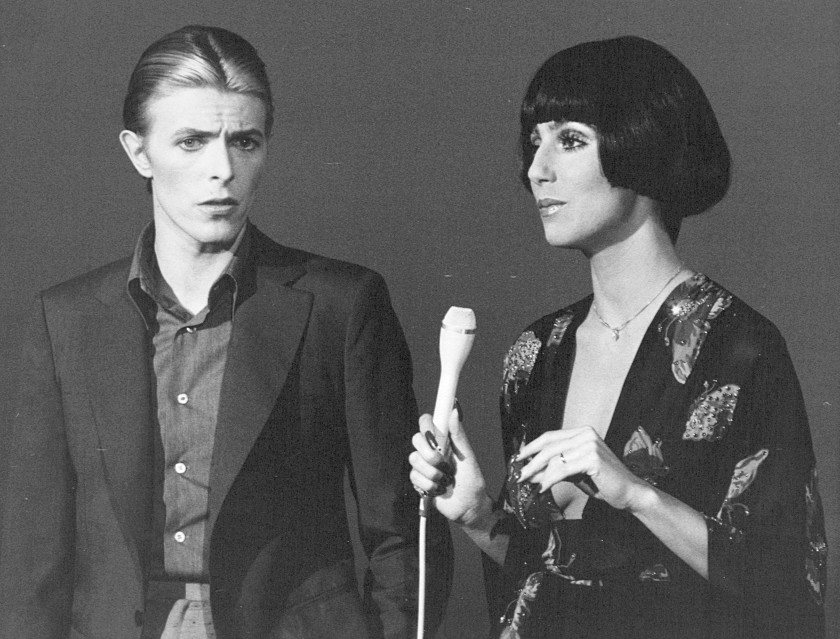
Scary Monsters (and Super Creeps) (1980) gave him a UK number one with Ashes to Ashes. In 1981 he and Queen recorded Under Pressure, which also reached number one in the UK.
Let’s Dance (1983), produced with Nile Rodgers of Chic, was his biggest commercial success. Its title song reached number one in the US. Tonight (1984) and Never Let Me Down (1987) were less loved by critics.
A long second act
From the 1990s Bowie explored electronic sounds on Black Tie White Noise (1993), 1.Outside (1995) and Earthling (1997), then made warmer records such as Heathen (2002) and Reality (2003).
After about ten years without a new album, he surprised fans with The Next Day (2013). His final album, Blackstar, came out on 8 January 2016. He died two days later, on 10 January, in New York.

Band members
Mick Ronson
The lead guitarist of the Spiders from Mars. His guitar sound and arrangements were a key part of Bowie’s glam-rock records.
Tony Visconti
A producer and musician who worked with Bowie on many albums, from the late 1960s to Blackstar.
Brian Eno
The experimental musician who helped create the Berlin trilogy with Bowie and Visconti.
Nile Rodgers
The Chic guitarist who produced Let’s Dance and gave it its crisp, danceable sound.
Albums in order
| Year | Album | In a sentence |
|---|---|---|
| 1967 | David Bowie | The debut, in a music-hall pop style. |
| 1969 | Space Oddity | Includes the song that gave Bowie his first hit. |
| 1970 | The Man Who Sold the World | A heavier, guitar-driven record. |
| 1971 | Hunky Dory | Includes Changes and Life on Mars? |
| 1972 | The Rise and Fall of Ziggy Stardust and the Spiders from Mars | The glam-rock classic with Starman. |
| 1973 | Aladdin Sane | A UK number one album. |
| 1973 | Pin Ups | An album of cover versions of 1960s songs. |
| 1974 | Diamond Dogs | Includes Rebel Rebel. |
| 1975 | Young Americans | His soul and funk album, with Fame. |
| 1976 | Station to Station | A cold, dramatic mix of funk and rock. |
| 1977 | Low | The first Berlin album, half songs and half instrumentals. |
| 1977 | “Heroes” | Includes the title song, one of his most loved. |
| 1979 | Lodger | The third Berlin-era record. |
| 1980 | Scary Monsters (and Super Creeps) | Includes Ashes to Ashes. |
| 1983 | Let’s Dance | His biggest commercial success. |
| 1984 | Tonight | A pop follow-up. |
| 1987 | Never Let Me Down | A big-sounding pop-rock record. |
| 1993 | Black Tie White Noise | His return to solo albums after the 1980s. |
| 1995 | 1.Outside | A dark, experimental concept record. |
| 1997 | Earthling | A record influenced by drum and bass. |
| 1999 | ‘hours...’ | A quieter, more personal album. |
| 2002 | Heathen | A reflective return to form. |
| 2003 | Reality | A lively rock record. |
| 2013 | The Next Day | A surprise comeback after a decade of silence. |
| 2016 | Blackstar | His final album, released two days before his death. |
12 songs that tell the story
Space Oddity
The tale of Major Tom, and his first big hit.
Changes
A song about reinvention, which became a Bowie signature.
Life on Mars?
A dramatic, piano-led song with a huge chorus.
Starman
The glam-rock single that made Ziggy famous.
Ziggy Stardust
The title song of the album.
Rebel Rebel
A glam-rock guitar riff and an anthem for outsiders.
Fame
A funky number one in the US, written with John Lennon.
Heroes
A song of love and hope, recorded in Berlin.
Ashes to Ashes
A UK number one which revisits the Major Tom story.
Under Pressure
A duet with Queen, with one of the best-known bass lines in pop.
Let’s Dance
A dance-floor hit, number one in the US.
Lazarus
A late-career song from his final album.
Things you may not know
He took the name Bowie to avoid confusion with Davy Jones of the Monkees.
He was born in Brixton, London, on 8 January 1947.
Eleven of his albums reached number one in the UK.
Space Oddity reached number one in the UK when it was reissued in 1975.
Fame, co-written with John Lennon, was his first US number one.
Low and “Heroes” were made with Brian Eno and Tony Visconti.
Under Pressure with Queen reached number one in the UK in 1981.
Bowie also acted, in films including The Man Who Fell to Earth (1976) and Labyrinth (1986).
Between 2003 and 2013 he released no new albums.
Blackstar came out on his 69th birthday.
Where to start
Start with Let’s Dance, Space Oddity and Heroes.
Play The Rise and Fall of Ziggy Stardust and Aladdin Sane.
Try Low and “Heroes” from the Berlin years.
Go to The Next Day and Blackstar.
Frequently asked questions
Who was David Bowie?
A British singer, songwriter and actor, known for constantly changing his style, from glam rock to soul to electronic music.
What was David Bowie’s real name?
David Robert Jones.
Who is Ziggy Stardust?
A character Bowie created for his 1972 album and tour: a rock star from space.
What is David Bowie’s biggest album?
Let’s Dance (1983) was his biggest commercial success.
What was David Bowie’s last album?
Blackstar, released on 8 January 2016.
When did David Bowie die?
On 10 January 2016 in New York, at the age of 69.
How many albums did David Bowie make?
Twenty-five studio albums, from 1967 to 2016.
Where can I listen to David Bowie online?
You can listen to a continuous David Bowie station on Kalisha Radio, on your phone, tablet or computer, with nothing to install.
How did David Bowie get his stage name?
He took the name Bowie to avoid confusion with another singer called Davy Jones.
When was David Bowie born?
He was born David Jones in Brixton, London, on 8 January 1947.
Did David Bowie act in films?
Yes, he acted in films including The Man Who Fell to Earth (1976) and Labyrinth (1986).
Who was David Bowie's guitarist?
Mick Ronson, the lead guitarist of the Spiders from Mars, was a key part of Bowie's glam-rock sound.
More from Kalisha

Enjoyed this? The app is free to start.
Works on iPhone and Android — nothing to install