Frank Sinatra: History, Albums and Best Songs
Frank Sinatra (1915–1998) was an American singer and actor from Hoboken, New Jersey, nicknamed Ol’ Blue Eyes and often called the Chairman of the Board. He turned the popular song into something close to acting, and his best albums of the 1950s are still the standard for how a singer can tell a story. This page is the plain-English guide: who he was, what he made, and where to begin.
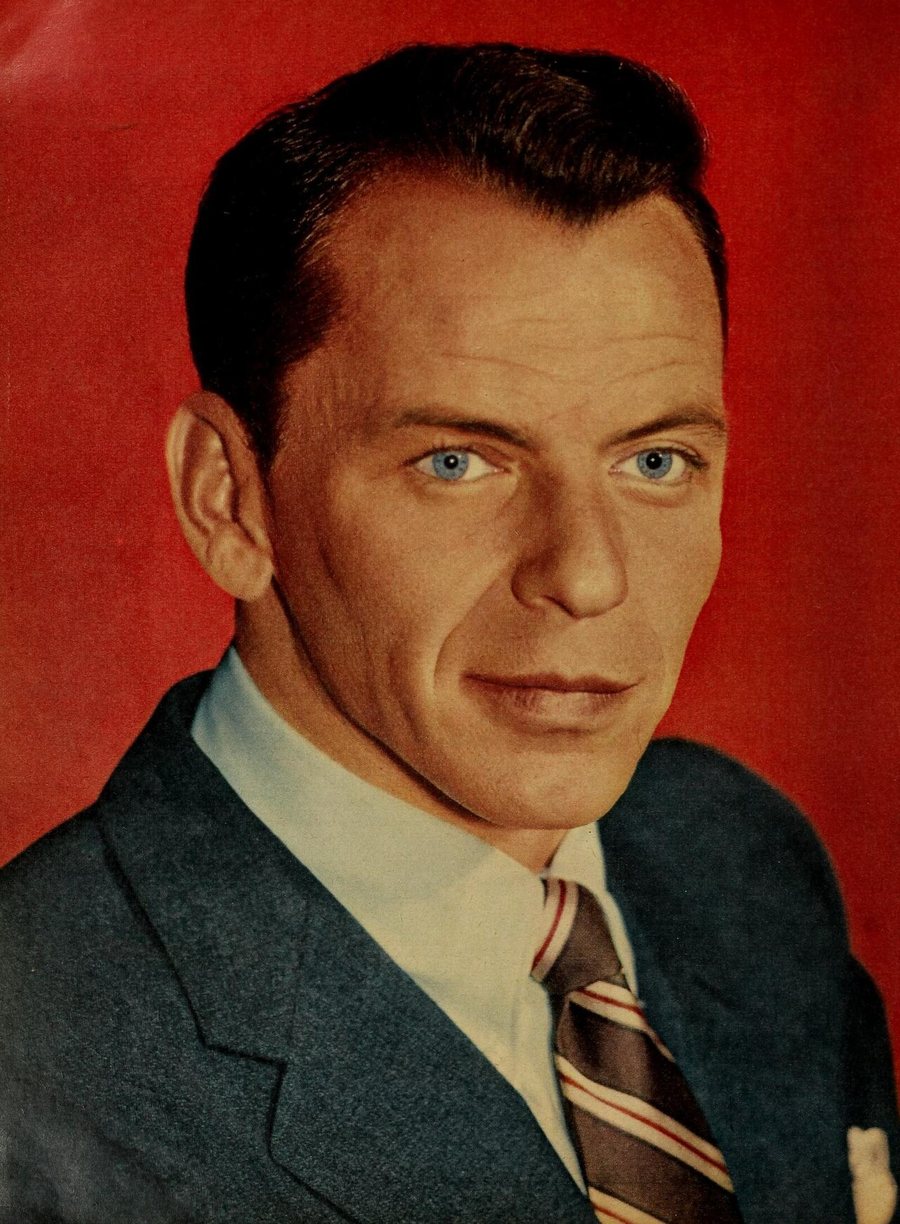
Listen to Frank Sinatra now
Kalisha has a dedicated Frank Sinatra station called Exclusively Frank Sinatra: one continuous channel with his songs, free to start, with nothing to install. It is one of the 312 exclusive single-artist channels in the app.
The short version
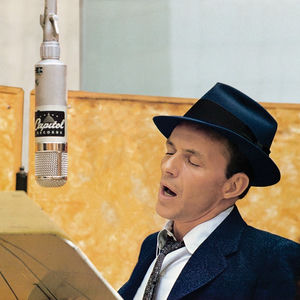
Sinatra started as a big-band singer in the late 1930s, first with Harry James and then with Tommy Dorsey, and became a teen idol in the 1940s. When his career stalled in the early 1950s he won an Oscar for From Here to Eternity and moved to Capitol Records, where he made the great concept albums with Nelson Riddle.
In 1960 he started his own label, Reprise, and kept making hits for decades: Strangers in the Night, My Way, New York, New York. He is one of the most recorded and most imitated singers of the twentieth century.
The story in 5 chapters
The big-band boy
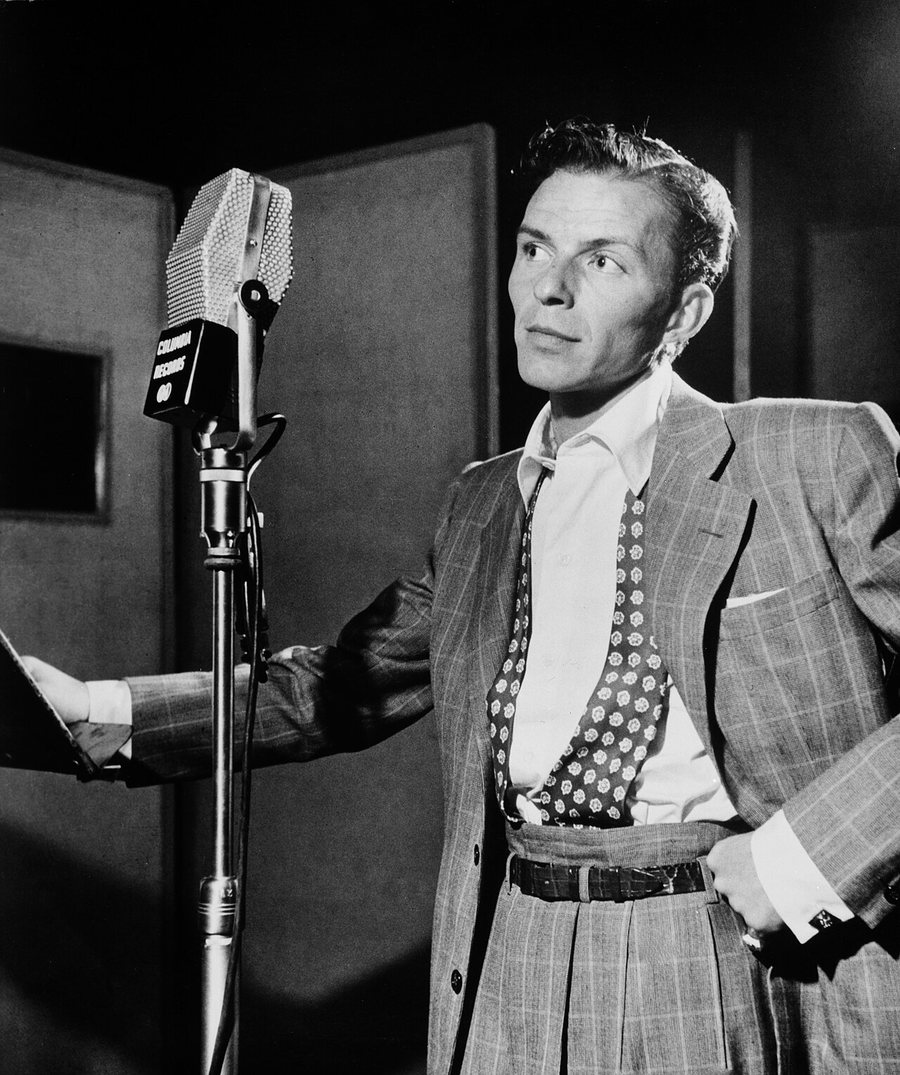
Francis Albert Sinatra was born in Hoboken, New Jersey, in 1915. He joined a vocal group called the Hoboken Four in 1935, then sang with the bands of Harry James and, from 1939, Tommy Dorsey. Dorsey’s band had a huge hit with I’ll Never Smile Again (1940), which topped the charts for weeks.
In September 1942 Sinatra left Dorsey to go solo.
Teen idol and the slump
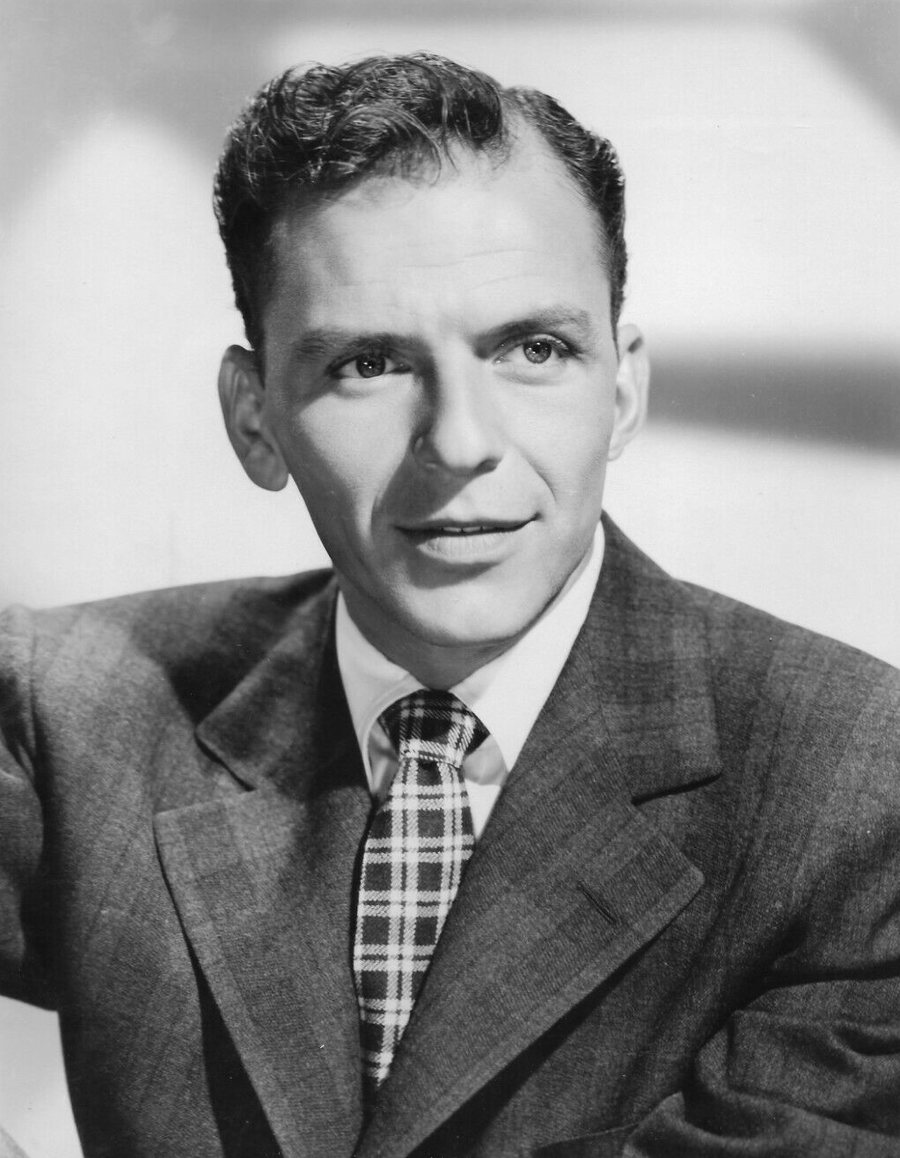
Signed to Columbia Records in 1943, Sinatra drew screaming crowds of young fans, nicknamed bobby-soxers. His first solo album, The Voice of Frank Sinatra (1946), went to number one in the US.
By the early 1950s his voice, film work and record sales had all fallen away, and Columbia dropped him in 1952.
The comeback and the Capitol years
He won an Oscar for his role in From Here to Eternity (1953) and signed to Capitol Records, working with arranger Nelson Riddle. In the Wee Small Hours (1955) is often named as an early concept album of lonely, late-night songs, while Songs for Swingin’ Lovers! (1956) and Come Fly with Me (1958) showed his upbeat side.
In these years he also became the centre of the Las Vegas group known as the Rat Pack, together with friends like Dean Martin and Sammy Davis Jr.
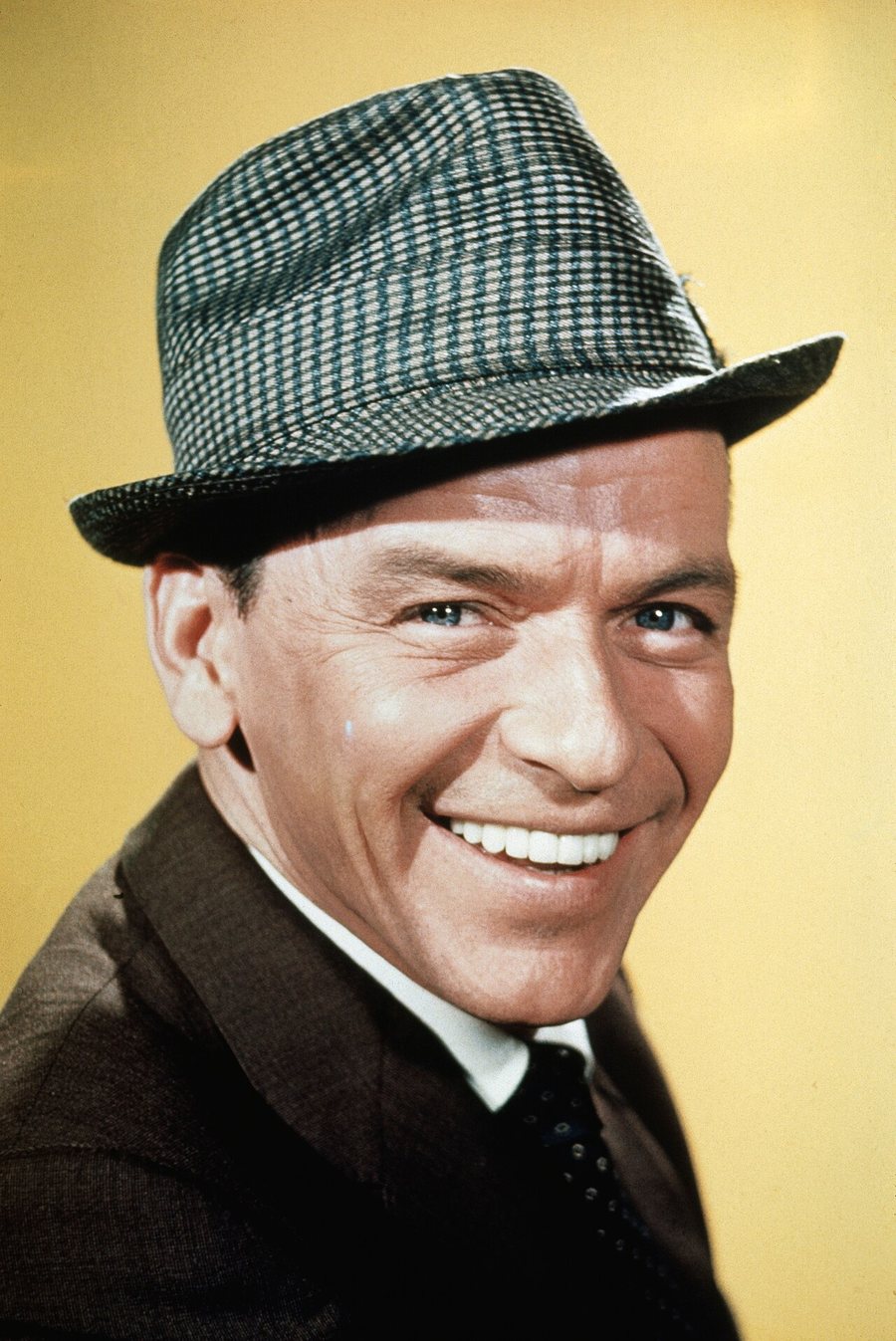
Reprise and the big hits
In 1960 he founded Reprise Records, which he later sold for a large sum. Strangers in the Night (1966) was a number-one single, That’s Life followed, and My Way (1969) became the song most linked to him. He made a bossa nova album with Antonio Carlos Jobim in 1967 and a famous swinging record with Count Basie in 1962.
He announced a retirement in 1971 but returned in 1973 with Ol’ Blue Eyes Is Back.
The elder statesman
Trilogy (1980) included New York, New York, which became his closing number. In 1993 Duets paired him with younger stars and was a big seller.
He kept performing into the mid-1990s. Frank Sinatra died in Los Angeles in 1998, aged 82.
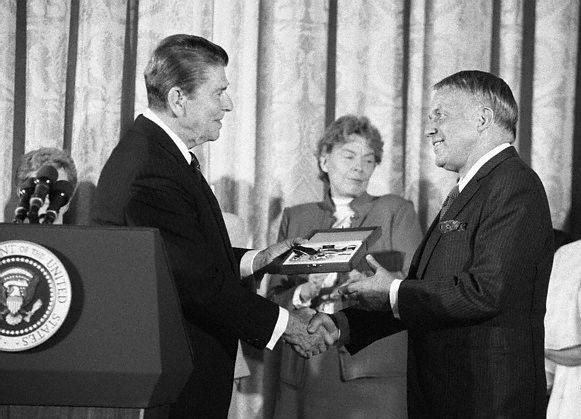
Band members
Nelson Riddle
The arranger behind the Capitol albums, whose lush strings and punchy brass defined the Sinatra sound of the 1950s.
Tommy Dorsey
The trombonist and bandleader who gave Sinatra his big break and taught him how to phrase a ballad.
Billy May and Gordon Jenkins
Billy May wrote the swinging brass for Come Fly with Me and Come Dance with Me!; Gordon Jenkins did string-heavy ballad albums.
Dean Martin and Sammy Davis Jr.
The best-known members of the Rat Pack who shared the Las Vegas stage and films with Sinatra.
Albums in order
| Year | Album | In a sentence |
|---|---|---|
| 1946 | The Voice of Frank Sinatra | His first album, a number one. |
| 1955 | In the Wee Small Hours | Moody, late-night ballads with Nelson Riddle. |
| 1956 | Songs for Swingin’ Lovers! | The upbeat Capitol classic. |
| 1958 | Come Fly with Me | A travel-themed swinging album. |
| 1958 | Frank Sinatra Sings for Only the Lonely | A deeply sad, orchestral record. |
| 1959 | Come Dance with Me! | Won the Grammy for Album of the Year. |
| 1960 | Nice ’n’ Easy | Smooth, romantic standards. |
| 1961 | Ring-a-Ding Ding! | The first album on his own label, Reprise. |
| 1962 | Sinatra–Basie | A swinging meeting with the Count Basie orchestra. |
| 1965 | September of My Years | A reflective record for his fiftieth birthday. |
| 1966 | Strangers in the Night | Includes the title hit. |
| 1967 | Francis Albert Sinatra & Antonio Carlos Jobim | A soft bossa nova collaboration. |
| 1969 | My Way | Includes the song that defined him. |
| 1973 | Ol’ Blue Eyes Is Back | The comeback after a short retirement. |
| 1980 | Trilogy: Past Present Future | Includes New York, New York. |
| 1993 | Duets | Sinatra paired with younger stars. |
12 songs that tell the story
I’ve Got You Under My Skin
A swinging Cole Porter song with a famous brass build-up.
In the Wee Small Hours of the Morning
A quiet, lonely title song.
Fly Me to the Moon
A jazzy standard strongly linked to him.
Come Fly with Me
The travel-themed swinger.
Young at Heart
A top-five hit from his comeback.
The Lady Is a Tramp
A fast, witty show tune.
Strangers in the Night
A number-one single, with the famous scat ending.
That’s Life
A bluesy, swaggering song about ups and downs.
My Way
His signature song, adapted from a French melody.
Summer Wind
A smooth, easy-going ballad.
New York, New York
The big city anthem that became his closer.
One for My Baby (and One More for the Road)
The saloon-song masterpiece.
Things you may not know
His blue eyes gave him his most famous nickname.
He won Best Supporting Actor for From Here to Eternity in 1953.
He founded Reprise Records in 1960.
In the Wee Small Hours is often cited as one of the first concept albums.
Come Dance with Me! also won an award for arranger Billy May.
He rarely wrote songs, but made songs his own.
He announced his retirement in 1971 and was back by 1973.
Sinatra–Basie (1962) paired him with the Count Basie orchestra.
His 1993 Duets album paired him with younger stars and was a big seller.
He was a regular at the Sands in Las Vegas in the Rat Pack era.
Where to start
Start with Songs for Swingin’ Lovers! and Come Fly with Me.
Try In the Wee Small Hours and Only the Lonely.
Play Strangers in the Night, My Way and New York, New York.
Go to Sinatra–Basie and Come Dance with Me!.
Frequently asked questions
Who was Frank Sinatra?
An American singer and actor from Hoboken, New Jersey, born in 1915. He is one of the most famous popular singers of the twentieth century.
Why was he called Ol’ Blue Eyes?
It was a nickname that came from his blue eyes.
What is Frank Sinatra’s biggest song?
My Way is the one most linked to him; Strangers in the Night was a number-one single.
Did Sinatra write My Way?
No. The English words were written by Paul Anka for a French melody; Sinatra made it famous.
Was Sinatra in the Rat Pack?
Yes, he was the central figure of the group that performed in Las Vegas in the late 1950s and early 1960s.
Did he win an Oscar?
Yes, Best Supporting Actor for From Here to Eternity (1953).
What are the best Frank Sinatra albums to start with?
Songs for Swingin’ Lovers!, In the Wee Small Hours and Come Fly with Me.
Where can I listen to Frank Sinatra online?
You can listen to a continuous Frank Sinatra station on Kalisha Radio, on your phone, tablet or computer, with nothing to install.
Where was Frank Sinatra born?
Frank Sinatra was born in Hoboken, New Jersey, on 12 December 1915.
How old was Frank Sinatra when he died?
He died in Los Angeles on 14 May 1998, aged 82.
How did Frank Sinatra get his start?
He started as a big-band singer in the late 1930s, first with Harry James and then with Tommy Dorsey, and became a teen idol in the 1940s.
Who was Frank Sinatra's arranger?
Nelson Riddle was his signature arranger, the arranger behind the Capitol Records albums of the 1950s.
More from Kalisha

Enjoyed this? The app is free to start.
Works on iPhone and Android — nothing to install