Genesis: History, Members, Albums and Best Songs
Genesis are an English band that was formed by schoolboys and lived two musical lives. In the 1970s, with Peter Gabriel, they made long, theatrical progressive-rock songs full of stories. From the late 1970s, with Phil Collins as singer, they became one of the most successful pop-rock bands in the world. They have sold an estimated 100 to 150 million albums. This page is the plain-English guide: who they are, what they made, and where to begin.
Listen to Genesis now
Kalisha has a dedicated Genesis station called Exclusively Genesis: one continuous channel with the band’s songs, free to start, with nothing to install. It is one of the 312 exclusive single-artist channels in the app.
The short version
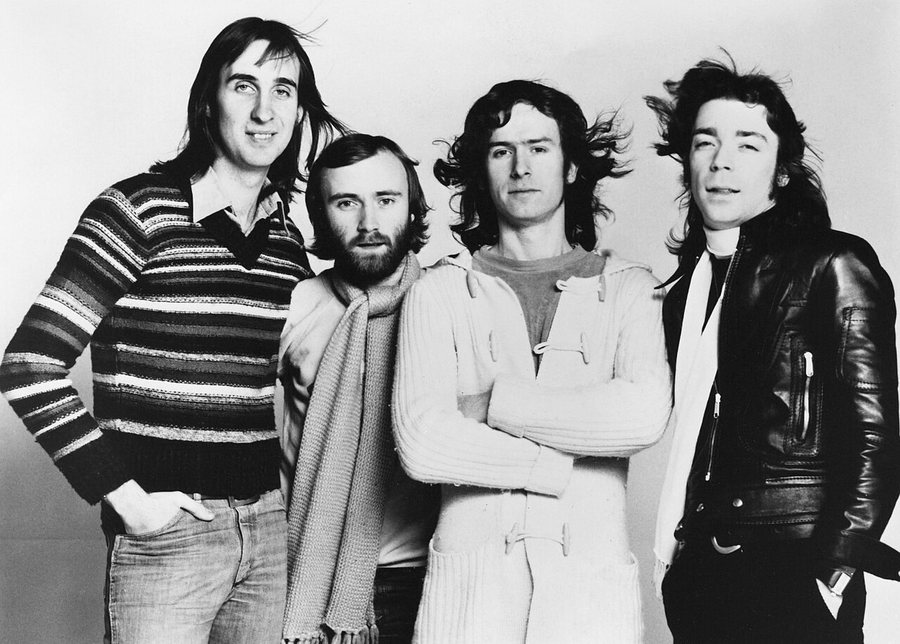
Genesis started at Charterhouse School in England in 1967. Singer Peter Gabriel, keyboard player Tony Banks and bass and guitar player Mike Rutherford, with guitarist Steve Hackett and drummer Phil Collins from 1970 and 1971, became a well-loved progressive-rock group with albums such as Foxtrot and Selling England by the Pound.
After Gabriel left in 1975, Collins stepped from the drums to the microphone. The group kept making albums, and from the early 1980s became a pop-rock hit factory with Abacab, Invisible Touch and We Can’t Dance. They reunited for tours in 2006 and 2021–22.
The story in 5 chapters
The Gabriel years
At Charterhouse, Gabriel, Banks, Rutherford and Anthony Phillips formed the first line-up and made a debut album, From Genesis to Revelation (1969), which did not sell. After Trespass (1970), Phillips left.
Phil Collins joined on drums for Nursery Cryme (1971) and Steve Hackett on guitar, setting the classic five-piece. Foxtrot (1972), with the 23-minute Supper’s Ready, Selling England by the Pound (1973) and the concept album The Lamb Lies Down on Broadway (1974) made them a leading prog group. Gabriel’s costumes and storytelling were a big part of the show.
Collins steps up
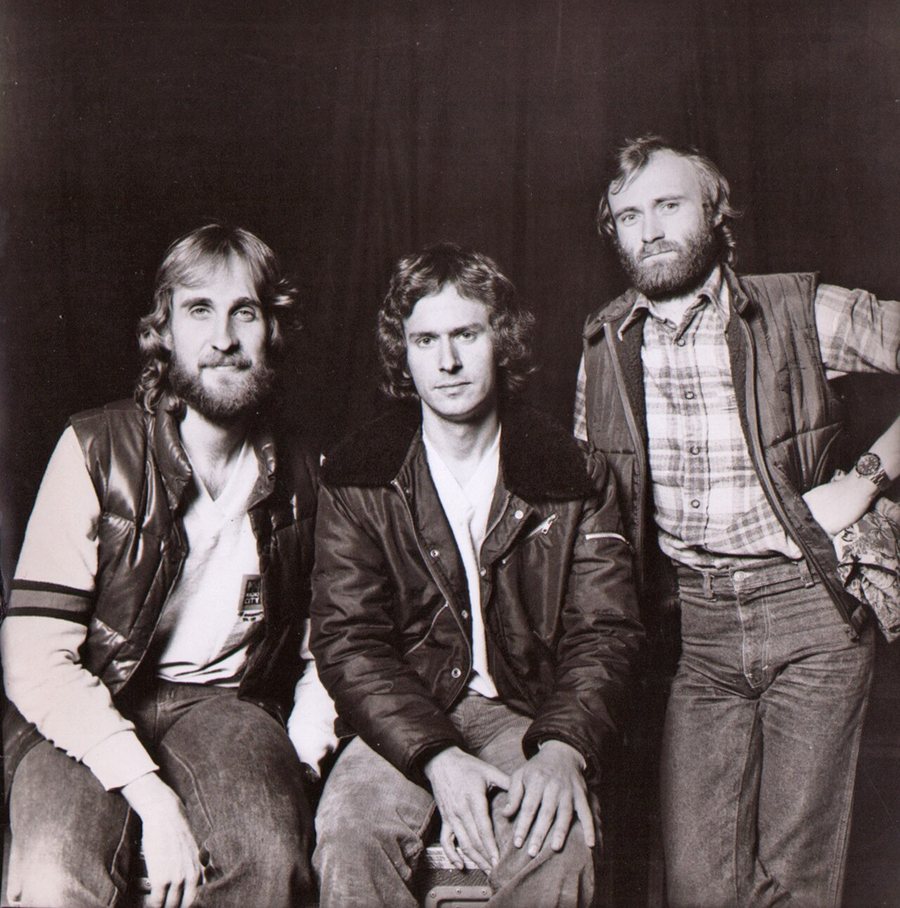
When Gabriel left in 1975, many expected the band to end. Instead Collins took over lead vocals on A Trick of the Tail (1976) and Wind and Wuthering (1976). Hackett left in 1977, and the remaining three made ...And Then There Were Three... (1978), which gave them their first big hit, Follow You Follow Me.
From prog to pop
Duke (1980), Abacab (1981) and Genesis (1983) all reached number one in the UK. They were shorter, sharper and more rhythmic, with a drum-machine sound and hits like Turn It On Again, Abacab and Mama.
Invisible Touch (1986) was their biggest album, and the title song reached number one in the US. The video for Land of Confusion used puppets from the British TV show Spitting Image.
We Can’t Dance and a new singer
We Can’t Dance (1991) was their last album with Collins before he left, with I Can’t Dance, No Son of Mine and Jesus He Knows Me. Collins left in 1996. The group made one album with Ray Wilson as singer, ...Calling All Stations... (1997), and then paused.
Reunions and the Last Domino
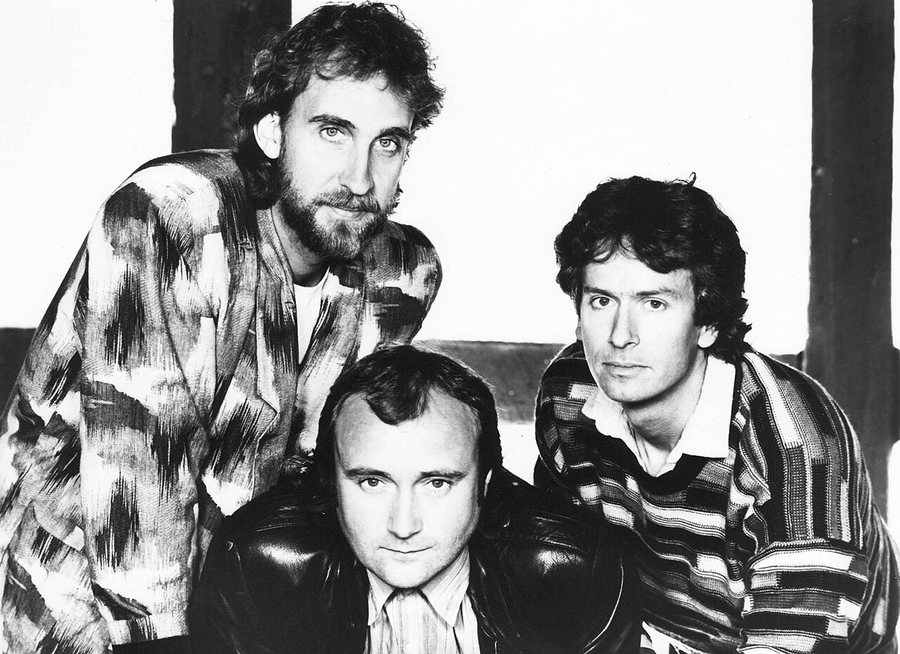
Banks, Rutherford and Collins reunited for the Turn It On Again tour in 2006 and 2007, including a big concert at the Circus Maximus in Rome. They were inducted into the Rock and Roll Hall of Fame in 2010.
The Last Domino? tour of 2021 and 2022 was their farewell tour, with Collins singing and Nic Collins, his son, on drums.
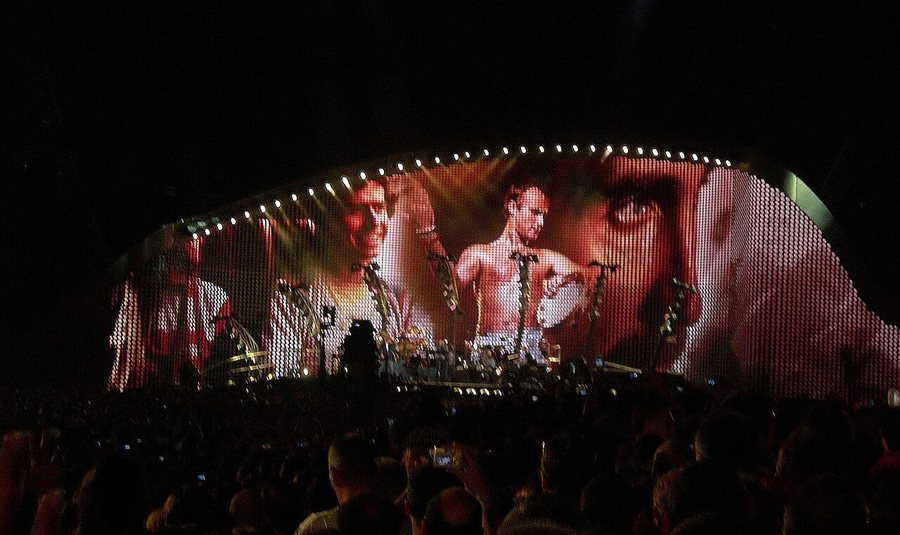
Band members
Peter Gabriel
The first singer, known for masks, costumes and long story songs. He left in 1975 and became a major solo artist.
Phil Collins
Joined as a drummer and became the lead singer after Gabriel left. He was also a huge solo star in the 1980s.
Tony Banks
A founder who played on every Genesis studio album. His keyboards are central to the band’s sound.
Mike Rutherford
A founder who also played on every studio album, on bass and guitar. He also leads the band Mike and the Mechanics.
Steve Hackett
The guitarist on the progressive-rock albums of the 1970s, known for his smooth, singing tone. He left in 1977 and has toured Genesis songs under his own name.
Ray Wilson
The Scottish singer who replaced Collins for the 1997 album Calling All Stations.
Albums in order
| Year | Album | In a sentence |
|---|---|---|
| 1969 | From Genesis to Revelation | The schoolboy debut. |
| 1970 | Trespass | The first album with the band’s own style. |
| 1971 | Nursery Cryme | The first with Collins and Hackett. |
| 1972 | Foxtrot | Includes Supper’s Ready. |
| 1973 | Selling England by the Pound | Includes I Know What I Like. |
| 1974 | The Lamb Lies Down on Broadway | A double concept album. |
| 1976 | A Trick of the Tail | The first without Gabriel. |
| 1976 | Wind and Wuthering | The last with Hackett. |
| 1978 | ...And Then There Were Three... | Includes Follow You Follow Me. |
| 1980 | Duke | A UK number one, with Turn It On Again. |
| 1981 | Abacab | A UK number one, with the title song. |
| 1983 | Genesis | A UK number one, with Mama. |
| 1986 | Invisible Touch | Their biggest-selling album. |
| 1991 | We Can’t Dance | A long, pop-rock record. |
| 1997 | ...Calling All Stations... | The only album with Ray Wilson. |
12 songs that tell the story
I Know What I Like (In Your Wardrobe)
A quirky, English story-song and their first UK hit.
Supper’s Ready
A 23-minute suite that is a favourite of prog fans.
The Carpet Crawlers
A haunting, slow song from the concept album.
Follow You Follow Me
A romantic single that reached the UK top ten.
Turn It On Again
A twisted rhythm that became a concert opener.
Abacab
A sharp, funky title song.
Mama
A dark, drum-machine-driven song and a UK top-five hit.
That’s All
A light pop song with a bouncy piano.
Invisible Touch
The song that went to number one in the US.
Land of Confusion
A song about worry for the world, with a puppet video.
I Can’t Dance
A funny, slow-walking blues-rock single.
No Son of Mine
A serious song about a family that falls apart.
Things you may not know
The band was formed by pupils at Charterhouse School in Surrey.
Peter Gabriel sometimes wore a fox’s head and a red dress on stage.
After Gabriel left, the band auditioned singers before Collins stepped up to the microphone.
Duke, Abacab and Genesis all reached number one in the UK.
The Land of Confusion video used puppets of political leaders from a British satirical TV show.
Tony Banks and Mike Rutherford are the only two members who played on all fifteen studio albums.
Mike Rutherford also led a successful band with that name.
In 1986 Peter Gabriel’s Sledgehammer replaced Genesis’s Invisible Touch at the top of the US chart.
They were inducted into the Rock and Roll Hall of Fame in 2010.
The Last Domino? tour of 2021 and 2022 was their farewell tour.
Where to start
Start with Invisible Touch (1986) and Genesis (1983).
Try Foxtrot and Selling England by the Pound.
Play Follow You Follow Me, Mama and That’s All.
Go to The Lamb Lies Down on Broadway.
Frequently asked questions
Who is the singer of Genesis?
Peter Gabriel until 1975, then Phil Collins, and Ray Wilson on one album in 1997.
Why did Peter Gabriel leave Genesis?
He left in 1975, after The Lamb Lies Down on Broadway tour, to follow his own musical path.
Did Phil Collins sing in Genesis?
Yes. He joined as drummer and became lead singer after Gabriel left.
What is Genesis’s biggest hit?
Invisible Touch (1986), which reached number one in the US.
Is Genesis still together?
The band finished a farewell tour in 2022.
How many studio albums did Genesis make?
Fifteen, from From Genesis to Revelation (1969) to Calling All Stations (1997).
Who was in Genesis?
The best-known members are Peter Gabriel, Phil Collins, Tony Banks, Mike Rutherford and Steve Hackett.
Where can I listen to Genesis online?
You can listen to a continuous Genesis station on Kalisha Radio, on your phone, tablet or computer, with nothing to install.
Where is Genesis from?
Genesis is an English band, formed by pupils at Charterhouse School in Godalming, England, in 1967.
Who was Genesis's drummer?
Phil Collins joined on drums for Nursery Cryme in 1971, and he later took over as the lead singer after Peter Gabriel left in 1975.
Who was Genesis's guitarist?
Steve Hackett played guitar in the band from 1970 to 1977, on its progressive-rock albums.
Who played keyboards in Genesis?
Tony Banks, a founder, played keyboards and played on every Genesis studio album.
More from Kalisha

Enjoyed this? The app is free to start.
Works on iPhone and Android — nothing to install