Pink Floyd: History, Members, Albums and Best Songs
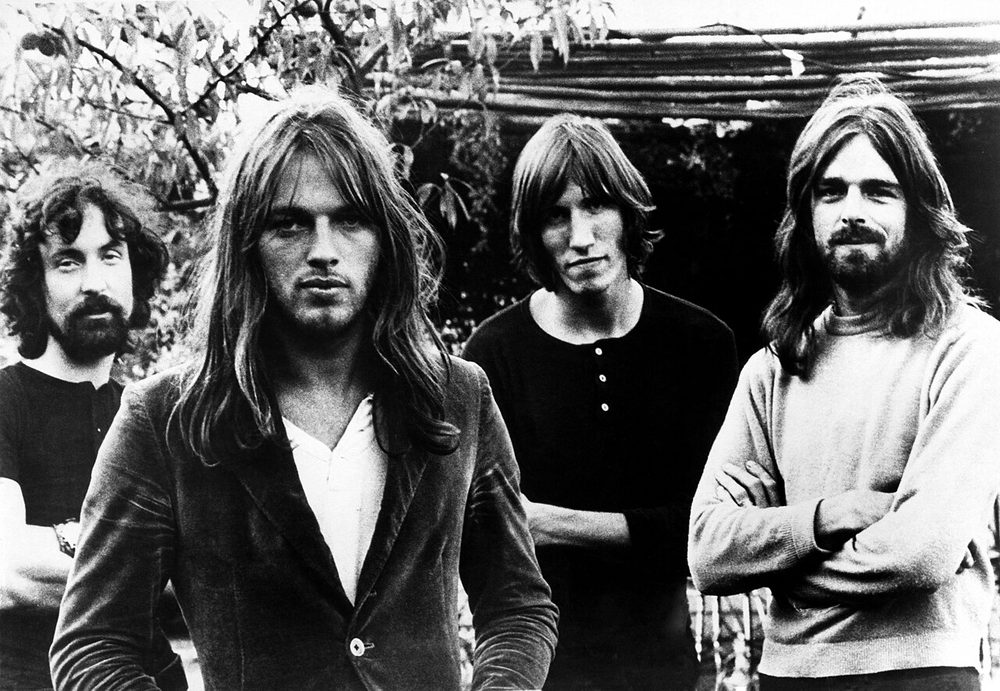
Pink Floyd started in 1965, when a handful of London students (most of them studying architecture) began playing blues covers together, and ended up making some of the most ambitious albums rock has ever seen. They wrote long pieces that felt like journeys, built stage shows that looked like science fiction, and sold an estimated 250 million records. This page is the plain-English guide: who they were, what they made, and where to begin.
Listen to Pink Floyd now
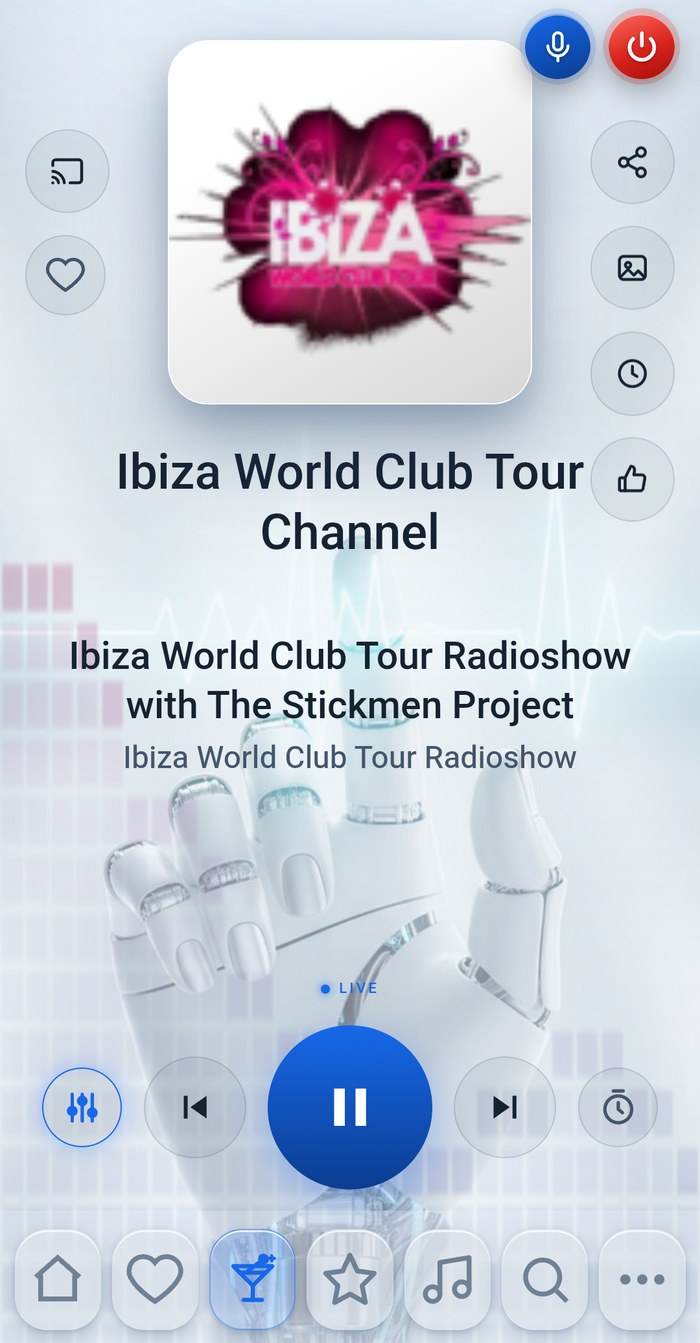
Kalisha has a dedicated Pink Floyd station called Exclusively Pink Floyd: one continuous channel with the band’s songs, free to start, with nothing to install. It is one of the 312 exclusive single-artist channels in the app, and the one with the most votes from listeners.
The short version
Pink Floyd were a British band that moved rock away from three-minute singles and toward whole-album experiences. In the late 1960s they led London’s psychedelic scene under their charismatic founder Syd Barrett. When Barrett’s health collapsed, guitarist David Gilmour joined, and bassist Roger Waters slowly became the band’s main writer and conceptual mind.
Their run from 1973 to 1979 is one of the great streaks in popular music: The Dark Side of the Moon, Wish You Were Here, Animals and The Wall. After Waters left in 1985, the band carried on with Gilmour in charge, and the two sides spent years arguing in public and in court before a famous 2005 reunion.
The story in 5 chapters
London, the UFO Club and a bluesman’s name
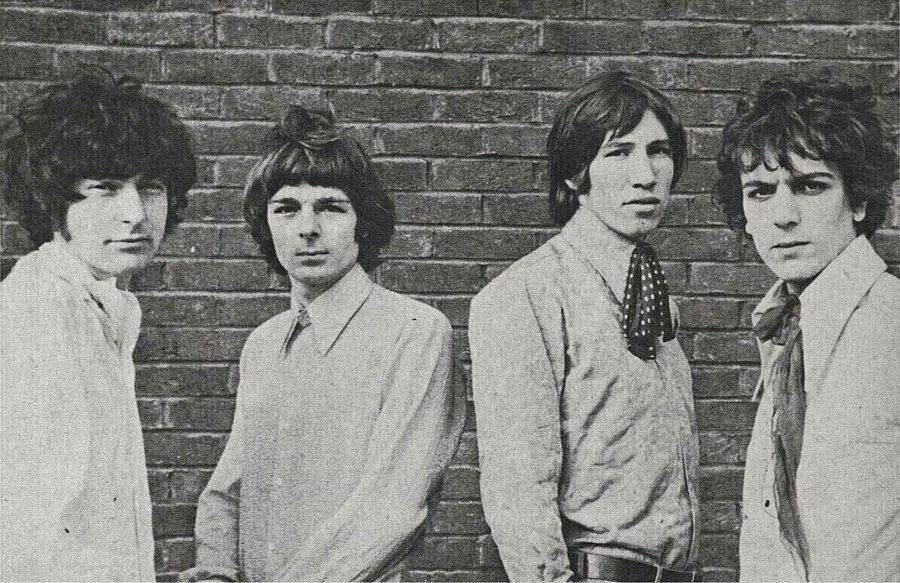
The group came together around students at a London polytechnic: Roger Waters, Nick Mason and Richard Wright, soon joined by their art-school friend Syd Barrett. Barrett came up with the name by putting together the first names of two American blues musicians, Pink Anderson and Floyd Council.
By 1966 they were the house band of London’s underground, playing the UFO Club with hand-made light shows that were years ahead of their time. Two Barrett-written singles, Arnold Layne and See Emily Play, got them on British radio, and their debut album The Piper at the Gates of Dawn arrived in 1967.
Losing Syd and finding a new sound
Barrett’s behaviour became unpredictable, and David Gilmour was brought in as a second guitarist at the end of 1967. Within months Barrett was out. Few expected the band to survive, but they quietly reinvented themselves with A Saucerful of Secrets, two film soundtracks (More and Obscured by Clouds), and the half-live, half-experimental double album Ummagumma.
Atom Heart Mother (1970) came with an orchestra and a cover photo of a cow, with no band name on it. The real breakthrough was Meddle (1971), whose 23-minute closing track Echoes showed that the new line-up could hold a listener for a whole side of vinyl. The same year they played a concert film in the ruins of Pompeii with no audience at all.
The Dark Side of the Moon and Wish You Were Here
The Dark Side of the Moon turned everyday pressure (money, time, conflict, madness) into one continuous piece of music. It was recorded at Abbey Road with engineer Alan Parsons, wrapped in a prism sleeve by the design studio Hipgnosis, and it never really left the charts. It is regularly listed among the best-selling albums of all time, with estimates around 45 million copies.
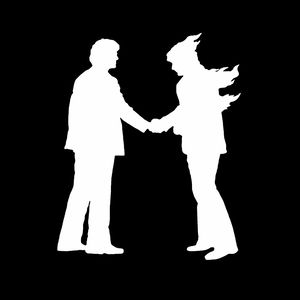
Pink Floyd followed it with Wish You Were Here (1975), a quieter, more personal record about absence and the music business, with a long tribute to Syd Barrett, Shine On You Crazy Diamond, as its centrepiece.
Animals, The Wall and the end of the classic band
Animals (1977) took its structure from George Orwell’s Animal Farm: dogs, pigs and sheep as a portrait of modern society. The tour that followed pushed Waters toward the idea behind The Wall (1979), a rock opera about isolation, with a hit single that reached number one in the UK for Christmas that year.
The Wall shows were built around a real wall of cardboard bricks that grew between the band and the audience during the concert. A film version followed in 1982, directed by Alan Parker. The Final Cut (1983) was essentially a Waters record, and it was the last album with him in the group.
Two camps, one name, one reunion
Waters announced that he was leaving in 1985 and tried to prevent the others from using the Pink Floyd name. After a legal fight, Gilmour and Mason kept the name, brought Richard Wright back, and released A Momentary Lapse of Reason (1987) and The Division Bell (1994), each followed by a huge stadium tour.
On 2 July 2005, at the Live 8 concert in London’s Hyde Park, the four classic members played together for the first time in 24 years. The Endless River (2014) was assembled from unused Division Bell sessions as a tribute to Wright, who died in 2008. In 2022 Gilmour and Mason released a one-off single to raise money for Ukraine.
Band members
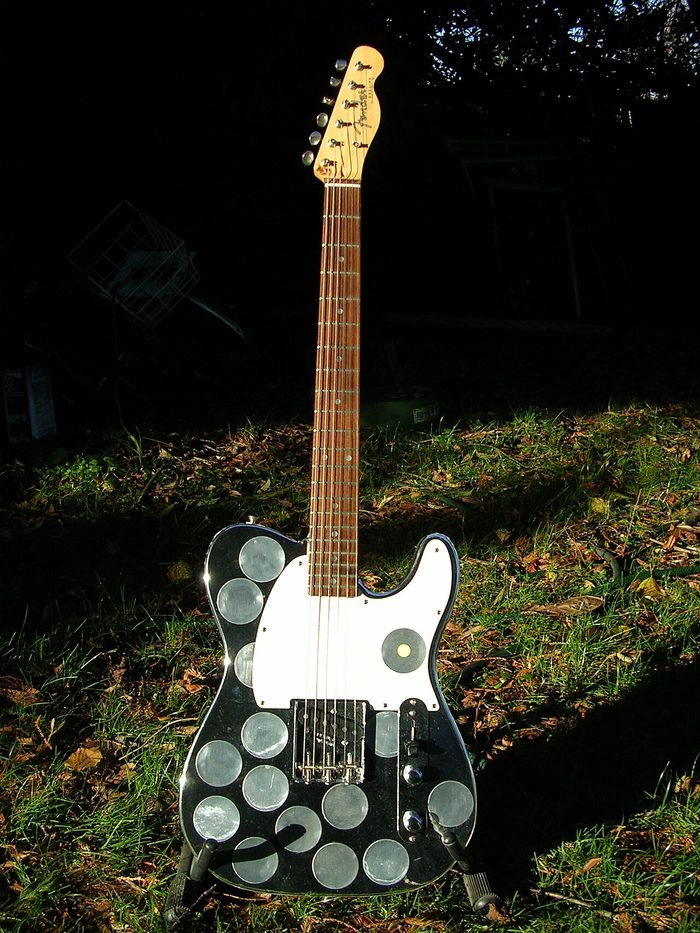 Syd Barrett’s mirrored Fender Esquire guitar. · Photo: Francis pullen · public domain, Wikimedia Commons
Syd Barrett
The band’s first songwriter and the source of its name. He wrote the early singles and most of the debut album, left in 1968, and lived quietly until his death in 2006. Much of Pink Floyd’s later writing was about him.
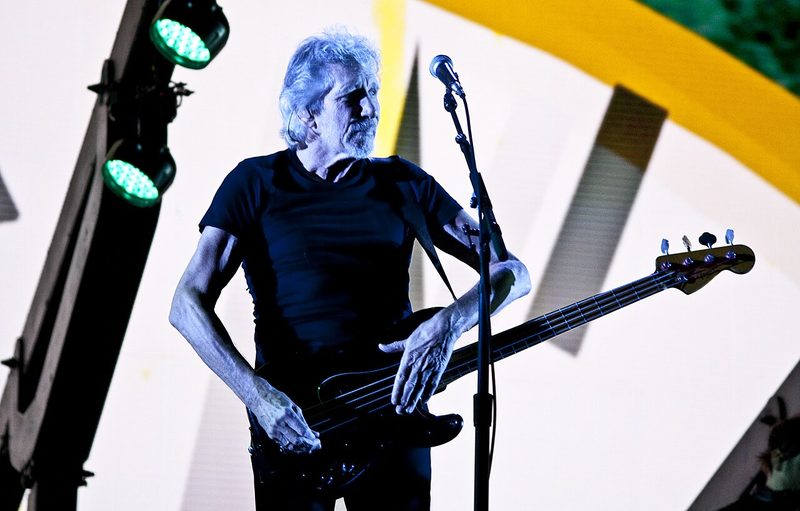 Roger Waters on the Us + Them tour. · Photo: Originaltm · CC BY 4.0, Wikimedia Commons
Roger Waters
Became the main lyricist and the architect of the big concept albums, including Animals and The Wall. He left in 1985 and has continued to perform the band’s songs as a solo artist.
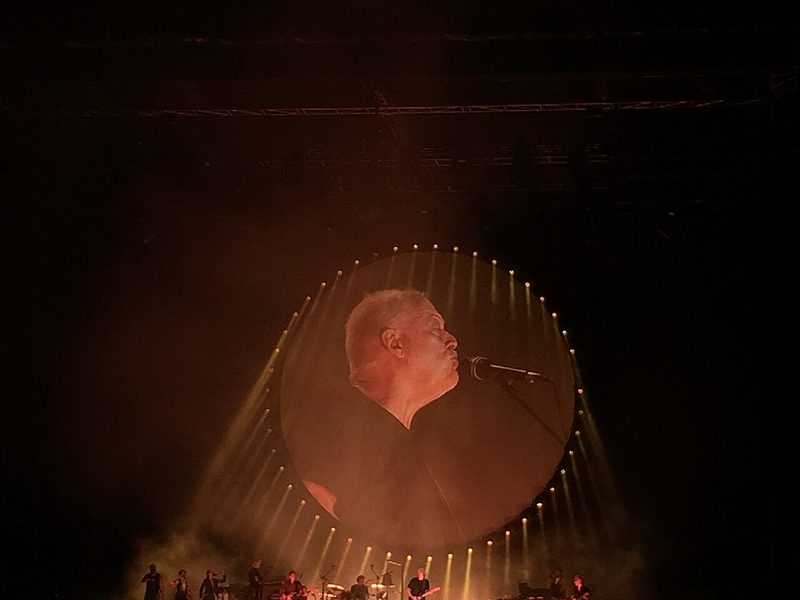 David Gilmour live in Wiesbaden, 2016. · Photo: Jan Hagelskamp1 · CC BY-SA 4.0, Wikimedia Commons
David Gilmour
Joined to cover for Barrett and stayed to become the voice and guitar sound most people think of as Pink Floyd. He led the band after Waters left and is behind the solos on Comfortably Numb.
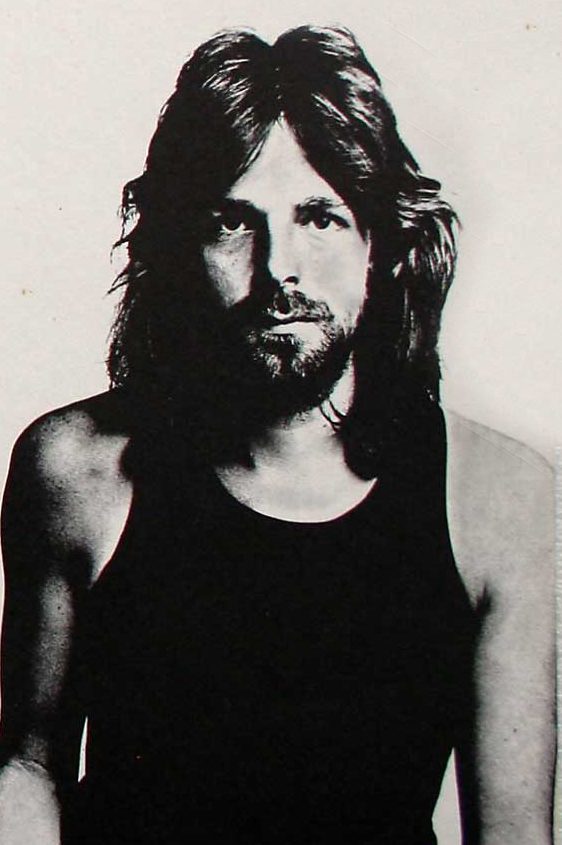 Richard Wright, 1971. · Photo: Capitol Records · public domain, Wikimedia Commons
Richard Wright
The quiet harmonic centre of the group, whose keyboards shaped the sound of Dark Side. He left in 1979, returned in the late 1980s and kept playing with Gilmour until his death in 2008.
 Nick Mason on drums, 2018. · Photo: Raph_PH · CC BY 2.0, Wikimedia Commons
Nick Mason
The only member who played on every Pink Floyd album. He is also the band’s historian and wrote its official history, Inside Out.
Albums in order
| Year | Album | In a sentence |
|---|---|---|
| 1967 | The Piper at the Gates of Dawn | Psychedelic debut, mostly written by Syd Barrett. |
| 1968 | A Saucerful of Secrets | A transition album: Barrett’s last appearance, Gilmour’s first. |
| 1969 | More | Soundtrack for the film of the same name, one of their gentler records. |
| 1969 | Ummagumma | Half live recordings, half solo experiments by each member. |
| 1970 | Atom Heart Mother | Side-long suite with an orchestra and choir; the cow on the cover. |
| 1971 | Meddle | The sound of the classic band arrives, ending with the 23-minute Echoes. |
| 1972 | Obscured by Clouds | Second film soundtrack, with tighter, song-shaped writing. |
| 1973 | The Dark Side of the Moon | The landmark: one continuous album about the pressures of life. |
| 1975 | Wish You Were Here | Absence, fame and a tribute to Syd Barrett. |
| 1977 | Animals | Long, angry songs about society, framed by Orwell’s Animal Farm. |
| 1979 | The Wall | Double rock opera about isolation, the band’s biggest stage show. |
| 1983 | The Final Cut | Waters’ war-themed final record with the group. |
| 1987 | A Momentary Lapse of Reason | Gilmour’s first album as leader, with Mason and Wright on board. |
| 1994 | The Division Bell | Their last full album of new songs, with Wright back as a full member. |
| 2014 | The Endless River | Mostly instrumental, built from 1994 sessions as a tribute to Wright. |
12 songs that tell the story
Interstellar Overdrive
The song that explains the UFO Club years: a short riff that explodes into an improvised wall of noise.
See Emily Play
Barrett’s breakthrough: a whimsical psychedelic pop single that made the British Top 10.
Echoes
A 23-minute piece that opens with a single sonar-like piano note and gradually builds into a full band journey.
Time
Opens with a wall of alarm clocks and turns into a song about wasted years.
Money
Built on a tape loop of cash registers and written in an unusual 7/4 time signature.
Us and Them
A slow, wide-open piano and saxophone piece about conflict and distance.
Shine On You Crazy Diamond
Nine parts, opening and closing the album, written for Syd Barrett.
Wish You Were Here
One of their most loved songs, built around a simple acoustic guitar figure.
Another Brick in the Wall (Part 2)
A disco-tinged hit with a children’s choir, number one in the UK for Christmas 1979.
Comfortably Numb
Two vocal sections by Waters and Gilmour, and a closing guitar solo that is regularly named among the best ever recorded.
Learning to Fly
The first big single of the Gilmour-led era, inspired by his passion for flying.
High Hopes
The closing song of the last full Pink Floyd album, with church bells and a slide guitar finish.
Things you may not know
Syd Barrett combined the first names of bluesmen Pink Anderson and Floyd Council to create the band’s name.
The Dark Side of the Moon stayed on the US Billboard 200 for more than fourteen years, longer than almost any other album.
The Dark Side of the Moon, Wish You Were Here and Atom Heart Mother have covers without the band’s name on the front.
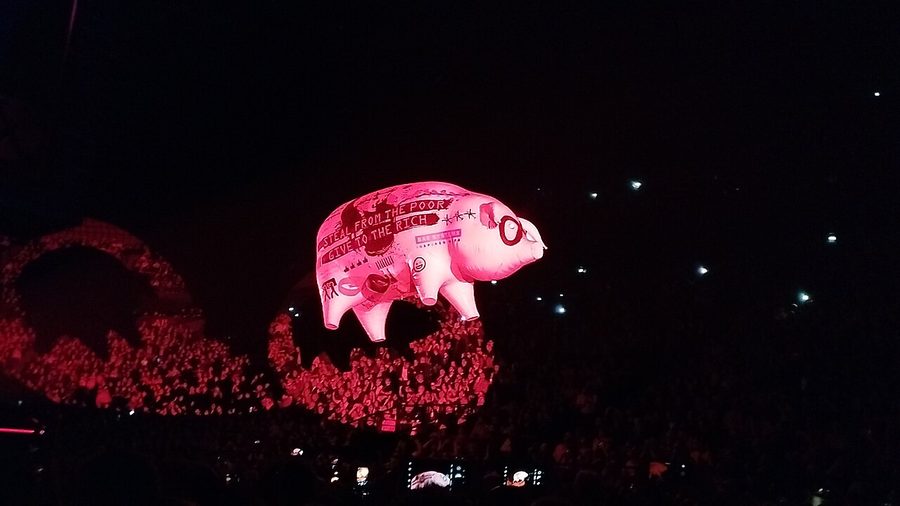
For the cover of Animals, a huge inflatable pig was floated over London’s Battersea Power Station. During the photo shoot it broke loose and drifted away, which caused alerts for passing aircraft.
Singer Clare Torry improvised the wordless vocal on The Great Gig in the Sky in a single studio session, for a fee of £30. In 2005 a settlement added her as a co-writer.
Nick Mason is the only member who plays on every Pink Floyd album.
The 1972 concert film Live at Pompeii was filmed in an empty Roman amphitheatre, with nobody in the audience.
On The Wall tour, crew members built a wall of cardboard bricks across the stage while the band played.
At Live 8 in 2005 the classic four-man line-up shared a stage for the first time since 1981.
In 2022 Gilmour and Mason released a one-off single with Ukrainian singer Andriy Khlyvnyuk to raise money for relief efforts.
Where to start
Start with The Dark Side of the Moon and Wish You Were Here. Listen from start to finish, in order.
Try The Wall or Animals. Both are albums that make more sense as one piece.
Go to The Piper at the Gates of Dawn and Meddle, especially Interstellar Overdrive and Echoes.
The Division Bell has the polished sound of Gilmour’s era, and High Hopes is the song to try first.
Frequently asked questions
Who founded Pink Floyd?
Pink Floyd was formed in London in 1965 by Syd Barrett, Roger Waters, Richard Wright and Nick Mason. David Gilmour joined in 1967 and replaced Barrett in 1968.
Who is in Pink Floyd?
The classic line-up of the 1970s was Roger Waters (bass, vocals), David Gilmour (guitar, vocals), Richard Wright (keyboards) and Nick Mason (drums). Syd Barrett was the original frontman.
What is Pink Floyd’s best-selling album?
The Dark Side of the Moon (1973) is their best-selling album and one of the best-selling albums in history, at roughly 45 million copies.
How many studio albums did Pink Floyd make?
Fifteen, from The Piper at the Gates of Dawn (1967) to The Endless River (2014).
Why did Roger Waters leave Pink Floyd?
Waters left in 1985 after creative and personal conflicts, believing the band had run its course. He then went to court to stop the others using the name, but Gilmour and Mason kept it.
Is Pink Floyd still together?
The band’s last tour was in 1994 and its last album came out in 2014. The surviving members have said they have no plans for new Pink Floyd albums or tours.
Where does the name Pink Floyd come from?
Syd Barrett took it from the first names of two American blues musicians he admired, Pink Anderson and Floyd Council.
Where can I listen to Pink Floyd online?
You can listen to a continuous Pink Floyd station on Kalisha Radio, on your phone, tablet or computer, with nothing to install.
Who are the members of Pink Floyd?
The classic line-up was Roger Waters (bass, vocals), David Gilmour (guitar, vocals), Richard Wright (keyboards) and Nick Mason (drums). Syd Barrett was the founding frontman.
Where is Pink Floyd from?
Pink Floyd formed in London, England, in 1965.
Who is Pink Floyd named after?
The name combines the first names of two American blues musicians, Pink Anderson and Floyd Council, whose records Syd Barrett liked.
What is The Dark Side of the Moon?
The 1973 Pink Floyd album, one of the best-selling albums of all time. It stayed on the Billboard album chart for years.
What is Wish You Were Here about?
It is widely seen as a tribute to Syd Barrett, the founding member who left the band in 1968.
More from Kalisha

Enjoyed this? The app is free to start.
Works on iPhone and Android — nothing to install