Supertramp: History, Members, Albums and Best Songs
Supertramp were a British band built on two very different songwriters: Roger Hodgson, with his high, boyish voice and electric piano, and Rick Davies, with his bluesy growl and keyboards. Together they blended progressive rock with pop hooks and sold, by one estimate, more than 60 million albums. This page is the plain-English guide: who they were, what they made, and where to begin.
Listen to Supertramp now
Kalisha has a dedicated Supertramp station called Exclusively Supertramp: one continuous channel with the band’s songs, free to start, with nothing to install. It is one of the 312 exclusive single-artist channels in the app.
The short version
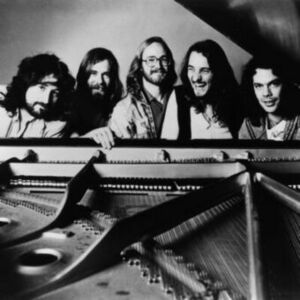
Supertramp started in London in 1970 when a Dutch millionaire backed keyboard player Rick Davies, who teamed up with bassist and singer Roger Hodgson. Their first two albums sold poorly, but Crime of the Century (1974) made them stars, and Breakfast in America (1979) went to number one in the US and Canada with The Logical Song and Take the Long Way Home.
Hodgson left in 1983. Davies kept the band going, with long gaps, until its last concert in 2012. Rick Davies died in 2025, and the songs from the classic years still sound as fresh as ever on the radio.
The story in 5 chapters
A millionaire, a tramp and two flops
In 1969 a Dutch millionaire, Stanley “Sam” Miesegaes, offered keyboard player Rick Davies the money to form a new group. Davies found a young bassist and singer, Roger Hodgson, and the pair began to write songs together. After a short spell as “Daddy”, the band took the name Supertramp from the book The Autobiography of a Super-Tramp by W. H. Davies.
Their self-titled debut came out in 1970 and Indelibly Stamped in 1971. Critics were polite, but few people bought them, and by 1972 the money had run out and most of the line-up had left.
Crime of the Century
Davies and Hodgson rebuilt the band with bassist Dougie Thomson, saxophonist and woodwind player John Helliwell and drummer Bob Siebenberg. This line-up stayed together for ten years. They spent months in a Somerset cottage writing and rehearsing, and the result was Crime of the Century (September 1974), which reached number four in Britain and began their run of hits with Dreamer and Bloody Well Right.
Crisis? What Crisis? (1975) followed, then Even in the Quietest Moments… (1977), which brought Give a Little Bit and reached number one in Canada. During these years the band moved to Los Angeles.
Breakfast in America
Breakfast in America (March 1979) was the peak. It reached number one in the US and Canada and number three in the UK, and it produced four international hits: The Logical Song, Breakfast in America, Goodbye Stranger and Take the Long Way Home. The live double album Paris (1980) kept the momentum going, and a live version of Dreamer became a big hit.
…Famous Last Words… (1982) added It’s Raining Again. After the world tour that followed, Hodgson announced he would leave in 1983 to spend more time with his family and make solo records.
Davies at the helm
With Davies as the sole leader, Supertramp released Brother Where You Bound (1985), a more serious album whose 16-minute title track has guitar solos by Pink Floyd’s David Gilmour. It also had the hit Cannonball.
Free as a Bird (1987) leaned heavily on synthesisers and sold less, although I’m Beggin’ You topped the US dance chart. After the 1988 tour the group went quiet.
Reunions and a last show
Davies re-formed the band in 1996. Some Things Never Change (1997) and Slow Motion (2002) came out with a new line-up around Davies, Helliwell and Siebenberg. A 35-date European tour, 70-10, followed in 2010.
Supertramp’s last concert was a private show in Madrid in November 2012. A 2015 tour was cancelled after Davies became seriously ill. He died in September 2025, at the age of 81.
Band members
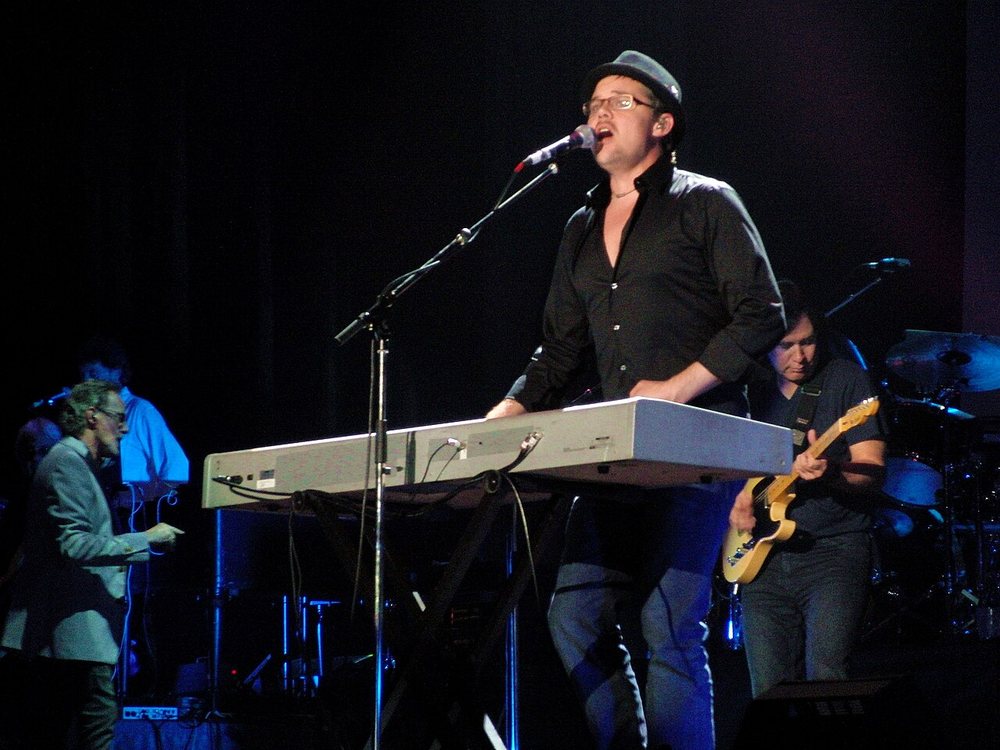
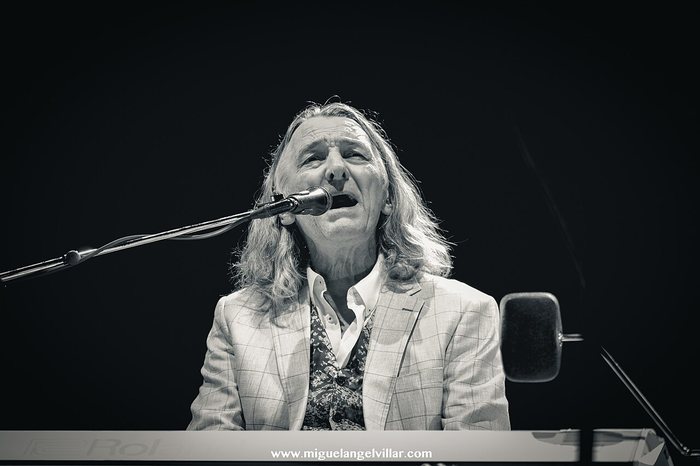 Roger Hodgson performing in 2018. · Photo: Miguel Angel Villar Fotógrafo · CC BY 2.0, Wikimedia Commons
Roger Hodgson
The high voice behind The Logical Song, Dreamer, Breakfast in America and Take the Long Way Home. He left in 1983 and has played the songs on his own world tours since.
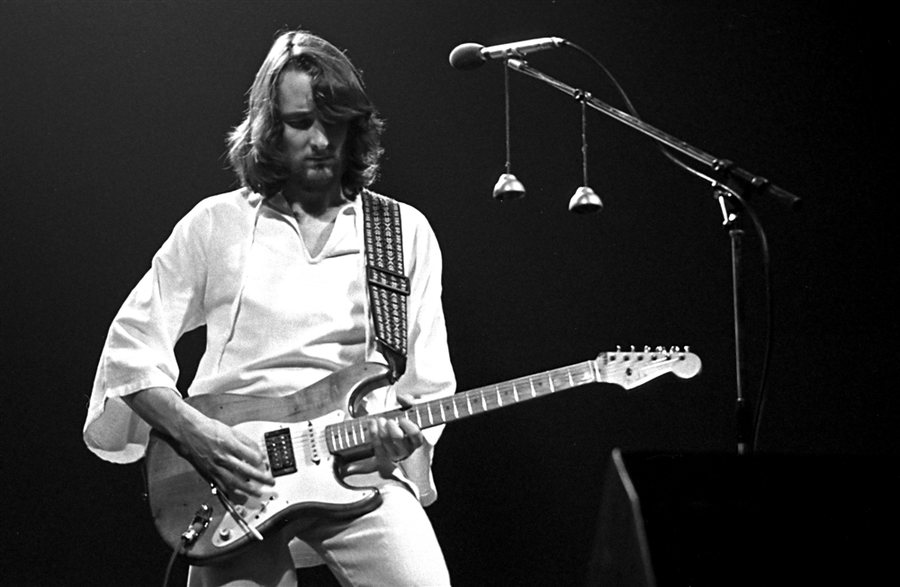
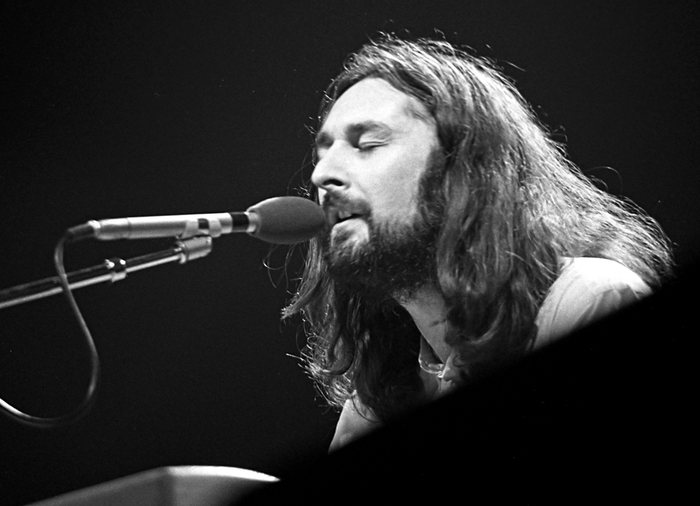 Rick Davies live in Zurich, 1979. · Photo: Ueli Frey · CC BY-SA 4.0, Wikimedia Commons
Rick Davies
The founder and the one constant in every line-up. His bluesy voice and keyboards drove Goodbye Stranger, Bloody Well Right and Cannonball.
John Helliwell
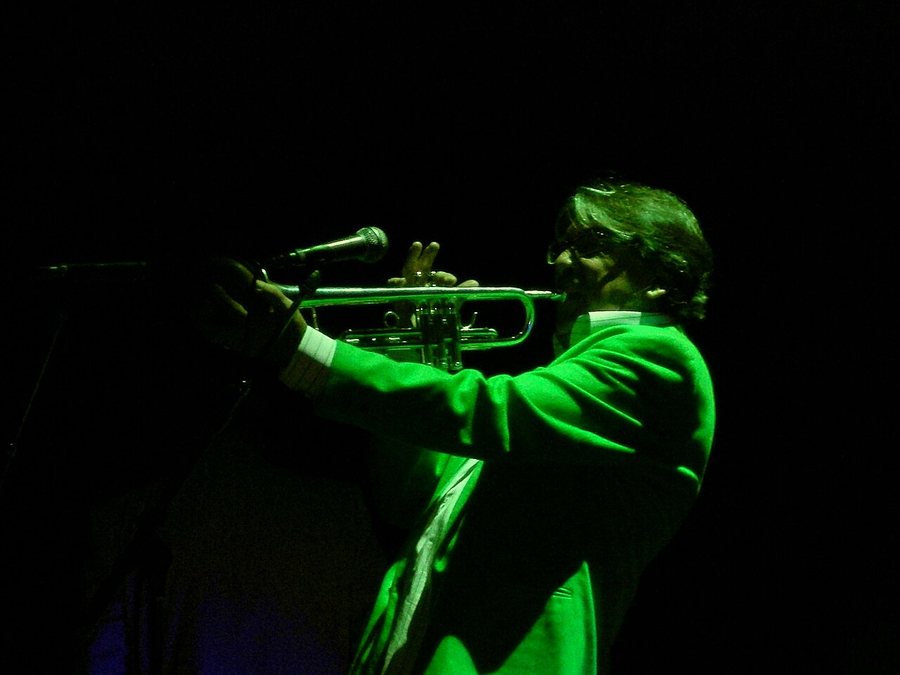
Part of the classic line-up. His saxophone and woodwinds were an important part of the band’s sound.
Dougie Thomson and Bob Siebenberg
Bassist Dougie Thomson joined in 1972 and drummer Bob Siebenberg in 1973. Together they gave the band its steady, polished rhythm section.
Albums in order
| Year | Album | In a sentence |
|---|---|---|
| 1970 | Supertramp | The debut, more progressive rock than pop. |
| 1971 | Indelibly Stamped | A second album that sold even less. |
| 1974 | Crime of the Century | The breakthrough, with Dreamer and Bloody Well Right. |
| 1975 | Crisis? What Crisis? | Recorded quickly between tours. |
| 1977 | Even in the Quietest Moments… | Includes Give a Little Bit. |
| 1979 | Breakfast in America | Their biggest album, number one in the US and Canada. |
| 1982 | …Famous Last Words… | The last album with Hodgson; includes It’s Raining Again. |
| 1985 | Brother Where You Bound | Includes Cannonball and a long title track. |
| 1987 | Free as a Bird | A synth-heavy experiment. |
| 1997 | Some Things Never Change | The comeback, with a more classic sound. |
| 2002 | Slow Motion | The final studio album. |
12 songs that tell the story
School
The album opener, with its harmonica and school-day atmosphere.
Bloody Well Right
A Davies rocker that reached the US top 40.
Dreamer
Written by Hodgson and the band’s first hit in the UK.
Give a Little Bit
A gentle, singalong plea that Hodgson wrote years earlier.
Fool’s Overture
A grand, many-part piece with the sound of Churchill’s voice in it.
The Logical Song
A hit in many countries and probably their best-known song.
Goodbye Stranger
Davies’s upbeat, keyboard-driven hit.
Breakfast in America
The playful title song, a top-10 hit in the UK.
Take the Long Way Home
A reflective song with a harmonica and a big chorus.
It’s Raining Again
A bouncy, bright single from Hodgson’s last album with the band.
Cannonball
A Davies single, built around a catchy riff.
I’m Beggin’ You
A dance-floor track that topped the US dance chart.
Things you may not know
The band took its name from The Autobiography of a Super-Tramp, a 1908 book by W. H. Davies.
Before they were Supertramp the group performed as “Daddy”.
The band lived and rehearsed together in a country cottage while writing Crime of the Century.
After the second album, Hodgson and Davies wrote their songs separately. Hodgson’s were usually the higher, sweeter ones; Davies’s the bluesier ones.
Crime of the Century and Breakfast in America each earned a diamond certificate in Canada, for ten times platinum sales.
Hodgson wrote Give a Little Bit when he was only 19 or 20, years before the band recorded it.
David Gilmour of Pink Floyd played guitar solos on the title track of Brother Where You Bound.
The live version of Dreamer, from the 1980 album Paris, became a number-one hit in Canada.
I’m Beggin’ You reached number one on the US dance chart in 1987.
By one estimate Supertramp had sold more than 60 million albums by 2007.
Where to start
Start with Breakfast in America (1979) and Crime of the Century (1974).
Try The Logical Song, Give a Little Bit and Take the Long Way Home.
Play Goodbye Stranger, Bloody Well Right and Cannonball.
Go to Fool’s Overture, Crime of the Century and the title track of Brother Where You Bound.
Frequently asked questions
Who sang The Logical Song?
Roger Hodgson sang it. He wrote the song and was the voice of many of Supertramp’s biggest hits.
Who were the two main members of Supertramp?
Rick Davies and Roger Hodgson, who founded the band and wrote almost all of its songs.
Why did Roger Hodgson leave Supertramp?
He announced in 1983 that he would leave after the tour to spend more time with his family and to make solo recordings.
What is Supertramp’s best-selling album?
Breakfast in America (1979), which reached number one in the US and Canada.
How many studio albums did Supertramp make?
Eleven, from Supertramp (1970) to Slow Motion (2002).
Is Supertramp still together?
No. The band’s last concert was in 2012, and founder Rick Davies died in 2025.
Where does the name Supertramp come from?
From the book The Autobiography of a Super-Tramp by W. H. Davies.
Where can I listen to Supertramp online?
You can listen to a continuous Supertramp station on Kalisha Radio, on your phone, tablet or computer, with nothing to install.
How did Supertramp form?
In 1969 a Dutch millionaire, Stanley "Sam" Miesegaes, offered keyboard player Rick Davies the money to form a group, and Davies teamed up with bassist and singer Roger Hodgson.
Where is Supertramp from?
Supertramp were a British band formed in London, England, in 1970.
Who is Roger Hodgson?
Roger Hodgson was the high-voiced vocalist and keyboard player who sang The Logical Song, Dreamer and Take the Long Way Home. He left the band in 1983.
How old was Rick Davies when he died?
Rick Davies died in September 2025, at the age of 81.
More from Kalisha

Enjoyed this? The app is free to start.
Works on iPhone and Android — nothing to install