Tears for Fears: History, Members, Albums and Best Songs
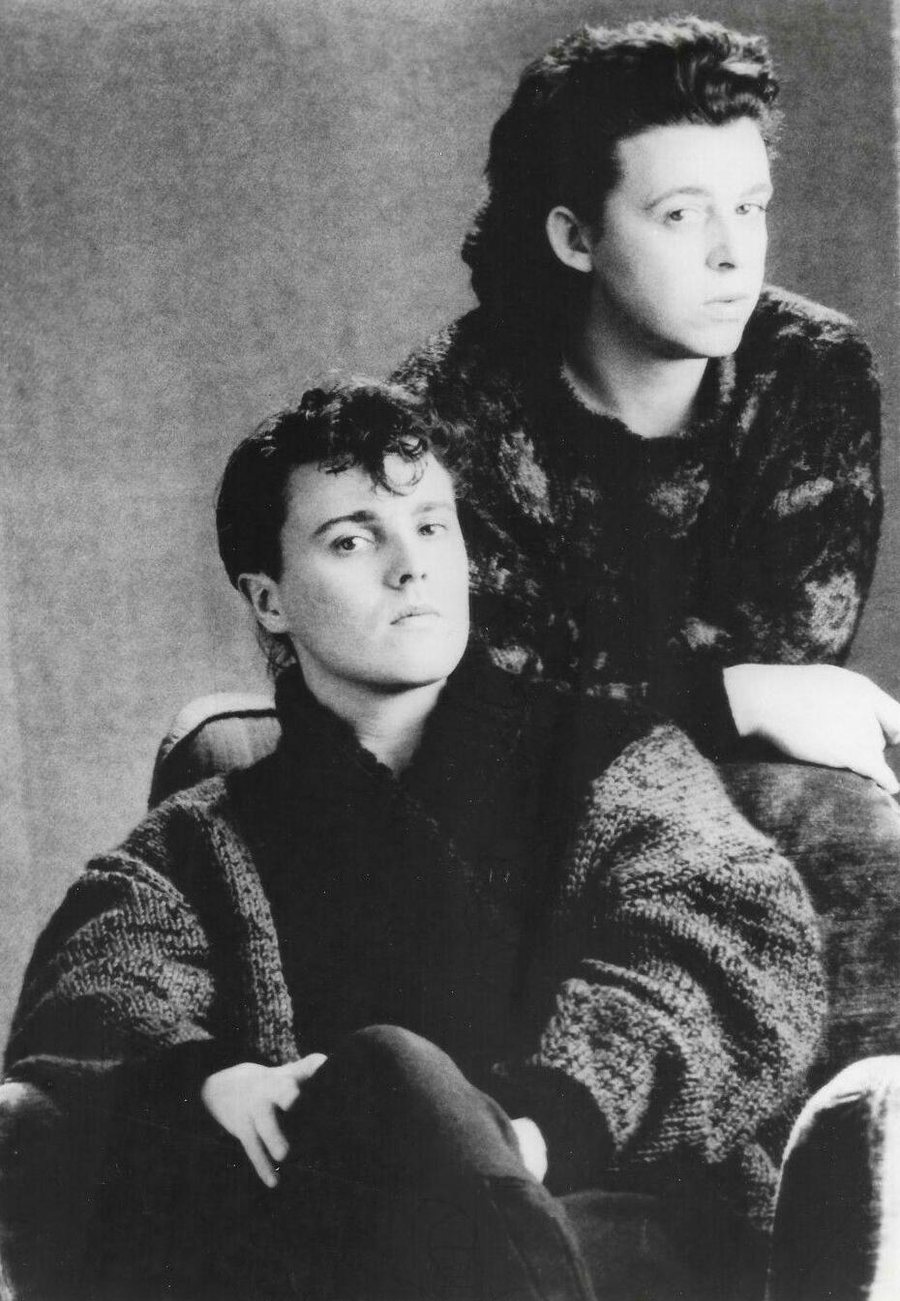
Tears for Fears are an English duo, Roland Orzabal and Curt Smith, who met as teenagers in Bath and went on to make some of the biggest pop records of the 1980s. Their songs mix big synthesisers, guitars and thoughtful lyrics, and they are still touring and recording. This page is the plain-English guide: who they are, what they made, and where to begin.
Listen to Tears for Fears now
Kalisha has a dedicated Tears for Fears station called Exclusively Tears for Fears: one continuous channel with the duo’s songs, free to start, with nothing to install. It is one of the 312 exclusive single-artist channels in the app.
The short version
Tears for Fears formed in 1981 after Roland Orzabal and Curt Smith left their first band, Graduate. Their debut The Hurting (1983) went to number one in the UK with Mad World, Change and Pale Shelter. Then Songs from the Big Chair (1985) made them global stars, with Shout and Everybody Wants to Rule the World both reaching number one in the US.
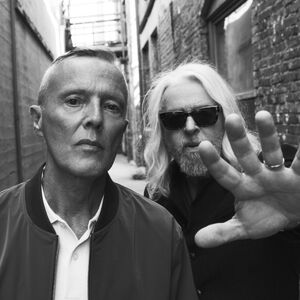
The duo split in 1991, and Orzabal kept the name for two albums. They reunited around 2000 and in 2022 released The Tipping Point, their first new studio album in 18 years, which reached number two in the UK.
The story in 5 chapters
From Graduate to The Hurting
Orzabal and Smith met as teenagers in Bath and played in a mod-revival band called Graduate. When it split in 1981 they turned to synthesisers, inspired by acts like OMD, Depeche Mode and Talking Heads. The name Tears for Fears came from primal therapy, a method developed by the psychologist Arthur Janov.
Their third single, Mad World, reached number three in the UK in late 1982. The debut album The Hurting (March 1983) went to number one, with Change and Pale Shelter also in the UK top five.
Songs from the Big Chair
Shout (late 1984) was the single that made them international stars, and Songs from the Big Chair (February 1985) followed. The album stayed at number one in the US for five weeks in the summer of 1985 and spawned Everybody Wants to Rule the World, Head over Heels and I Believe.
Everybody Wants to Rule the World won the Brit Award for Best British Single in 1986. During the tour the duo also discovered the American singer and pianist Oleta Adams, who later worked with them.
The Seeds of Love
The third album took years. Made with keyboard player Nicky Holland and many studios, The Seeds of Love (1989) mixed jazz, blues and Beatles-like influences. It entered the UK chart at number one, with Sowing the Seeds of Love and Woman in Chains, which featured Oleta Adams and Phil Collins on drums.
After the world tour, Orzabal and Smith had a bitter falling out and parted company in 1991.
Orzabal on his own, then a reunion
Orzabal kept the Tears for Fears name and made Elemental (1993), which had the hit Break It Down Again, and Raoul and the Kings of Spain (1995), which had a Latin flavour.
Around 2000 the two men began to talk again and decided to write together. The 2003 single of Mad World by Michael Andrews and Gary Jules, made for the film Donnie Darko, reached number one in the UK and introduced the song to a new generation.
A new chapter
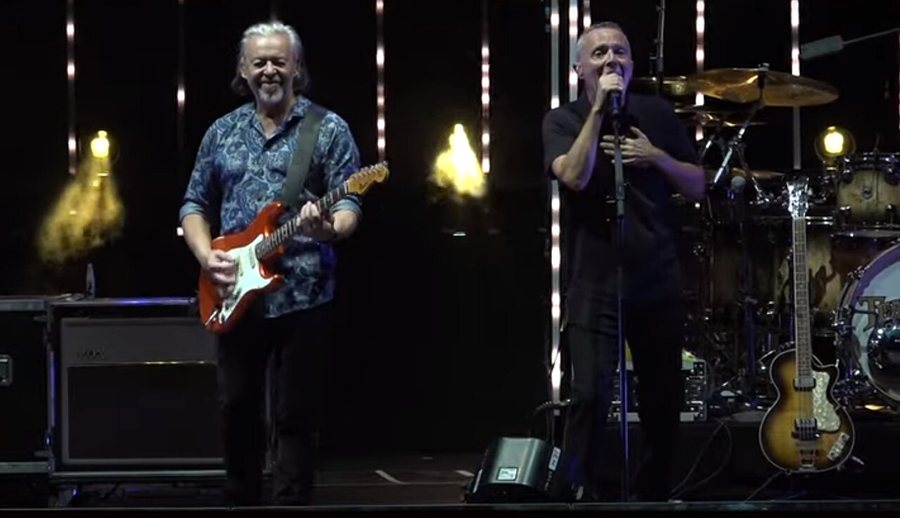
Everybody Loves a Happy Ending (2004) was the first album since the reunion, and the duo toured regularly in the years after. The Tipping Point (2022) took almost a decade to finish and reached number two in the UK and number eight in the US. Orzabal wrote much of it after the death of his wife in 2017.
In 2021 they received an Ivor Novello Award for Outstanding Song Collection. A live album with four new songs, Songs for a Nervous Planet, came out in 2024, and a 40th-anniversary edition of Songs from the Big Chair in November 2025.
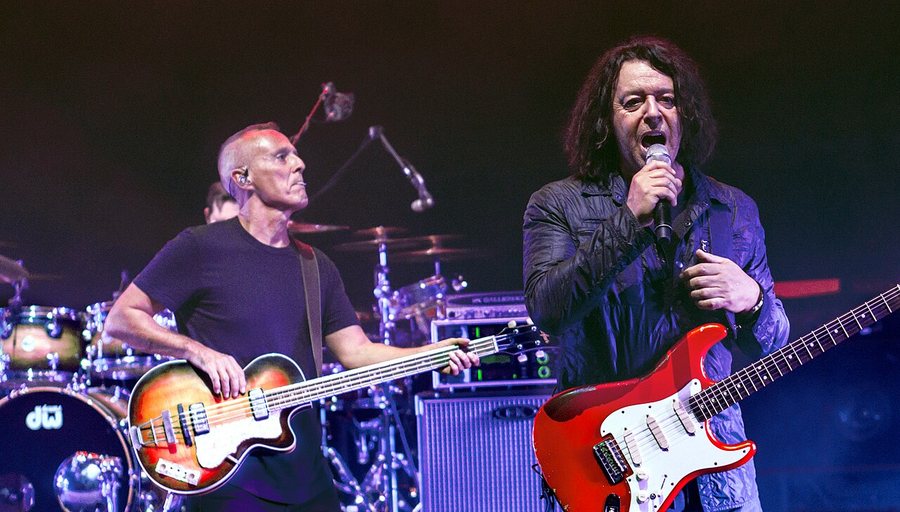
Band members
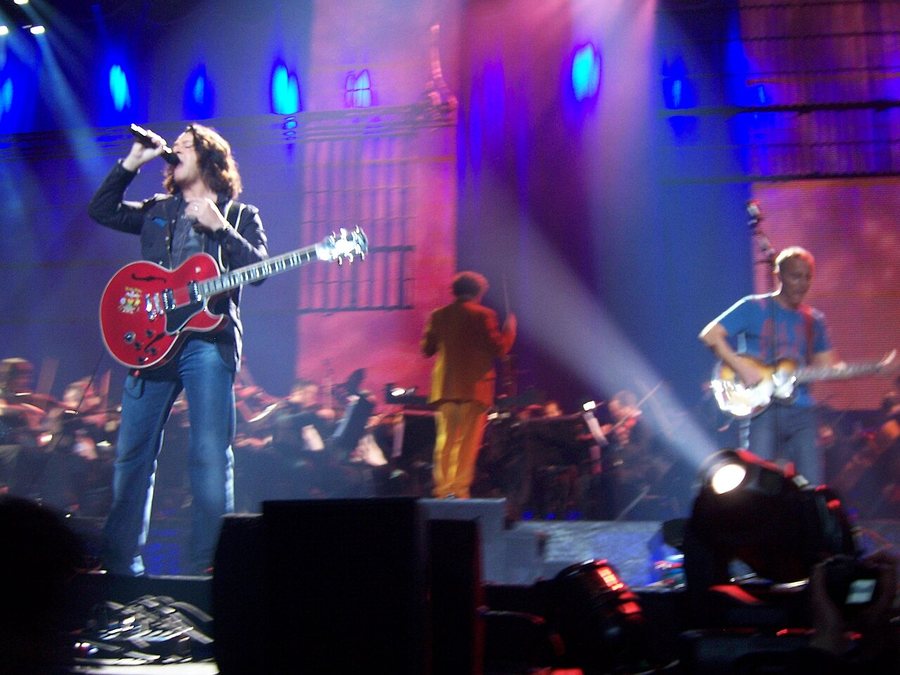
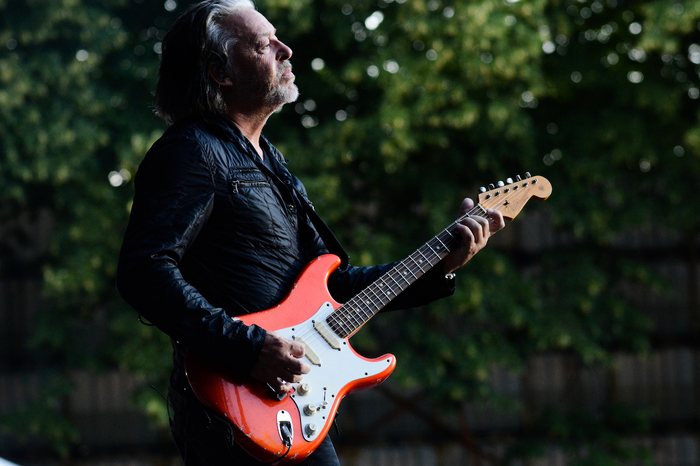 Roland Orzabal playing at the KUNST!Rasen festival in Bonn, Germany. · Photo: JamesDFern · CC BY-SA 4.0, Wikimedia Commons
Roland Orzabal
The guitarist and chief songwriter, and the voice of Everybody Wants to Rule the World. He kept the band going under the Tears for Fears name during the 1990s.
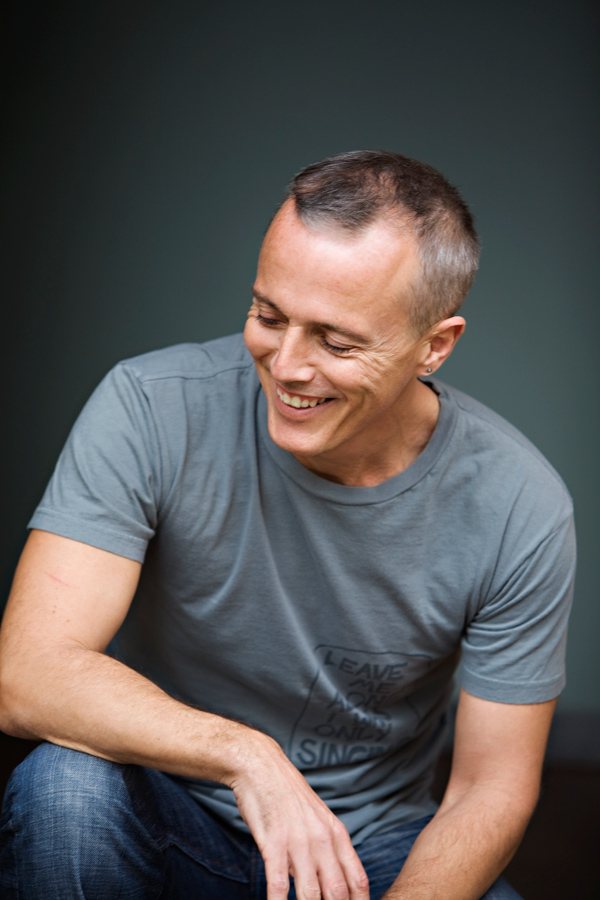 Curt Smith, English musician, singer and songwriter. · Photo: Justine Ungaro <http://www.justineungaro.com/> · CC BY-SA 3.0, Wikimedia Commons
Curt Smith
The bass player and the voice of Mad World, Pale Shelter and Shout. He left in 1991 and came back around 2000.
Ian Stanley and Manny Elias
Keyboard player Ian Stanley and drummer Manny Elias helped create the sound of the first two albums.
Charlton Pettus and the touring band
Songwriter Charlton Pettus has worked with the duo since the reunion, and a group of touring musicians joins them on stage.
Albums in order
| Year | Album | In a sentence |
|---|---|---|
| 1983 | The Hurting | The debut, a UK number one, with Mad World and Change. |
| 1985 | Songs from the Big Chair | The global breakthrough, with Shout and Everybody Wants to Rule the World. |
| 1989 | The Seeds of Love | A long-awaited third album that entered the UK chart at number one. |
| 1993 | Elemental | Orzabal’s solo album under the band name, with Break It Down Again. |
| 1995 | Raoul and the Kings of Spain | A more thoughtful record with Latin touches. |
| 2004 | Everybody Loves a Happy Ending | The reunion album; includes Closest Thing to Heaven. |
| 2022 | The Tipping Point | A critically praised return, number two in the UK. |
12 songs that tell the story
Mad World
A haunting, synth-led song that reached number three in the UK.
Change
A glossy early hit, and their first single in the US chart.
Pale Shelter
A re-recorded second attempt at an earlier single, and a UK top-five hit.
Shout
The stomping anthem that reached number one in the US.
Everybody Wants to Rule the World
Their biggest song and a number one in the US and Canada.
Head over Heels
A piano-led single that reached number three in the US.
Mothers Talk
A dark, stuttering single released ahead of the big album.
Sowing the Seeds of Love
A bright, Beatles-flavoured top-five hit.
Woman in Chains
A serious duet with Oleta Adams and Phil Collins on drums.
Break It Down Again
A big hit from the Orzabal-led years.
Closest Thing to Heaven
The reunion single, their first UK top 40 hit in a decade.
The Tipping Point
The title song of their latest studio album.
Things you may not know
The band was named after primal therapy, a method developed by the psychologist Arthur Janov.
Orzabal and Smith began in a mod-revival band that released one album, Acting My Age, in 1980.
The 2003 version of Mad World by Gary Jules and Michael Andrews was number one in the UK for three weeks.
Shout and Everybody Wants to Rule the World both topped the US chart in 1985.
Everybody Wants to Rule the World won Best British Single in 1986.
Songs from the Big Chair spent five weeks at number one in the US.
The album title was inspired by the book and miniseries Sybil.
The Seeds of Love took years to make and reportedly cost over a million pounds.
A slowed-down sample of The Hurting is heard in the intro to Band Aid’s 1984 charity single.
In 2021 the duo were honoured for Outstanding Song Collection by the Ivor Novello Awards.
Where to start
Start with Songs from the Big Chair (1985) and The Seeds of Love (1989).
Try Mad World, Pale Shelter and Change.
Play Shout, Head over Heels and Everybody Wants to Rule the World.
Go to The Tipping Point (2022) and the single No Small Thing.
Frequently asked questions
Who are the members of Tears for Fears?
Roland Orzabal and Curt Smith, a duo from Bath, England.
What is Tears for Fears’ biggest hit?
Everybody Wants to Rule the World, which reached number one in the US and number two in the UK.
Why are they called Tears for Fears?
The name comes from primal therapy, developed by the psychologist Arthur Janov.
Who sang Mad World?
Curt Smith sang the original in 1982. A famous slower cover by Gary Jules and Michael Andrews was a UK number one in 2003.
Did Tears for Fears split up?
Yes. Orzabal and Smith parted in 1991, then began working together again around 2000.
How many studio albums have Tears for Fears made?
Seven, from The Hurting (1983) to The Tipping Point (2022).
Which Tears for Fears album is the best-known?
Songs from the Big Chair (1985), which reached number one in the US.
Where can I listen to Tears for Fears online?
You can listen to a continuous Tears for Fears station on Kalisha Radio, on your phone, tablet or computer, with nothing to install.
How did Tears for Fears start?
Roland Orzabal and Curt Smith met as teenagers in Bath and formed Tears for Fears in 1981, after their first band, Graduate, split up.
Where is Tears for Fears from?
Tears for Fears are an English duo from Bath, England.
Who is Curt Smith of Tears for Fears?
Curt Smith is the bass player and vocalist of the duo. He left the band in 1991 and returned around 2000.
Who was the drummer of Tears for Fears?
Drummer Manny Elias was an early member from 1981 to 1987, and he helped create the sound of the first two albums.
More from Kalisha

Enjoyed this? The app is free to start.
Works on iPhone and Android — nothing to install