Depeche Mode: History, Members, Albums and Best Songs
Depeche Mode started in 1980 in Basildon, a new town east of London, when a few teenagers with cheap synthesizers decided guitars were optional. They went from bright pop singles to some of the darkest, most emotional music in electronic rock, and ended up selling an estimated 100 million records and filling stadiums for four decades. This page is the plain-English guide: who they are, what they made, and where to begin.
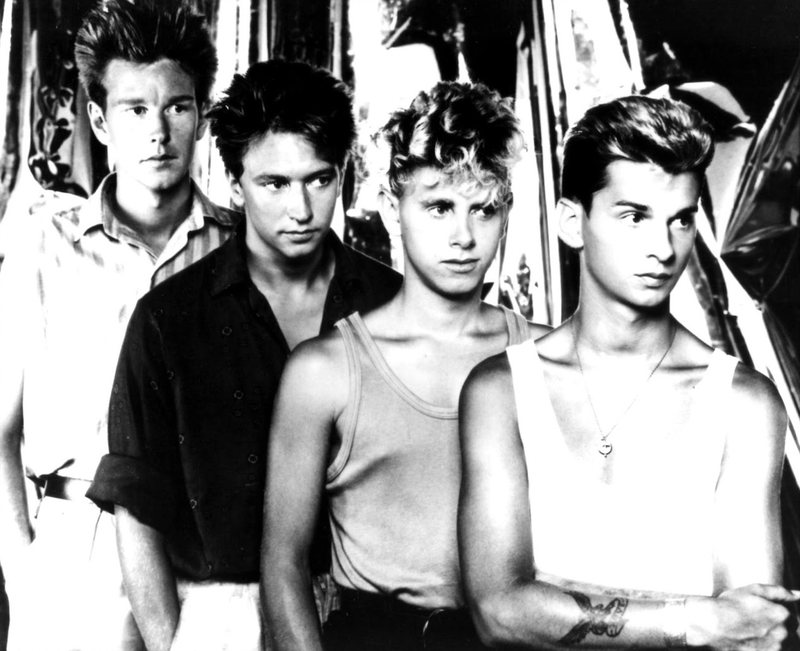
Listen to Depeche Mode now
Kalisha has a dedicated Depeche Mode station called Exclusively Depeche Mode: one continuous channel with the band’s songs, free to start, with nothing to install. It is one of the 312 exclusive single-artist channels in the app.
The short version
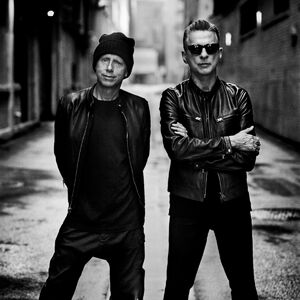
Depeche Mode are an English band built around three constants: singer Dave Gahan, songwriter and multi-instrumentalist Martin Gore, and keyboardist Andy Fletcher. Their first hits were bright synth-pop, written by founding member Vince Clarke, but when Clarke left after one album, Gore took over the writing and steered the band toward darker themes: faith, desire, guilt and power.
The turning point was Violator (1990), the album with Personal Jesus and Enjoy the Silence, which made them one of the biggest bands in the world. They then survived a near-collapse in the mid-1990s, kept making albums into the 2020s, and returned with Memento Mori (2023) as a duo after Fletcher’s death.
The story in 5 chapters
Basildon, a borrowed name and a first hit
The first line-up formed in Basildon, Essex: Vince Clarke, Andy Fletcher and Martin Gore, soon joined by singer Dave Gahan. According to the band’s own account, Clarke asked Gahan to join after hearing him sing David Bowie’s “Heroes” at a jam. The band took its name from a French fashion magazine, Dépêche Mode, which roughly means “fashion news”.
Speak & Spell (1981) was a bright, catchy debut led by Just Can’t Get Enough. Clarke wrote nearly everything, then left in 1981 to form Yazoo, and later Erasure.
Martin Gore takes over
With Clarke gone, Martin Gore began writing the songs and the band added keyboardist Alan Wilder in 1982. A Broken Frame (1982) was a transition record, while Construction Time Again (1983) and Some Great Reward (1984) added industrial sounds, social comment and sharper edges.
Black Celebration (1986) completed the change. It was slower, darker and more personal, and it set the template for everything that followed.
Stadiums, a film and Violator
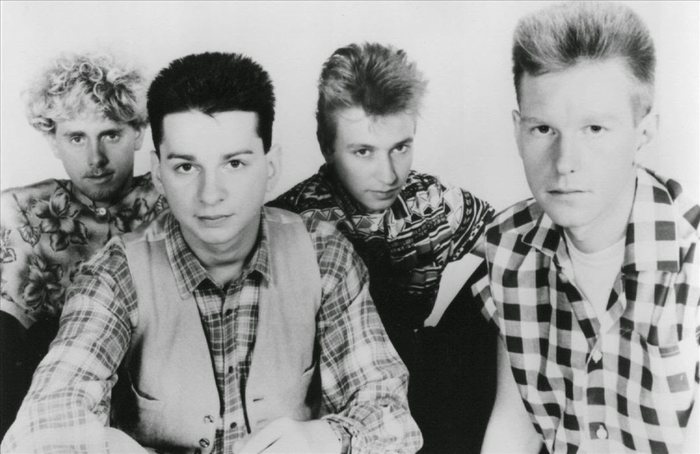
Music for the Masses (1987) lived up to its title: a 1988 concert at the Rose Bowl in Pasadena, California drew tens of thousands and was filmed for the documentary 101, directed by D. A. Pennebaker.
Then came Violator (1990), with Personal Jesus, Enjoy the Silence and Policy of Truth. It is the album most people mean when they say “Depeche Mode”, and it turned a cult band into a global one.
Rock star excess and a near-collapse
Songs of Faith and Devotion (1993) was heavier, with live drums and guitars, and it reached number one in both the UK and the United States. The tour that followed was enormous and exhausting, and the band came close to falling apart.
Alan Wilder left in 1995, and in 1996 Dave Gahan survived a drug overdose. Against many expectations the band regrouped as a trio and released Ultra (1997).
The long second act
Depeche Mode kept releasing albums and touring stadiums: Exciter (2001), Playing the Angel (2005), Sounds of the Universe (2009), Delta Machine (2013) and Spirit (2017). They entered the Rock and Roll Hall of Fame in 2020.
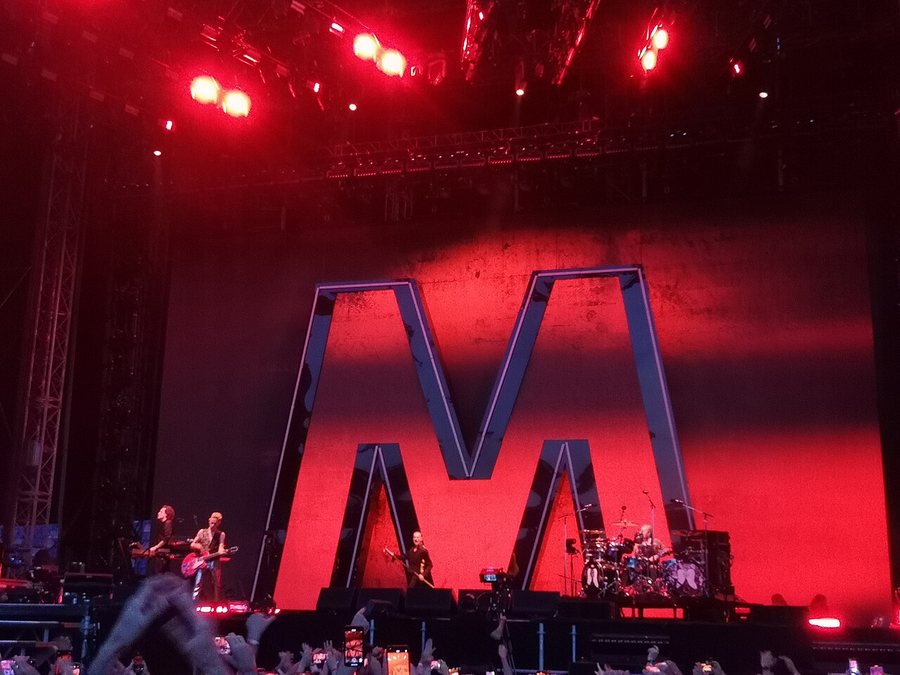
Andy Fletcher died in May 2022. Gahan and Gore carried on as a duo and released Memento Mori (2023), an album about mortality made partly while Fletcher was still alive, followed by a world tour.
Band members
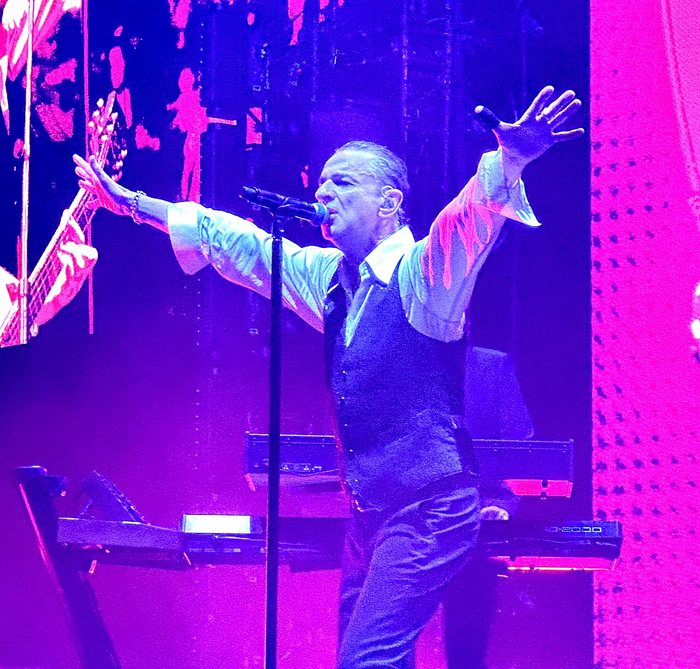 Dave Gahan live in Denver, 2023. · Photo: MerleEllaPatsy · CC0, Wikimedia Commons
Dave Gahan
The voice and the stage presence. He sings Gore’s songs with a darker, rawer edge than the early synth-pop suggested, and has also released solo albums.
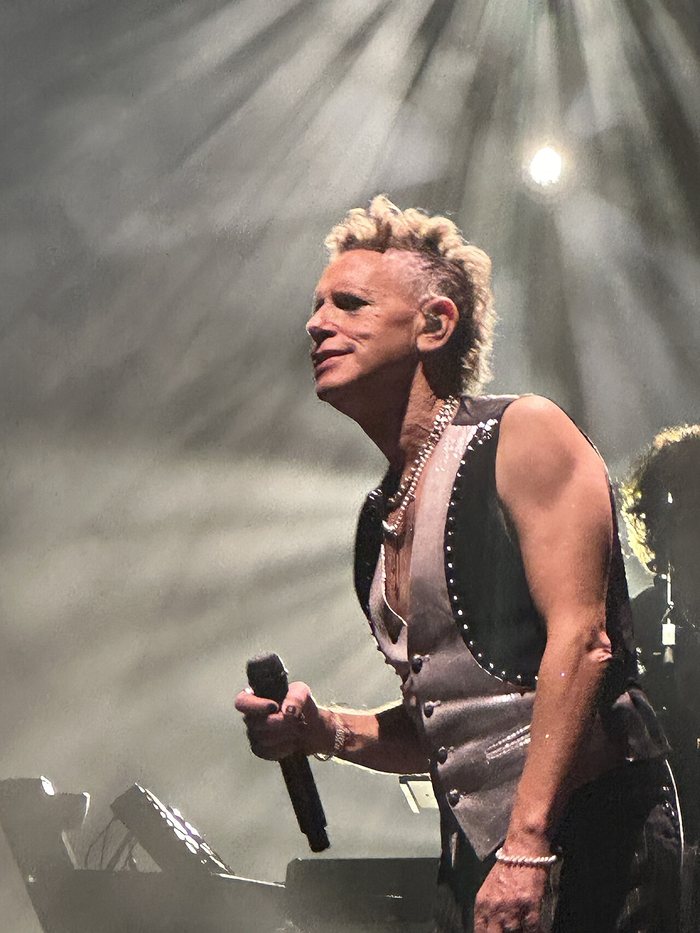 Martin Gore live in Denver, 2023. · Photo: MerleEllaPatsy · CC0, Wikimedia Commons
Martin Gore
The main songwriter since 1981. Quiet off stage, he wrote almost all of the band’s best-known songs and also sings occasional lead vocals.
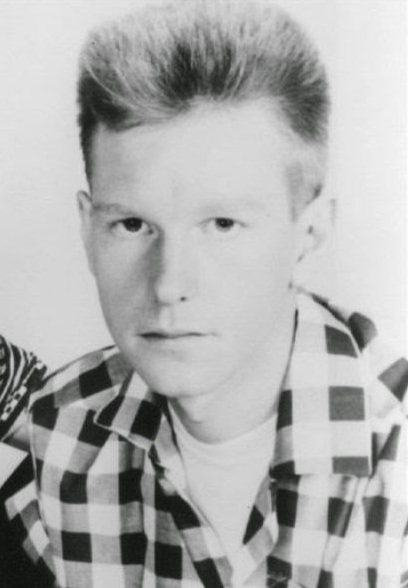 Andy Fletcher, around 1982. · Photo: Distributed by Sire Records. · public domain, Wikimedia Commons
Andy Fletcher
Often described as the band’s anchor. He handled much of the business side and held the group together through its hardest years. He died in 2022.
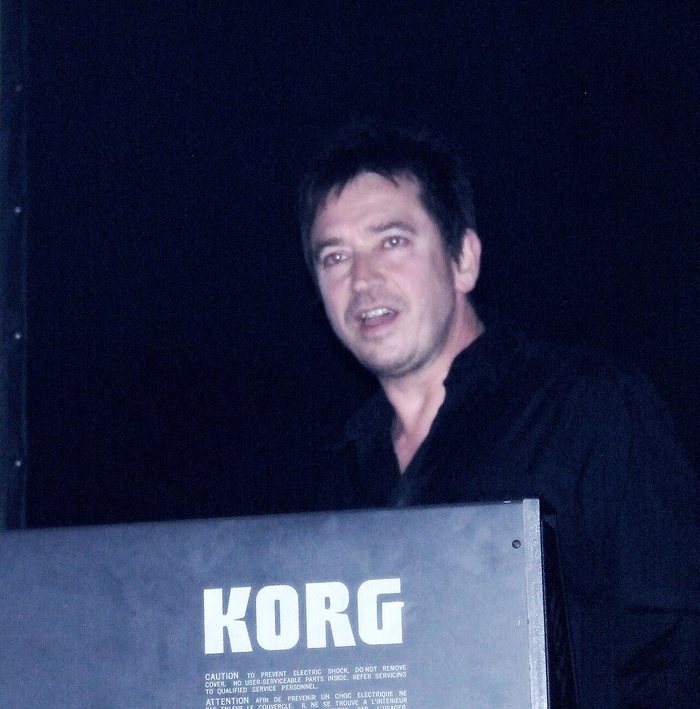 Alan Wilder. · Photo: monophonicgirl · CC BY-SA 2.0, Wikimedia Commons
Alan Wilder
Joined after Clarke left and brought arrangement and production skills that shaped the albums from Some Great Reward to Songs of Faith and Devotion.
Vince Clarke
The founding songwriter. He wrote the first hits, left after Speak & Spell, and went on to form Yazoo and Erasure.
Albums in order
| Year | Album | In a sentence |
|---|---|---|
| 1981 | Speak & Spell | Bright synth-pop debut, mostly written by Vince Clarke. |
| 1982 | A Broken Frame | Martin Gore’s first album as main songwriter. |
| 1983 | Construction Time Again | More industrial sounds and a more political edge. |
| 1984 | Some Great Reward | The sound gets darker, with Master and Servant and People Are People. |
| 1986 | Black Celebration | Slow, moody and confident: the template for the classic sound. |
| 1987 | Music for the Masses | Stadium-sized synth rock, including Never Let Me Down Again. |
| 1990 | Violator | The breakthrough, with Personal Jesus and Enjoy the Silence. |
| 1993 | Songs of Faith and Devotion | Heavier, with live drums and guitars; number one in the UK and US. |
| 1997 | Ultra | The comeback after the mid-1990s crisis. |
| 2001 | Exciter | A quieter, more electronic record. |
| 2005 | Playing the Angel | A return to darker, harder synths. |
| 2009 | Sounds of the Universe | Analogue synths and an old-school feel. |
| 2013 | Delta Machine | Bluesy and electronic at once. |
| 2017 | Spirit | A more openly political album. |
| 2023 | Memento Mori | The first album as a duo, after Fletcher’s death. |
12 songs that tell the story
Just Can’t Get Enough
Vince Clarke’s catchy last hit with the group, and a bright UK Top 10 single.
Everything Counts
A song about greed, and a crowd favourite that audiences often sing the final chorus of on their own.
People Are People
A plea for tolerance that became their first major hit in the United States.
Master and Servant
A song about power in relationships, built from industrial clanks and metallic percussion.
Stripped
A slow, industrial-flavoured track about stripping away pressure and noise.
Never Let Me Down Again
The song for which fans wave their arms in unison at stadium shows.
Personal Jesus
A stomping blues-electronic song about faith and devotion, later covered by Johnny Cash.
Enjoy the Silence
Martin Gore first wrote it as a ballad; the band rebuilt it into the electronic classic.
I Feel You
A heavy, guitar-driven opener that showed a new, rockier side of the band.
It’s No Good
The comeback single, a smouldering electronic song after the band’s hardest years.
Precious
A reflective lead single from one of their strongest late albums.
Ghosts Again
The first single of the duo era, a calmer song about time and loss.
Things you may not know
The band took its name from a French fashion magazine, Dépêche Mode.
The story goes that Vince Clarke asked Dave Gahan to join after hearing him sing David Bowie’s “Heroes”.
The band’s 1988 concert at the Rose Bowl in California was filmed for the documentary 101.
Johnny Cash recorded a famous cover of Personal Jesus for his 2002 album American IV.
Photographer and director Anton Corbijn has designed much of the band’s imagery for decades, including the big M of Memento Mori.
Depeche Mode were inducted into the Rock and Roll Hall of Fame in 2020.
Vince Clarke, who left after the first album, went on to form Yazoo and Erasure.
At concerts, fans wave their arms along with Never Let Me Down Again.
Songs of Faith and Devotion (1993) was number one in both the UK and the US.
After Andy Fletcher’s death, Gahan and Gore have continued as a duo.
Where to start
Start with Violator, then Black Celebration. Play both from start to finish.
Try Speak & Spell and Some Great Reward for the earlier, brighter sound.
Songs of Faith and Devotion has live drums and guitars.
Go to Playing the Angel and Memento Mori.
Frequently asked questions
Who are the members of Depeche Mode?
The core members are Dave Gahan (vocals), Martin Gore (keyboards, guitar, songwriting) and Andy Fletcher (keyboards, 1980–2022). Founding member Vince Clarke left in 1981, and Alan Wilder was a member from 1982 to 1995.
Where does the name Depeche Mode come from?
It comes from a French fashion magazine called Dépêche Mode, which means roughly “fashion news”.
What is Depeche Mode’s best-known album?
Violator (1990), with Personal Jesus, Enjoy the Silence and Policy of Truth, is the most famous album.
How many studio albums have they made?
Fifteen, from Speak & Spell (1981) to Memento Mori (2023).
Who writes Depeche Mode’s songs?
Martin Gore has written most of the songs since 1981. Vince Clarke wrote the early hits on Speak & Spell.
Is Depeche Mode still together?
Yes. After Andy Fletcher died in 2022, Dave Gahan and Martin Gore have continued as a duo and released Memento Mori in 2023.
Why did Vince Clarke leave?
He left in 1981 after the first album, reportedly because he did not want to continue touring and promotion, and went on to form Yazoo and Erasure.
Where can I listen to Depeche Mode online?
You can listen to a continuous Depeche Mode station on Kalisha Radio, on your phone, tablet or computer, with nothing to install.
Where is Depeche Mode from?
They formed in Basildon, Essex, England, in 1980.
What does Depeche Mode mean?
The name comes from a French fashion magazine called Dépêche Mode, which means "fashion dispatch" or "fashion news".
What was Depeche Mode's first album?
Speak & Spell, released in 1981.
Which genre is Depeche Mode?
Synth-pop and electronic rock; over the years the band moved towards a darker alternative sound.
More from Kalisha

Enjoyed this? The app is free to start.
Works on iPhone and Android — nothing to install