ABBA: History, Members, Albums and Best Songs
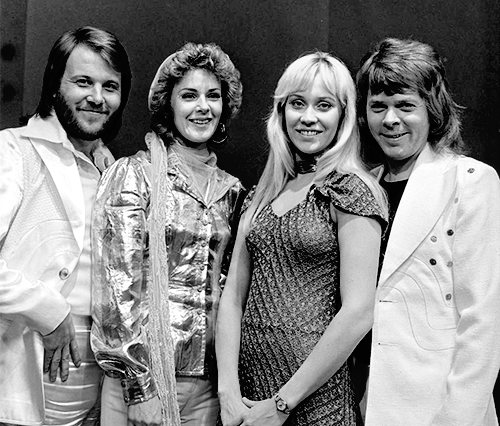
ABBA were two couples from Stockholm who, in the 1970s, turned pop songwriting into something close to a science. They won Eurovision in 1974, filled the charts around the world for the rest of the decade, and have sold an estimated 150 million records or more. Then, after forty years of silence, they came back with a new album and a concert show starring digital versions of themselves. This page is the plain-English guide: who they are, what they made, and where to begin.
Listen to ABBA now
Kalisha has a dedicated ABBA station called Exclusively ABBA: one continuous channel with the group’s songs, free to start, with nothing to install. It is one of the 312 exclusive single-artist channels in the app.
The short version
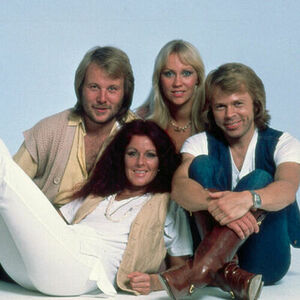
ABBA were a Swedish pop group made up of Agnetha Fältskog, Björn Ulvaeus, Benny Andersson and Anni-Frid Lyngstad. Björn and Benny wrote and produced nearly everything; Agnetha and Frida sang the leads and harmonies that made the records instantly recognisable. Their sound mixed folk melodies, glam-pop stomp and, later, disco, all polished in a Stockholm studio until it shone.
They became famous overnight when they won the Eurovision Song Contest in 1974 with Waterloo, and unlike most Eurovision winners they kept going: Mamma Mia, Fernando, Dancing Queen, Take a Chance on Me and The Winner Takes It All followed. The group stopped working together in 1982 without ever formally splitting, and their songs lived on in musicals, films and endless playlists.
The story in 5 chapters
Two couples and a lucky name
Björn Ulvaeus and Benny Andersson met in 1966 while both were already known on the Swedish pop scene, one from a folk group, the other from a beat band. Agnetha Fältskog had her first Swedish solo hit at eighteen, and Anni-Frid Lyngstad won a national talent contest in 1969. By the early 1970s the four were two couples: Björn and Agnetha married in 1971, and Benny and Frida later in 1978.
They began recording together, first under their own names and then as ABBA, a word made from the initials of the four first names. It also happened to be the name of a Swedish fish-canning company, which they asked for permission to use. Their debut album, Ring Ring (1973), came with a song that just missed representing Sweden at Eurovision that year.
Waterloo, and then the world
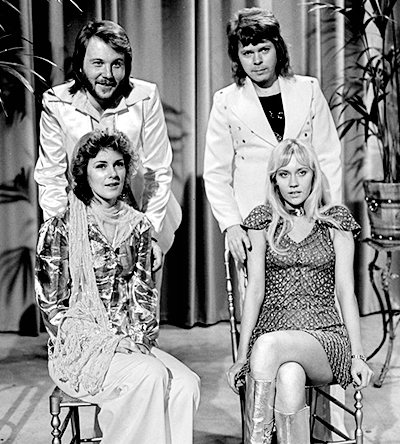
On 6 April 1974, in Brighton, ABBA won Eurovision with Waterloo, the first win for Sweden. Winners of the contest usually vanish quickly, but the next hits made it clear this was a real band: SOS and Mamma Mia in 1975, then Fernando.
Arrival (1976) was the breakthrough album, led by Dancing Queen, a UK number one that later became their only number one in the United States.
The peak years
In 1977 ABBA toured Europe and Australia, where fans waited in crowds that were compared to Beatlemania, and released both a film, ABBA: The Movie, and a new album, The Album. In 1978 they opened their own recording studio, Polar Studios, in Stockholm.
Voulez-Vous (1979) pushed their sound toward disco. That same year they performed at a UNICEF concert at the United Nations and donated the royalties of the single Chiquitita to the charity.
Songs about endings
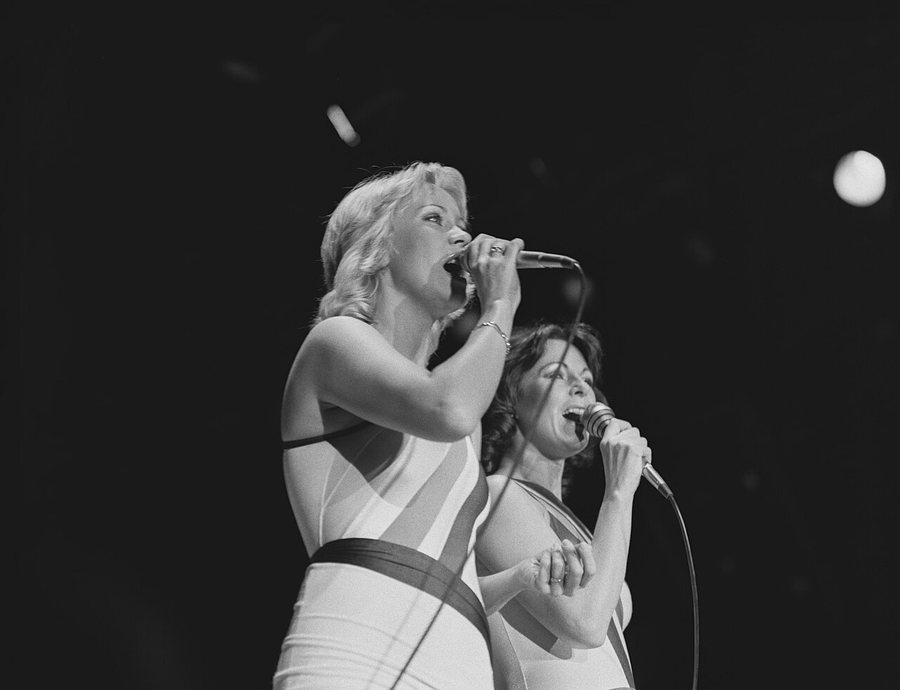
Both marriages ended: Björn and Agnetha divorced in 1980, Benny and Frida in 1981. The music got more serious. Super Trouper (1980) contained The Winner Takes It All, while The Visitors (1981) was darker and more grown-up, and was among the first albums ever pressed on CD.
The last recording sessions came in 1982. The group made its last television appearance that December and went on a break that, officially, has never ended.
The long silence, the musical and the comeback
Björn and Benny moved on to theatre, writing the musical Chess in the 1980s. In 1999 came Mamma Mia!, a stage musical built from ABBA songs, followed by a film in 2008 that grossed more than $600 million worldwide.
ABBA entered the Rock and Roll Hall of Fame in 2010. In November 2021 they released Voyage, their first album in 40 years, and in 2022 opened ABBA Voyage, a London concert in which digital versions of the four members, created from motion capture, perform with a live band.

Band members
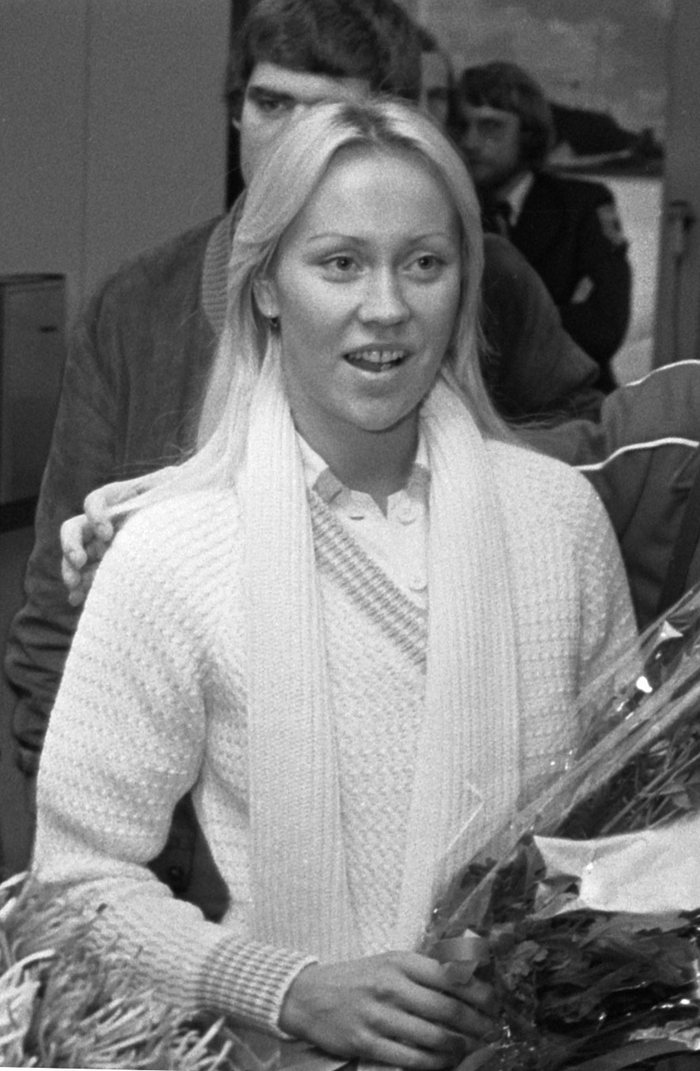 Agnetha Fältskog in 1976. · Photo: Bert Verhoeff for Anefo · CC0, Wikimedia Commons
Agnetha Fältskog
A solo star in Sweden by the age of eighteen. Her clear soprano is the voice on many of the group’s biggest ballads, including The Winner Takes It All.
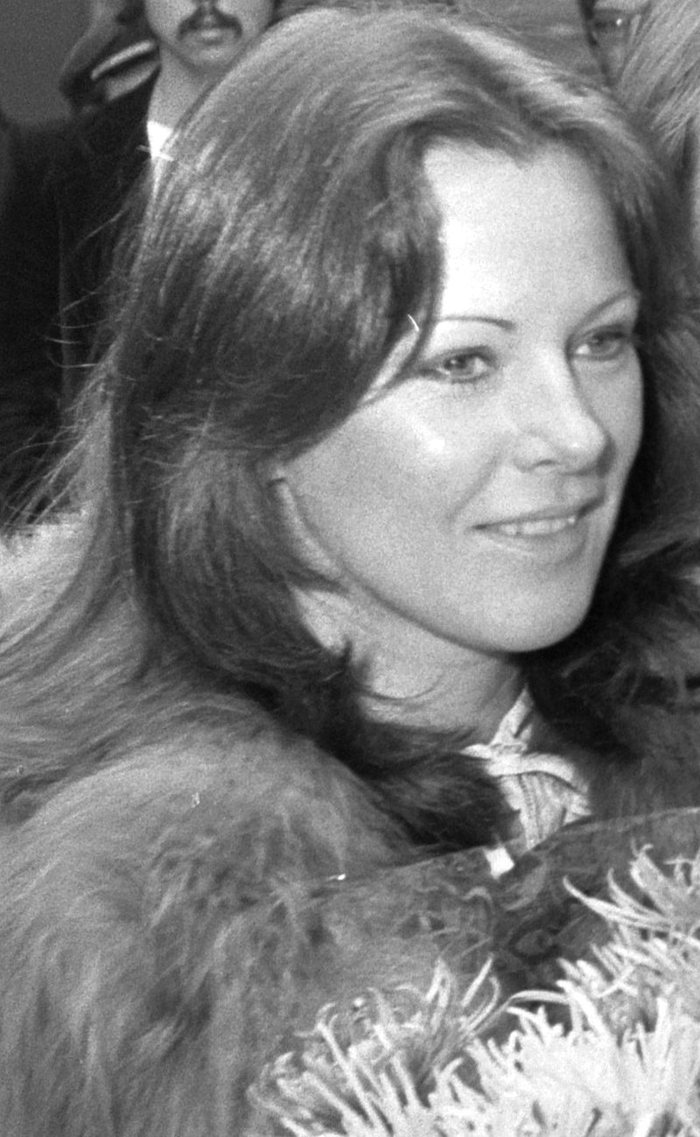 Anni-Frid Lyngstad in 1976. · Photo: Bert Verhoeff for Anefo · CC0, Wikimedia Commons
Anni-Frid “Frida” Lyngstad
Born in Norway and raised in Sweden, Frida brought a deeper, warmer voice to the group. She sings lead on songs such as Fernando.
 Björn Ulvaeus in Stockholm. · Photo: Anders Hesselbom · public domain, Wikimedia Commons
Björn Ulvaeus
Wrote most of the lyrics, in English. Co-wrote nearly every ABBA song with Benny and later helped create the Mamma Mia! musical.
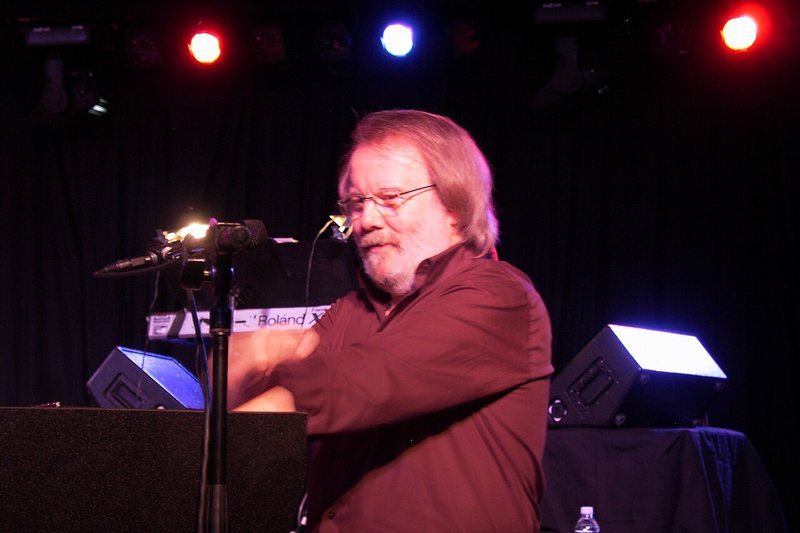 Benny Andersson on stage, 2006. · Photo: abbamouse · CC BY-SA 2.0, Wikimedia Commons
Benny Andersson
The musical architect of the group. His piano and keyboard arrangements, built from Swedish folk melodies and pop, are a big part of the ABBA sound.
Albums in order
| Year | Album | In a sentence |
|---|---|---|
| 1973 | Ring Ring | The debut, built around a song that just missed Eurovision. |
| 1974 | Waterloo | Includes the Eurovision-winning title track. |
| 1975 | ABBA | Home of SOS and Mamma Mia; the moment the sound clicked. |
| 1976 | Arrival | The breakthrough, with Dancing Queen and Money, Money, Money. |
| 1977 | The Album | Companion to the film, including Take a Chance on Me. |
| 1979 | Voulez-Vous | Their disco record, with Does Your Mother Know and Gimme! Gimme! Gimme! |
| 1980 | Super Trouper | Features The Winner Takes It All and the title track. |
| 1981 | The Visitors | Darker, more serious, and recorded digitally. |
| 2021 | Voyage | The comeback album, released forty years later. |
12 songs that tell the story
Waterloo
The Eurovision winner: a glam-flavoured stomp that uses Napoleon’s defeat as a metaphor for giving in to love.
SOS
A dramatic, piano-led song that is often named by other musicians as one of the group’s best.
Mamma Mia
A playful pop single that went to number one in the UK and gave the later musical its name.
Fernando
Frida’s lead vocal, a song about two old soldiers remembering a war, and a UK number one.
Dancing Queen
The signature song: a UK number one that was first performed on TV for a royal wedding celebration in Sweden.
Knowing Me, Knowing You
A bittersweet song about a relationship ending, and another UK number one.
Take a Chance on Me
Built on a stuttering vocal rhythm that Björn has said came to him while jogging.
Gimme! Gimme! Gimme!
A night-time disco song whose riff was sampled by Madonna in 2005.
Chiquitita
A song of comfort whose royalties were donated to UNICEF.
The Winner Takes It All
A ballad written as the marriages were ending, though the songwriter says it is not a literal story.
Super Trouper
Named after a type of stage spotlight, and written about life on the road.
I Still Have Faith in You
The comeback single, a reflection on friendship and time after four decades.
Things you may not know
A, B, B and A. From 1976 the first B in the band’s logo was printed mirrored.
Waterloo won the 1974 contest, and in 2005 it was voted the best song in the contest’s fifty-year history.
In 1979 the group donated the royalties of Chiquitita to UNICEF after performing at a charity concert at the United Nations.
The Visitors (1981) was among the first albums ever pressed on a compact disc.
After 1982 the group simply stopped working together. They have never announced a break-up.
ABBA The Museum opened on the island of Djurgården in 2013 and includes a replica of a recording studio.
The 2008 film Mamma Mia! became one of the biggest musical films of its time.
ABBA Voyage uses digital versions of the band, built from motion-capture work by the film effects company Industrial Light & Magic.
Björn and Benny wrote in English from the start, which is a big reason the songs travelled so far.
Voyage (2021) came out four decades after The Visitors.
Where to start
Start with the compilation ABBA Gold, then move on to Arrival for the context.
Arrival and Super Trouper work best from start to finish.
Try Voulez-Vous, especially Gimme! Gimme! Gimme! and Does Your Mother Know.
The Visitors is the group at its most serious and complex.
Voyage (2021) is the newest album, with I Still Have Faith in You.
Frequently asked questions
Who are the members of ABBA?
ABBA are Agnetha Fältskog, Björn Ulvaeus, Benny Andersson and Anni-Frid “Frida” Lyngstad.
What does ABBA stand for?
The name is made from the first letters of the four members’ first names: Agnetha, Björn, Benny and Anni-Frid.
Did ABBA win Eurovision?
Yes. They won the 1974 Eurovision Song Contest in Brighton with “Waterloo”, which was Sweden’s first win.
How many studio albums did ABBA make?
Nine: eight between 1973 and 1981, plus Voyage in 2021.
Why did ABBA break up?
They never officially broke up. After the two couples divorced in 1980 and 1981, the group made its last recordings in 1982 and stopped working together.
Is ABBA still together?
The four members reunited to record Voyage, released in 2021, and the group is involved in the ABBA Voyage concert show in London.
What is ABBA’s biggest song?
Dancing Queen is usually named as the signature song. It was a UK number one and their only number one in the United States.
Where can I listen to ABBA online?
You can listen to a continuous ABBA station on Kalisha Radio, on your phone, tablet or computer, with nothing to install.
Where is ABBA from?
The band is from Stockholm, Sweden, where it was formed in 1972.
How did ABBA start?
Björn Ulvaeus and Benny Andersson met in 1966, and the four members later began recording together, first under their own names and then as ABBA.
How did ABBA get famous?
They won the Eurovision Song Contest in 1974 with Waterloo, and hits such as SOS, Mamma Mia and Fernando followed.
Who sang lead in ABBA?
Agnetha Fältskog and Anni-Frid Lyngstad sang the leads and harmonies, and Frida sang lead on Fernando.
More from Kalisha

Enjoyed this? The app is free to start.
Works on iPhone and Android — nothing to install