Creedence Clearwater Revival: History, Members, Albums and Best Songs
Creedence Clearwater Revival, usually called CCR, were a rock band from the San Francisco Bay Area. Between 1968 and 1972 they released seven albums and a run of short, punchy singles about rivers, rain and bad moons that still sound fresh on the radio. This page is the plain-English guide: who they were, what they made, and where to begin.
Listen to Creedence Clearwater Revival now
Kalisha has a dedicated Creedence Clearwater Revival station called Exclusively Creedence Clearwater Revival: one continuous channel with the band’s songs and the music it inspired, free to start, with nothing to install. It is one of the 312 exclusive single-artist channels in the app.
The short version
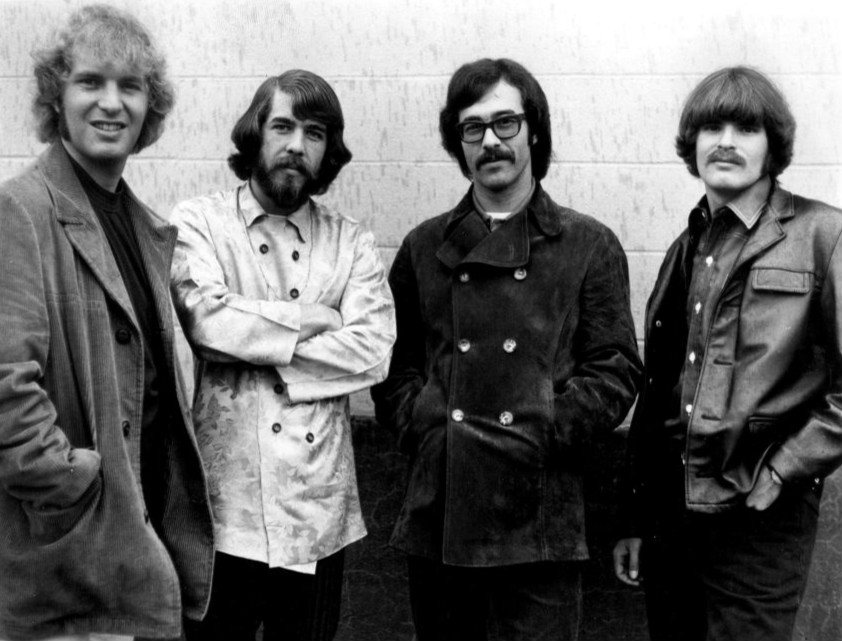
CCR were four friends from El Cerrito, California: brothers John and Tom Fogerty, bassist Stu Cook and drummer Doug Clifford. After years as a local band under other names, they became Creedence Clearwater Revival in 1968 and had their first hit with Susie Q.
Over the next three years they put out song after song that became a classic, including Proud Mary, Bad Moon Rising, Fortunate Son and Have You Ever Seen the Rain. They also played at Woodstock in 1969. The group broke up in 1972, but their songs have never left the radio.
The story in 5 chapters
From the Blue Velvets to CCR
John Fogerty, Stu Cook and Doug Clifford played together from their school days in the late 1950s, first as the Blue Velvets and then as the Golliwogs, joined by John’s older brother Tom. The group made records that did not sell.
In 1968 they chose a new name, Creedence Clearwater Revival, and signed to Fantasy Records. Their first album, Creedence Clearwater Revival (1968), included a long cover of Susie Q, which reached the US top 15.
A year of hits
Bayou Country (January 1969) brought Proud Mary, a song about a riverboat that later became a hit again for Ike and Tina Turner. Green River (August) had Bad Moon Rising and the title song, and Willy and the Poor Boys (November) brought Down on the Corner and Fortunate Son.
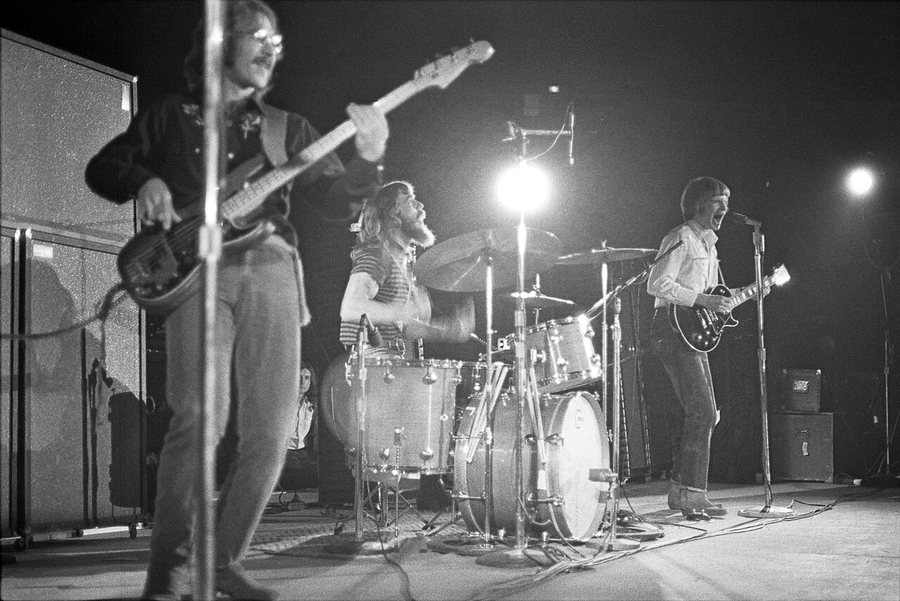
That summer they played at the Woodstock festival. All three of the year’s albums are still considered key records of American rock.
Cosmo’s Factory and Pendulum
Cosmo’s Factory (July 1970), named after the band’s rehearsal space, was their best-selling studio album and included Travelin’ Band, Lookin’ Out My Back Door and Up Around the Bend. It also had a long version of the soul song I Heard It Through the Grapevine.
Pendulum (December 1970) added keyboards and brought Have You Ever Seen the Rain. By then John Fogerty was writing, singing, arranging and producing nearly everything, and tension with the others was growing.
Break-up
Tom Fogerty left in 1971. The three remaining members made Mardi Gras (1972), where each of them sang and wrote some songs. It sold well at first but was not liked by critics, and the band officially ended in October 1972.
Legacy and disputes
CCR were inducted into the Rock and Roll Hall of Fame in 1993. John Fogerty spent years in disputes with Fantasy Records over money and the rights to his songs, and has said he did not play them for a long time for that reason. In 2023 he took control of a majority stake in the rights.
Stu Cook and Doug Clifford later toured as Creedence Clearwater Revisited, and John Fogerty continues to play the songs live. Tom Fogerty died in 1990.
Band members
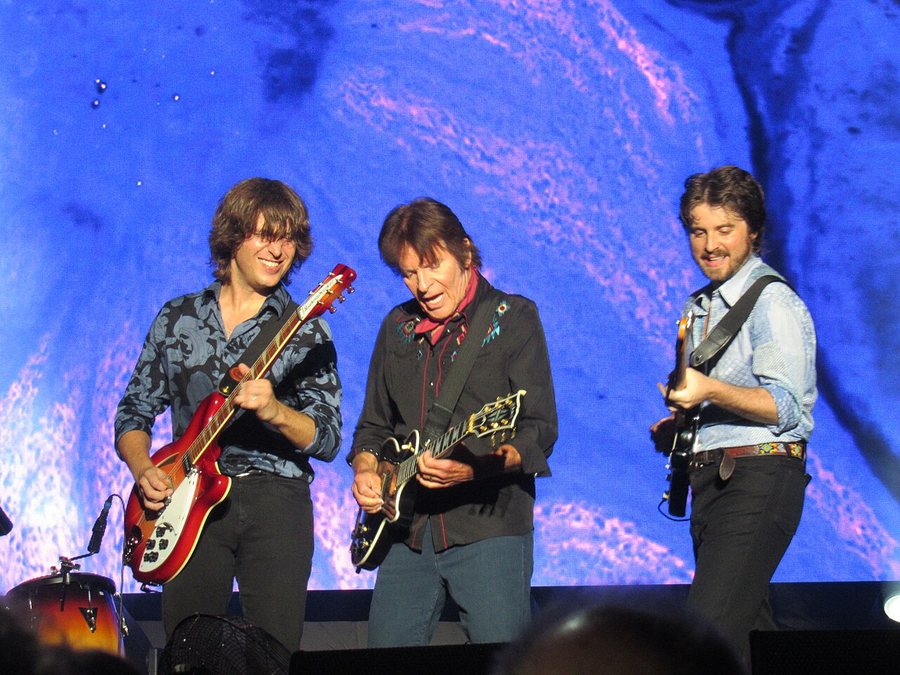
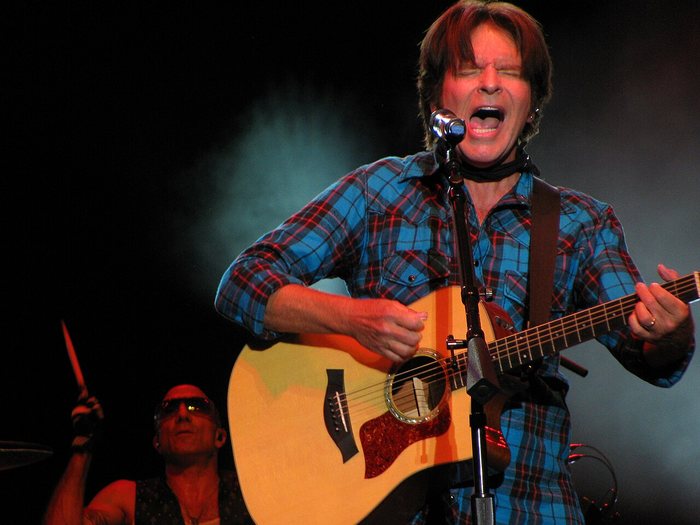 John Fogerty at the 2011 Ottawa Bluesfest. · Photo: ceedub13 · CC BY 2.0, Wikimedia Commons
John Fogerty
The singer, songwriter and producer of nearly all the band’s hits. His raspy, powerful voice and straight-to-the-point writing defined CCR’s sound.
Tom Fogerty
John’s older brother and a founder of the group. He left after the Pendulum sessions and made solo records until his death in 1990.
Stu Cook
The bass player, who with Doug Clifford later formed Creedence Clearwater Revisited.
Doug Clifford
The drummer whose steady, no-frills playing powered the singles.
Albums in order
| Year | Album | In a sentence |
|---|---|---|
| 1968 | Creedence Clearwater Revival | The debut, with Susie Q. |
| 1969 | Bayou Country | Includes Proud Mary and Born on the Bayou. |
| 1969 | Green River | Includes Bad Moon Rising and Green River. |
| 1969 | Willy and the Poor Boys | Includes Down on the Corner and Fortunate Son. |
| 1970 | Cosmo’s Factory | Their biggest studio album, with Travelin’ Band and Up Around the Bend. |
| 1970 | Pendulum | Includes Have You Ever Seen the Rain. |
| 1972 | Mardi Gras | The last album, made by the trio. |
12 songs that tell the story
Susie Q
A cover of a 1950s rockabilly song, stretched into a long jam.
Proud Mary
A riverboat song that is among the most covered songs in rock.
Born on the Bayou
A swampy, slow-burning rocker about growing up in the South.
Bad Moon Rising
A cheerful tune with a worried lyric; number one in the UK.
Green River
A bright song about summer days by the water.
Down on the Corner
A playful story about a street band.
Fortunate Son
A protest song with a roaring riff, aimed at those who dodge the draft.
Travelin’ Band
A fast rock and roll single.
Up Around the Bend
A catchy song with a bright guitar riff.
Lookin’ Out My Back Door
A happy, country-flavoured song.
Who’ll Stop the Rain
A thoughtful single released at the end of the year.
Have You Ever Seen the Rain
A gentle, wistful song about changing times.
Things you may not know
CCR had five singles that reached number two on the US Hot 100 but never a number one.
They had 14 consecutive top-ten singles between 1969 and 1971.
The band was from California, not Louisiana, but wrote songs full of swamp and river images.
The band’s name came from a friend named Credence, a clear-water beer advert and a wish for a new start.
They played at Woodstock in August 1969.
John Fogerty wrote, arranged and produced almost everything on the albums.
Proud Mary was written by John Fogerty and was also a hit for Ike and Tina Turner.
The 1970 album was named after the band’s rehearsal space and after drummer Doug Clifford’s nickname, Cosmo.
CCR were inducted into the Rock and Roll Hall of Fame in 1993.
The compilation Chronicle (1976) is certified 12 times platinum in the US.
Where to start
Start with the compilation Chronicle or the album Cosmo’s Factory (1970).
Try Born on the Bayou and Proud Mary.
Play Fortunate Son and Who’ll Stop the Rain.
Go to Have You Ever Seen the Rain and Green River.
Frequently asked questions
Who is the singer of Creedence Clearwater Revival?
John Fogerty, who also wrote nearly all of the band’s songs.
Where are Creedence from?
El Cerrito, California, in the San Francisco Bay Area, even though their songs often sound like the American South.
What is CCR’s biggest hit?
Proud Mary, Bad Moon Rising and Have You Ever Seen the Rain are among the best known; Bad Moon Rising reached number one in the UK.
Did CCR ever have a number one in the US?
No. They had five songs that reached number two on the Billboard Hot 100 but none that reached number one.
Why did Creedence Clearwater Revival split up?
Tom Fogerty left in 1971 and tension grew over who controlled the songs; the band officially broke up in 1972.
Did CCR play at Woodstock?
Yes, in August 1969.
How many studio albums did CCR make?
Seven, from Creedence Clearwater Revival (1968) to Mardi Gras (1972).
Where can I listen to Creedence Clearwater Revival online?
You can listen to a continuous Creedence Clearwater Revival station on Kalisha Radio, on your phone, tablet or computer, with nothing to install.
Who was the drummer of Creedence Clearwater Revival?
The drummer was Doug Clifford, whose steady, no-frills playing powered the singles.
Who was in Creedence Clearwater Revival?
The members were brothers John and Tom Fogerty, bassist Stu Cook and drummer Doug Clifford.
What was Creedence Clearwater Revival's original name?
Before 1968 the band played as the Blue Velvets and then as the Golliwogs.
How did Creedence Clearwater Revival get their name?
The name came from a friend named Credence, a clear-water beer advert and a wish for a new start.
What genre was Creedence Clearwater Revival?
They played swamp rock, roots rock and rock.
More from Kalisha

Enjoyed this? The app is free to start.
Works on iPhone and Android — nothing to install