Fleetwood Mac: History, Members, Albums and Best Songs
Fleetwood Mac are a British-American rock band who began as a blues group in London in 1967 and became one of the biggest pop-rock bands in the world in the late 1970s. Their 1977 album Rumours is one of the best-selling albums of all time, and the band has sold more than 120 million records. This page is the plain-English guide: who they are, what they made, and where to begin.
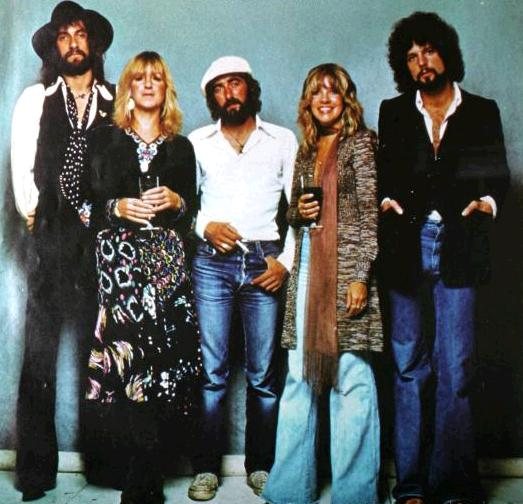
Listen to Fleetwood Mac now
Kalisha has a dedicated Fleetwood Mac station called Exclusively Fleetwood Mac: one continuous channel with their songs, free to start, with nothing to install. It is one of the 312 exclusive single-artist channels in the app.
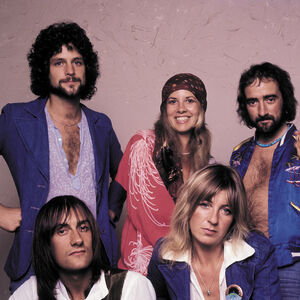
The short version
Fleetwood Mac began in London in 1967, founded by guitarist Peter Green with drummer Mick Fleetwood and bassist John McVie. In their early years they played blues, and had a UK number one with the instrumental Albatross in 1968.
In 1975 Lindsey Buckingham and Stevie Nicks joined Mick Fleetwood, John McVie and Christine McVie, and the band became a pop-rock giant. Rumours (1977) won the Grammy for Album of the Year and has sold tens of millions of copies. The band has changed line-ups many times since.
The story in 5 chapters
The blues years
Peter Green left John Mayall’s Bluesbreakers in 1967 and formed a band with drummer Mick Fleetwood and bassist John McVie, who gave the group its name. Their first album, Fleetwood Mac, came out in 1968.
Albatross was a UK number one in 1968, and Oh Well and Man of the World followed. Christine McVie joined in 1970, the year Green left the band.
Changing line-ups
After Green left in 1970, the band carried on with several guitarists and singers. Bob Welch joined in 1971 and stayed until 1974. They released albums such as Kiln House, Future Games, Bare Trees and Heroes Are Hard to Find, and moved to California.
Buckingham, Nicks and Rumours
Lindsey Buckingham and Stevie Nicks joined on New Year’s Eve 1974. The band’s self-titled album Fleetwood Mac (1975) included Rhiannon, Over My Head and Say You Love Me.
Rumours (February 1977) was written while several members were going through break-ups, and it became one of the best-selling albums ever, with songs such as Dreams, Go Your Own Way and The Chain. It won the Grammy for Album of the Year. Tusk (1979) was an experimental double album.
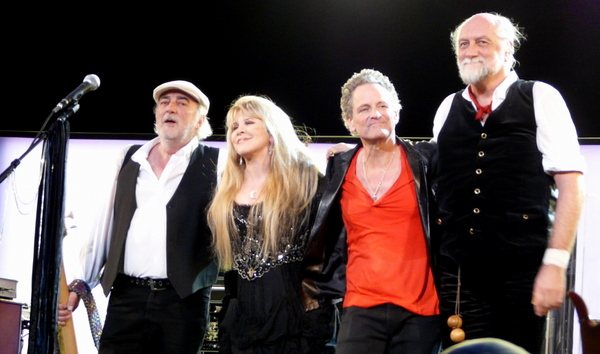
Mirage, Tango and changes
Mirage (1982) and Tango in the Night (1987) brought more hits, including Little Lies and Everywhere. Buckingham left in 1987 and was replaced by Billy Burnette and Rick Vito, and Nicks left in 1991. Christine McVie left in 1998.
In 1997 the five-piece classic line-up reunited for the live album The Dance, and in 1998 the band was inducted into the Rock and Roll Hall of Fame.
Reunions and farewells
Say You Will (2003) was the last studio album. Christine McVie rejoined in 2014. In 2018 Buckingham left the band and was replaced by Mike Campbell and Neil Finn.
Christine McVie died in November 2022.
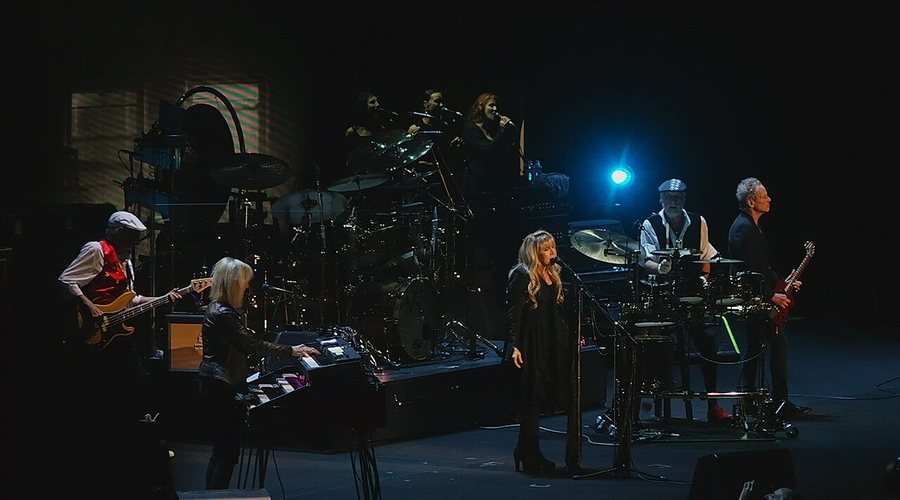
Band members
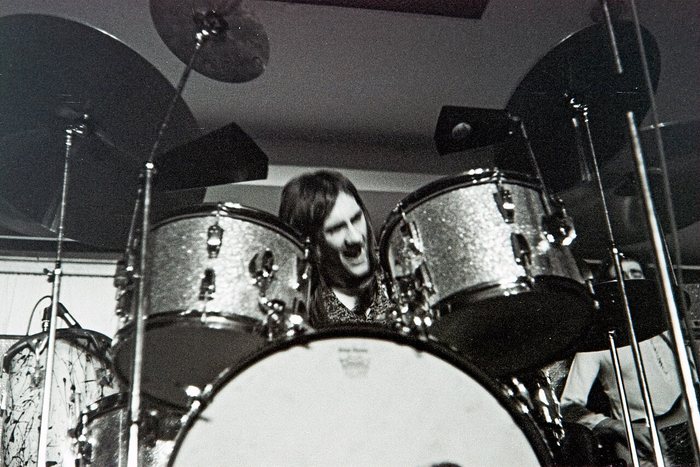 Mick Fleetwood playing in Hannover, 1970. · Photo: W.W.Thaler - H. Weber, Hildesheim · CC BY-SA 3.0, Wikimedia Commons
Mick Fleetwood
The band’s co-founder and the one member who has stayed throughout every line-up. The band is named partly after him.
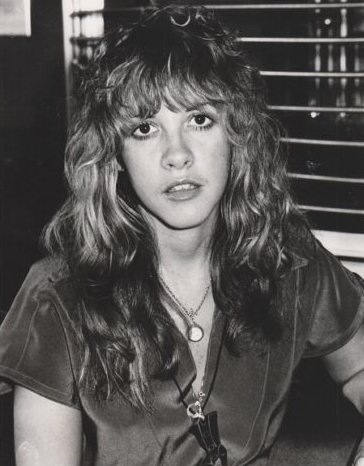 Stevie Nicks, photographed in the 1970s. · Photo: David Wainwright · public domain, Wikimedia Commons
Stevie Nicks
The singer and songwriter behind Rhiannon, Dreams and Landslide, with a shawl-and-boots stage style all her own.
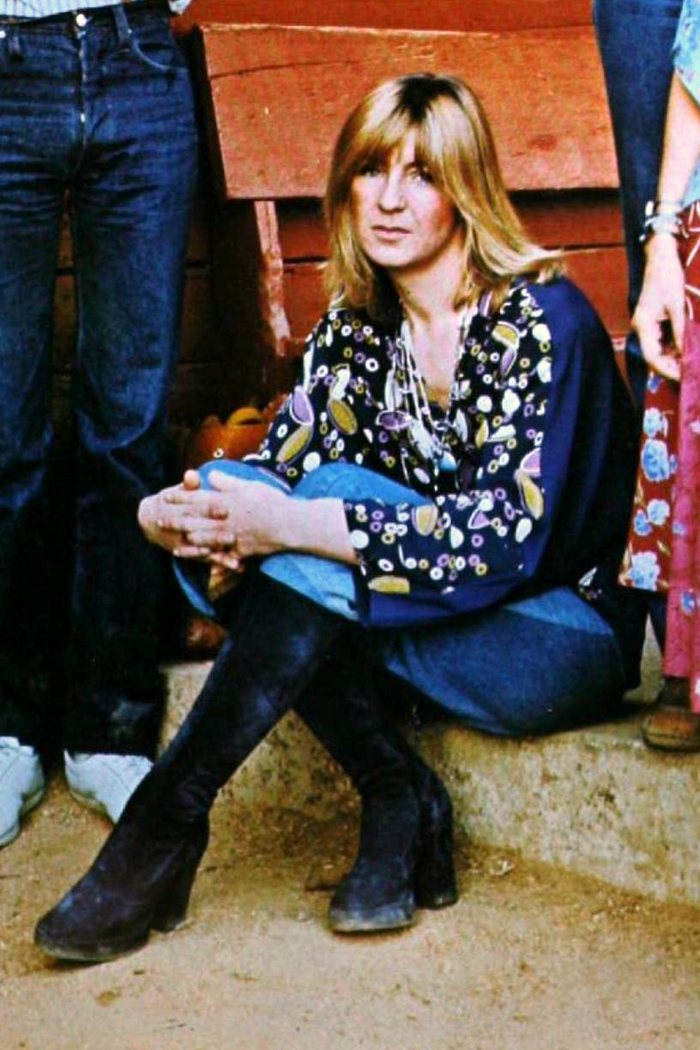 Christine McVie, from a 1977 advertisement. · Photo: Warner Bros. Records · public domain, Wikimedia Commons
Christine McVie
The singer and keyboard player who wrote Don’t Stop, Everywhere and You Make Loving Fun.
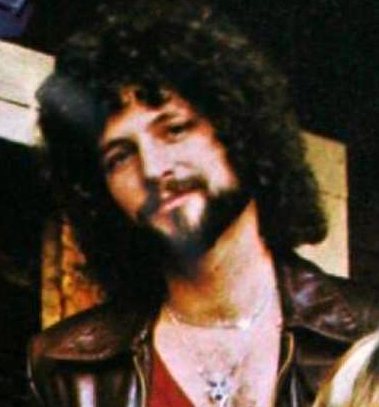 Lindsey Buckingham, from a 1977 advertisement. · Photo: Warner Bros. Records · public domain, Wikimedia Commons
Lindsey Buckingham
The guitarist and producer behind the band’s studio sound, who wrote Go Your Own Way and Tusk.
John McVie
The bassist who gave the band the “Mac” in its name and, with Mick Fleetwood, forms its rhythm section.
Albums in order
| Year | Album | In a sentence |
|---|---|---|
| 1968 | Fleetwood Mac | The blues debut, also called Peter Green’s Fleetwood Mac. |
| 1968 | Mr. Wonderful | A second blues album. |
| 1969 | Then Play On | Includes Oh Well. |
| 1970 | Kiln House | The first album after Peter Green left. |
| 1971 | Future Games | The first with Bob Welch. |
| 1972 | Bare Trees | Includes Spare Me a Little of Your Love. |
| 1973 | Penguin | A softer, rootsy record. |
| 1973 | Mystery to Me | Includes Hypnotized. |
| 1974 | Heroes Are Hard to Find | The last album before Buckingham and Nicks. |
| 1975 | Fleetwood Mac | The breakthrough, with Rhiannon and Landslide. |
| 1977 | Rumours | The band’s masterpiece. |
| 1979 | Tusk | An experimental double album. |
| 1982 | Mirage | A return to a more polished sound, with Gypsy. |
| 1987 | Tango in the Night | Includes Little Lies and Everywhere. |
| 1990 | Behind the Mask | The first without Buckingham. |
| 1995 | Time | A later-career album. |
| 2003 | Say You Will | The last studio album to date. |
12 songs that tell the story
Albatross
A calm, floating instrumental that reached number one in the UK.
Black Magic Woman
A blues song written by Peter Green, later a hit for Santana.
Oh Well
A heavy blues-rock single.
Rhiannon
A mysterious song sung by Stevie Nicks.
Landslide
A gentle acoustic ballad by Stevie Nicks.
Go Your Own Way
A driving, guitar-led hit by Lindsey Buckingham.
Dreams
The band’s only US number one.
Don’t Stop
An upbeat song by Christine McVie.
The Chain
Known for its famous bass line.
Tusk
A drum-heavy hit, recorded with a marching band.
Gypsy
A dreamy song by Stevie Nicks.
Little Lies
A smooth Christine McVie pop hit.
Things you may not know
The band is named after Mick Fleetwood and John McVie.
Rumours has sold an estimated 40 million copies worldwide.
Rumours won the Grammy for Album of the Year.
Rumours was written while band members were splitting up with their partners.
Albatross topped the UK charts in 1968.
The band was inducted into the Rock and Roll Hall of Fame in 1998.
Fleetwood Mac have sold more than 120 million records.
The Chain is known for John McVie’s bass line.
Mike Campbell of the Heartbreakers and Neil Finn of Crowded House joined in 2018.
Mick Fleetwood and the McVies have been in the band since its early days.
Where to start
Start with Rumours (1977) and Fleetwood Mac (1975).
Play Dreams, Landslide and Everywhere.
Try Albatross, Black Magic Woman and Oh Well.
Go to Tusk (1979).
Frequently asked questions
Who is in Fleetwood Mac?
The best-known line-up is Mick Fleetwood, John McVie, Christine McVie, Stevie Nicks and Lindsey Buckingham.
What is Fleetwood Mac’s best-known album?
Rumours (1977), one of the best-selling albums of all time.
Why is the band called Fleetwood Mac?
It combines the names of drummer Mick Fleetwood and bassist John McVie.
Who founded Fleetwood Mac?
Peter Green, Mick Fleetwood and John McVie, in London in 1967.
Who sings Dreams?
Stevie Nicks, on the 1977 album Rumours.
When did Christine McVie die?
In November 2022.
How many albums has Fleetwood Mac made?
Seventeen studio albums, from 1968 to 2003.
Where can I listen to Fleetwood Mac online?
You can listen to a continuous Fleetwood Mac station on Kalisha Radio, on your phone, tablet or computer, with nothing to install.
Where is Fleetwood Mac from?
Fleetwood Mac is a British-American rock band that formed in London, England, in 1967 as a blues group.
Who was Fleetwood Mac's drummer?
Mick Fleetwood, the band's co-founder, played drums, and he is the one member who has stayed through every line-up.
Who was Fleetwood Mac's bass player?
John McVie co-founded the band with Mick Fleetwood and played bass, and together they formed its rhythm section.
Who was Fleetwood Mac's guitarist?
Lindsey Buckingham joined with Stevie Nicks on New Year's Eve 1974, and he was the guitarist and producer behind the band's studio sound.
More from Kalisha

Enjoyed this? The app is free to start.
Works on iPhone and Android — nothing to install