ABBA: History, Members, Albums and Best Songs
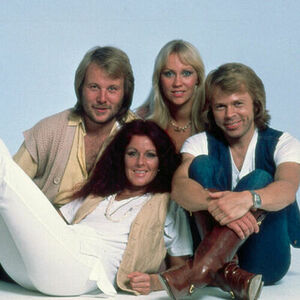
ABBA were a Swedish pop group made up of Agnetha Fältskog, Björn Ulvaeus, Benny Andersson and Anni-Frid Lyngstad. Björn and Benny wrote and produced nearly everything; Agnetha and Frida sang the leads and harmonies that made the records instantly recognisable. Their sound mixed folk melodies, glam-pop stomp and, later, disco, all polished in a Stockholm studio until it shone.
They became famous overnight when they won the Eurovision Song Contest in 1974 with Waterloo, and unlike most Eurovision winners they kept going: Mamma Mia, Fernando, Dancing Queen, Take a Chance on Me and The Winner Takes It All followed. The group stopped working together in 1982 without ever formally splitting, and their songs lived on in musicals, films and endless playlists.
Björn Ulvaeus and Benny Andersson met in 1966 while both were already known on the Swedish pop scene, one from a folk group, the other from a beat band. Agnetha Fältskog had her first Swedish solo hit at eighteen, and Anni-Frid Lyngstad won a national talent contest in 1969. By the early 1970s the four were two couples: Björn and Agnetha married in 1971, and Benny and Frida later in 1978.
They began recording together, first under their own names and then as ABBA, a word made from the initials of the four first names. It also happened to be the name of a Swedish fish-canning company, which they asked for permission to use. Their debut album, Ring Ring (1973), came with a song that just missed representing Sweden at Eurovision that year.
On 6 April 1974, in Brighton, ABBA won Eurovision with Waterloo, the first win for Sweden. Winners of the contest usually vanish quickly, but the next hits made it clear this was a real band: SOS and Mamma Mia in 1975, then Fernando.
Arrival (1976) was the breakthrough album, led by Dancing Queen, a UK number one that later became their only number one in the United States.
In 1977 ABBA toured Europe and Australia, where fans waited in crowds that were compared to Beatlemania, and released both a film, ABBA: The Movie, and a new album, The Album. In 1978 they opened their own recording studio, Polar Studios, in Stockholm.
Voulez-Vous (1979) pushed their sound toward disco. That same year they performed at a UNICEF concert at the United Nations and donated the royalties of the single Chiquitita to the charity.
The full story, the members, the albums in order, the songs that tell it and the questions people ask are on the ABBA page. To hear the music right now, open Kalisha Radio: ABBA has a dedicated station there, free, with nothing to install.
Listen to free online radio on Kalisha
Kalisha is a free online radio app with 50,000+ radio stations and 312 exclusive artist channels. Listen live on Android, in Telegram or in your browser.
— Kalisha 🎧

Enjoyed this? The app is free to start.
Works on iPhone and Android — nothing to install